Serum Formulation Causing Inflammatory Acne After Adding Zinc PCA
Question
What are the potential causes for inflammatory acne experienced by users after adding 1% Zinc PCA to an existing serum formula containing 10% Niacinamide and 5% Sodium Citrate?
Answer
Potential Causes for Inflammatory Acne
It's challenging to pinpoint the exact cause without further testing and analysis of the final product (especially pH), but here are the most likely factors based on your formula:
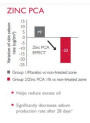
- pH Level and Zinc PCA Solubility: The description for Zinc PCA indicates it is highly soluble when the formula's pH is in the range of 4-6, and precipitation may occur at higher or lower pH levels. The optimal pH range for use is 3-7, with 4-6 being best. If the addition of Zinc PCA and the reduction in water significantly altered the pH of your original formula, it might have moved outside the optimal solubility range for Zinc PCA. Precipitated ingredients can sometimes cause irritation or not provide the intended benefits, potentially leading to breakouts.
- High Concentration of Sodium Citrate: Your formula contains 5% Sodium Citrate. This is a very high concentration for a buffering agent in a cosmetic product. High salt concentrations can potentially cause skin irritation or dryness in some individuals, which could manifest as inflammatory acne. It also strongly influences the final pH of the product.
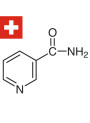
- Combination of High Niacinamide and Zinc PCA: Your original formula already contained a high concentration of Niacinamide at 10%. While Niacinamide is generally well-tolerated and beneficial for acne-prone skin, a 10% concentration can cause flushing or irritation in some sensitive individuals. Adding 1% Zinc PCA, which also targets oiliness and inflammation, might create a formula that is too potent or irritating for the testers' skin, leading to a compromised skin barrier and inflammatory response.
- Interaction Between Ingredients: The combination of ingredients, particularly the high levels of Niacinamide and Sodium Citrate, along with the added Zinc PCA, could be interacting in a way that causes instability or irritation not seen with the original formula.
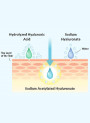
Other ingredients like Isopentyldiol, Ethoxydiglycol, Sodium Hyaluronate, Hyaluronic Acid, Phenoxyethanol (and) Triethylene Glycol, and Hydroxypropylmethylcellulose stearoxy ether are generally considered safe at the concentrations listed and are less likely to be the primary cause of inflammatory acne, unless there's a specific sensitivity or interaction occurring in this unique combination and concentration profile.
Recommendations
- Check the pH: Measure the pH of your final formulation. Ensure it falls within the optimal range for Zinc PCA solubility (ideally 4-6, but acceptable within 3-7). Adjust the pH if necessary using appropriate acids or bases, considering the high concentration of Sodium Citrate.
- Reduce Concentration: Consider reducing the concentration of either Niacinamide or Zinc PCA, or both, in your formula. While 1% Zinc PCA is within the recommended range, the combination with 10% Niacinamide might be too aggressive. You could try reducing Niacinamide to 5% or Zinc PCA to 0.5% to see if the irritation subsides.
- Re-evaluate Sodium Citrate: The 5% concentration of Sodium Citrate is unusually high for a buffer. Consider if this high level is necessary for pH control or stability and if it could be reduced.
- Patch Testing: Continue thorough patch testing with any modified formulas on a diverse group of individuals to identify potential sensitivities before wider use.
By investigating the pH and potentially adjusting the concentrations of the active ingredients and the buffer, you may be able to mitigate the inflammatory acne response observed.
Related Products Mentioned
Safe-B3™ (Vitamin B3, Niacinamide)
Ethoxydiglycol (e.q. Transcutol)
Zinc PCA


Isopentyldiol