Serum Formulation Compatibility and Texture Without a Blender
Question
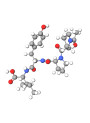
I want to create a lightweight, non-sticky, non-heavy facial serum using the following ingredients: Glycerin, Aloe Vera Extract, Sea Kelp Extract, Seed oil, Acetyl tetrapeptide, Tocopherol, Sodium Hyaluronate, Sodium PCA, Butylene Glycol, Sorbitan oleate, Xanthan Gum, Sodium Gluconate, and Water. I do not have a blender. Are these ingredients compatible, and can I successfully formulate this serum to achieve the desired texture without a blender? Should I add or change anything?
Answer
Ingredient Compatibility and Formulation Analysis
The ingredients you listed are generally compatible for use in a cosmetic formulation, but achieving a non-sticky, lightweight serum texture without a blender presents some challenges.
Here's a breakdown:
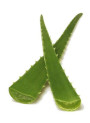
- Water-Soluble Ingredients: Glycerin, Aloe Vera Extract, Sea Kelp Extract, Acetyl Tetrapeptide, Sodium Hyaluronate, Sodium PCA, Butylene Glycol, Xanthan Gum, Sodium Gluconate, and Water are primarily water-soluble. These ingredients can form the base of your serum, providing hydration, soothing properties, and potentially anti-aging benefits (from the peptide and extracts).
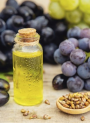
- Oil-Soluble Ingredients: Seed oil and Tocopherol (Vitamin E) are oil-soluble.
- Emulsifier: Sorbitan Oleate is an emulsifier. However, it is typically used as a water-in-oil (W/O) emulsifier, which creates thicker, oilier emulsions. For a lightweight, non-sticky serum, an oil-in-water (O/W) emulsion is usually preferred, which requires a different type of emulsifier or a combination of emulsifiers (like Sorbitan Oleate with a higher HLB emulsifier such as Polysorbate 80).
Challenges for a Lightweight, Non-Sticky Texture:
- Oil Phase: Including oil requires an effective emulsification system to disperse the oil evenly in the water phase. Using Sorbitan Oleate alone is unlikely to create a stable, lightweight O/W emulsion. The oil might separate or make the serum feel greasy.
- Humectants: Glycerin, Butylene Glycol, and Sodium PCA are excellent humectants, but using them at high concentrations can sometimes lead to a slightly sticky feeling on the skin.
- Thickener: Xanthan Gum is a common thickener for serums. While the "clear gel, smooth texture" type is better than standard types for reducing stickiness, the concentration used will significantly impact the final texture. Too much can make the serum feel heavy or slightly sticky.
Challenges for Mixing Without a Blender:
- Xanthan Gum: Properly hydrating Xanthan Gum to form a smooth gel without lumps usually requires high-speed mixing (like with a blender or homogenizer). While you can try dispersing it in glycerin or oil first before adding water, achieving a perfectly smooth, lump-free texture with just manual stirring can be difficult.
- Emulsification: Creating a stable emulsion (mixing oil and water) typically requires significant shear force, which is provided by a blender or homogenizer. Simply stirring oil and water with an emulsifier, especially if the emulsifier system isn't optimized for O/W, will likely result in separation over time.
Suggestions and Considerations:
- For a truly lightweight, non-sticky serum without a blender: Consider making a purely water-based serum and omitting the Seed oil and Sorbitan Oleate. Focus on the water-soluble humectants, extracts, peptide, and Sodium Gluconate. You would still need to carefully hydrate the Xanthan Gum with vigorous stirring or shaking.
- If you want to include the oil: You would ideally need an O/W emulsifier system and a way to mix thoroughly, preferably with a high-speed mixer, to ensure stability and a pleasant texture.
- Adjusting Texture: If you proceed with the current list, carefully control the percentage of Xanthan Gum and humectants to minimize stickiness.
In summary, while the ingredients are chemically compatible, achieving your desired lightweight, non-sticky texture and stable formulation without a blender, especially with the oil and Sorbitan Oleate included, will be challenging. You might need to adjust the formulation or consider using a high-speed mixing method.
Related Products Mentioned

Sea Kelp Extract
Vitamin E (dl-alpha tocopherol)
Glycerin (USP/Food Grade)
Sodium PCA 50%
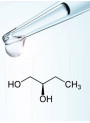
Butylene Glycol
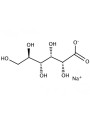
Sodium Gluconate
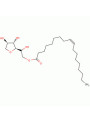
Sorbitan Oleate (Span 80)