Serum Formulation: Compatibility, pH, and Post-Production Adjustment
Question
Regarding a provided serum formulation, can the ingredients be mixed successfully, what is the likely pH without adjustment (and will it exceed 6), and what are the potential effects of adjusting the pH after manufacturing?
Answer
Formulation Analysis and Recommendations
1. Ingredient Compatibility
Based on the ingredients listed, the formula is designed to be a complex serum containing both water and oil phases. Ingredients like Water, 1,3-Propanediol, Disodium EDTA, Natural Betaine, Licorice Extract, Aloe Vera Extract, Dipotassium Glycyrrhizate, Xanthan Gum, Nano Gold, and Pure-Baicalin are generally water-soluble or dispersible in water. Ingredients such as Fractionated Coconut Oil, LipidSoft™ Solve, Blue Tansy Oil, Natural Bisabolol, and Avena sativa (Oat) Extract (Oil Soluble) are oil-soluble.
The inclusion of Ultra Solve™ and LipidSoft™ Solve suggests that the formula intends to solubilize or emulsify the oil phase into the water phase, which is a common approach for serum formulations containing both types of ingredients. Xanthan Gum acts as a thickener for the water phase, helping to stabilize the overall system.
However, there are potential compatibility and processing considerations:
- WhiteCumin™ 2x (Tetrahydrodiferuloylmethane) is included at 3%, which is above the recommended usage rate of 0.1-1.0%. This higher concentration might pose solubility challenges or affect the stability and appearance of the final product.
- Centella Asiatica Extract (TECA 95%) is not soluble in water or oil and typically requires heat (70-80°C) and a glycol (like Propylene Glycol or Butylene Glycol) for dissolution. Your formula contains 1,3-Propanediol, which might help dispersion, but achieving full dissolution might be difficult without the recommended glycols and heat.
- Centella Asiatica Extract (Madecassoside 90%) and Pure-Baicalin™ should ideally be mixed in the final step and avoid heat above 60°C. This conflicts with the potential need for heat to dissolve the TECA 95% extract and the mixing instructions for Ultra Solve™ which suggest heat up to 80°C.
- Avena sativa (Oat) Extract (Oil Soluble) and Blue Tansy Oil should avoid heat above 40°C.
Therefore, while the ingredients can technically be combined, successful mixing and stability will heavily depend on a precise manufacturing process that carefully manages temperature and mixing steps to accommodate the specific requirements of each ingredient, particularly the Centella extracts, Pure-Baicalin, Oat Extract, Blue Tansy Oil, and WhiteCumin 2x. The high concentration of WhiteCumin 2x should also be carefully evaluated.
2. Likely pH Without Adjustment
Several ingredients in your formula have specified pH ranges for optimal stability or efficacy:
- Disodium EDTA: pH 4-5 (effective range 3.0-9.0)
- Phenoxyethanol SA: effective range 2.0-6.0
- Licorice Extract (Licochalcone A 1%): pH 3.9-5.9 (recommended formula pH 3.5-6.5)
- Aloe Vera Extract: pH 3.5-5 (recommended formula pH 3.5-7)
- Dipotassium Glycyrrhizate: pH 5-6 (recommended formula pH 4-7)
- Centella Asiatica Extract (Madecassoside 90%): recommended formula pH 4-6.5
- Pure-Baicalin™: soluble in water at pH around 6.5-7.2
Given the presence of multiple ingredients with acidic pH ranges (Disodium EDTA, Licorice Extract, Aloe Vera Extract) and the recommended pH ranges for several key actives and the preservative (Phenoxyethanol SA is effective up to pH 6.0), the final pH of the formula without adjustment is likely to be on the acidic side, probably within the range of 4 to 6.5.
It is less likely that the pH would significantly exceed 6 without any pH adjustment, especially considering the pH sensitivity of the preservative system (Phenoxyethanol SA). However, the exact pH will depend on the precise raw materials used and their interactions, so measuring the pH after mixing is essential for certainty and stability.
3. Adjusting pH After Manufacturing
It is technically possible for a customer to adjust the pH of a finished product after receiving it from a manufacturer using standard pH adjusters like diluted citric acid (to lower pH) or diluted sodium hydroxide (to raise pH).
However, adjusting the pH of a finished cosmetic product is generally not recommended and can have negative consequences:
- Stability Issues: pH changes can destabilize emulsions (if formed), cause ingredients to precipitate or fall out of solution, or affect the viscosity provided by thickeners like Xanthan Gum.
- Efficacy Reduction: Many active ingredients, such as the extracts in your formula (Licorice, Aloe Vera, Centella, Baicalin), have specific pH ranges where they are most stable and effective. Adjusting the pH outside this range can reduce their beneficial properties.
- Preservative Effectiveness: The efficacy of the preservative system (Phenoxyethanol SA) is pH-dependent (effective up to pH 6.0). Adjusting the pH above 6.0 would compromise the preservation, potentially leading to microbial contamination.
- Aesthetic Changes: pH adjustment can alter the product's appearance (clarity, color) and texture.
For these reasons, it is always best practice to formulate and manufacture the product to the desired final pH from the beginning. If a pH adjustment is necessary, it should be done during the manufacturing process under controlled conditions and followed by stability and microbial testing to ensure the final product is safe and effective.
In summary, while the ingredients in your formula can be combined with careful processing, the pH is likely to be acidic. Adjusting the pH after manufacturing is possible but strongly discouraged due to potential negative impacts on the product's stability, efficacy, and preservation.
Related Products Mentioned

Natural Bisabolol (Brazil Chamomile)
Natural Betaine (Crystal)
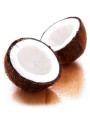
Fractionated Coconut Oil
Disodium EDTA



Phenoxyethanol SA (eq. Optiphen Plus)

Avena sativa (Oat) Extract (Oil Soluble)


Ultra Solve™

LipidSoft™ Solve