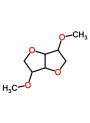
Serum Formulation for Brightening and Redness Reduction: Compatibility and Stability Concerns
Question
I need a serum for reducing dark spots and redness, and for skin brightening, using the following ingredients:
- Copper Peptide 3%
- Willow Bark 10%
- Mandelic Acid 10%
- Alpha Arbutin 2%
- tranexamic 5%
- Safe B3 10%
- Vitamin C ultra fine 15%
- DI Water 41%
- DMI 2%
- AnyGel 1%
- Mild Preserved 1%
Are there any ingredients in this formula that are incompatible? If there are too many ingredients, which ones should be removed? The main goal for this formula is to reduce dark spots and redness. Thank you.
Answer
Formulation Feedback
Your proposed serum formulation contains several excellent active ingredients for addressing dark spots, redness, and overall skin brightening. However, combining all of these ingredients at the specified concentrations presents significant formulation challenges and potential risks of skin irritation and instability.
Potential Compatibility Issues
The primary challenge with this formulation is the pH incompatibility between some of the key active ingredients:
- L-Ascorbic Acid (Vitamin C) is most stable and effective at a low pH, typically between 2.0 and 4.0 (with pH 3.5-4.0 being the minimum for cosmetic products applied to the skin according to FDA guidelines).
- Copper Peptide (GHK-Cu) requires a significantly higher pH range for stability, specifically between 4.5 and 7.4.
Attempting to formulate a single serum that keeps L-Ascorbic Acid stable at a low pH while also keeping Copper Peptide stable at a higher pH is not feasible. Combining them in a formula with a pH suitable for one will compromise the stability and effectiveness of the other.
Additionally, Niacinamide (Safe B3), while having a broad working pH range (3-8), is most stable and least likely to cause flushing at a pH between 4.0 and 7.0. A very low pH required for L-Ascorbic Acid can potentially cause Niacinamide to hydrolyze into Niacin over time, leading to skin flushing.
High Active Ingredient Concentration
The total concentration of active ingredients in your formula is very high (55%). While many of these ingredients are beneficial, combining them all at high percentages significantly increases the likelihood of:
- Skin Irritation and Sensitivity: Ingredients like Mandelic Acid, Willow Bark Extract (containing Salicylic Acid), high-concentration Vitamin C, and even Niacinamide at 10% can cause irritation, especially when used together in a single product.
- Compromised Skin Barrier: Over-exfoliation from high concentrations of Mandelic Acid and Willow Bark can weaken the skin barrier, leading to increased sensitivity, redness, and dryness.
- Formulation Instability: High concentrations of multiple active ingredients, particularly those with conflicting pH requirements, make it difficult to create a stable product over time.
Tranexamic Acid Concentration
You've included Tranexamic Acid at 5%. According to the product description, the typical usage rate for cosmetics is up to 3%. Using 5% may classify the product as a melasma treatment requiring different regulatory considerations and increases the risk of irritation.
Recommendations
To create a more stable, effective, and less irritating serum while still targeting dark spots and redness, consider the following modifications:
Separate Incompatible Actives: Due to the significant pH conflict, it is strongly recommended not to combine L-Ascorbic Acid and Copper Peptide in the same formulation. You could create two separate serums:
- Serum 1 (Lower pH): Focus on L-Ascorbic Acid (Vitamin C), Mandelic Acid, Alpha Arbutin, and Tranexamic Acid (at 3% or less). This serum would require a low pH (around 3.5-4.0). Niacinamide and Willow Bark could potentially be included, but their stability and potential for irritation at this low pH should be carefully considered and tested.
- Serum 2 (Higher pH): Focus on Copper Peptide, Niacinamide (Safe B3), Willow Bark Extract, Alpha Arbutin, and Tranexamic Acid (at 3% or less). This serum would work best at a pH between 4.5 and 6.5.
Reduce Overall Active Concentration: Even if you separate the incompatible ingredients, the total concentration of actives in each serum should be reduced to minimize irritation. Prioritize the ingredients most crucial for your goals. For reducing dark spots and redness, a combination of Niacinamide, Alpha Arbutin, Tranexamic Acid (at 3%), and perhaps one exfoliant like Mandelic Acid or Willow Bark at lower concentrations (e.g., 5% each) would still be very effective without being overly harsh. Copper Peptide can be included at 1-3% in a separate formula or routine.
Adjust Concentrations:
- Reduce Tranexamic Acid to 3% or less.
- Consider reducing the concentrations of Mandelic Acid and Willow Bark Extract if using them together, or choose just one at a moderate concentration (e.g., 5-8%).
- While Safe B3 (Niacinamide) can be used up to 10%, consider if a lower concentration (e.g., 5%) might be sufficient when combined with other potent actives, further reducing irritation potential.
- Keep Alpha Arbutin at 2% as planned, as this is the recommended effective concentration.
- If using L-Ascorbic Acid, 15% is a high but effective concentration for brightening, but requires careful pH control and consideration of other ingredients.
In summary, your proposed formula contains a powerful mix of ingredients but faces significant challenges with pH compatibility and high overall concentration, which will likely lead to instability and irritation. It is advisable to simplify the formula, reduce the concentration of some actives, and potentially split incompatible ingredients into separate products used at different times. Focusing on a well-formulated serum with fewer, compatible actives at appropriate concentrations will yield better and safer results for reducing dark spots and redness.
Related Products Mentioned
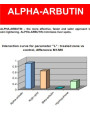
Alpha Arbutin (Switzerland)
Safe-B3™ (Vitamin B3, Niacinamide)
Vitamin C (L-ascorbic acid) (Ultra-Fine)

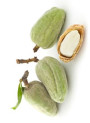
Mandelic Acid
Mild Preserved Eco™ (Preservative-Free)
Tranexamic Acid (Trans-White™)
AnyGel™ (Dehydroxanthan Gum)