Serum Formulation for Oily, Acne-Prone, Aging Skin
Question
My skin is oily and dehydrated, with peeling around the nose. I have blackheads and clogged pores due to enlarged pores, and many red and dark acne marks. I also have signs of aging like wrinkles and loss of firmness. I previously used Lactic Acid and experienced breakouts.
I've noticed that using skincare with hyaluron or anti-aging ingredients increases skin hydration, but my skin remains oily. I would like to consult on a suitable oil-free serum formulation that hydrates the skin, helps skin recovery/strengthening, reduces red and dark marks, reduces wrinkles, and firms the skin.
Could a formula like the one below work? Please advise or suggest modifications.
Proposed Formula:
- Safe-B3......................5%
- GlucoBright ................4%
- Dimethyl Isosorbide (DMI)...3%
- Mild Preserved Eco..........1%
- Ectoin......................2%
- Repair Activator............10%
- beta glucan.................5%
- Double Hyaluron Liquid......6%
- Pal-GHK.....................5%
- Argireline.................10%
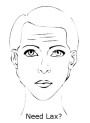
- Wrinkle-Lax................0.5%
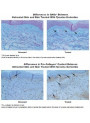
- Wrinkle-Fill..............2%
- Adenosine Liposome.........5%
- MOIST72.....................2%
- TaraGel.....................1.5%
- Water..........................38%
Questions:
- Is the whitening group (Safe-B3, GlucoBright) effective enough for reducing dark marks?
- Are the quantity and types of ingredients too many/complex?
Answer
Serum Formulation Feedback
Based on your skin concerns (oily, dehydrated, peeling, blackheads, clogged pores, acne marks, and signs of aging) and your proposed serum formulation, here is an analysis and some feedback.
Your goal is to create an oil-free serum that hydrates, strengthens, reduces marks, and provides anti-aging benefits. The ingredients you've selected target these areas.
Here's a look at the key ingredients in your formula:
- Hydration: Ingredients like Double Hyaluron Liquid, MOIST72, Beta Glucan, and GlucoBright are excellent for providing hydration without adding oiliness. This addresses your dehydrated skin concern.
- Oil Control & Pores: Safe-B3 (Niacinamide) is beneficial for reducing oiliness and can help improve the appearance of enlarged pores over time.
- Acne Marks (Red/Dark Spots): The combination of Safe-B3 (Niacinamide) and GlucoBright (Acetyl Glucosamine) is well-supported by research for its effectiveness in reducing hyperpigmentation and improving skin tone. Using Safe-B3 at 5% and GlucoBright at 4% is within the recommended ranges for this purpose and should be quite effective for reducing dark spots. GlucoBright also has properties that can help reduce acne breakouts.
- Skin Barrier & Strengthening: Safe-B3 (Niacinamide), Repair Activator (Bifida Ferment Lysate), Ectoin, and Beta Glucan all contribute to strengthening the skin barrier, reducing irritation, and promoting overall skin health. This is important for skin prone to dehydration and breakouts.
- Anti-Aging (Wrinkles, Firmness): You have a comprehensive blend of peptides (Pal-GHK, Argireline), Wrinkle-Lax, and Wrinkle-Fill. These ingredients target different aspects of aging, such as stimulating collagen production and reducing the appearance of expression lines. The percentages you've chosen for these actives are generally within or at the higher end of the recommended usage rates, which should provide potent anti-aging benefits.
- Penetration Enhancement: Dimethyl Isosorbide (DMI) helps improve the delivery of the active ingredients into the skin.
Regarding your specific questions:
- Whitening efficacy for dark spots: Yes, the combination of Safe-B3 (Niacinamide) and GlucoBright (Acetyl Glucosamine) at the concentrations you've included is known to be effective for reducing dark spots and improving skin tone.
- Too many ingredients/complexity: Your formula is quite extensive, containing many different active ingredients. While each ingredient offers potential benefits, a very complex formula can sometimes increase the risk of ingredient interactions or potential for sensitivity. It also makes troubleshooting more difficult if your skin reacts. However, the ingredients you've chosen generally complement each other and target your stated concerns effectively in a water-based system. The percentages used for most ingredients appear to be within the recommended ranges provided by the supplier.
Considerations and Adjustments:
- Lactic Acid Sensitivity: You mentioned Lactic Acid caused breakouts. This suggests your skin might be sensitive to exfoliants or low pH. Your current formula avoids strong exfoliants, which is good. Ensure the final pH of your serum is within the optimal range for the ingredients (generally slightly acidic to neutral, around pH 4-7) to maintain efficacy and minimize potential irritation.
- "Adenosine Liposome" and "TaraGel": Information on the specific "Adenosine Liposome" product and "TaraGel" was not fully available in the product descriptions. It's important to confirm their recommended usage rates, solubility, and compatibility with the other ingredients and the desired serum texture by checking the supplier's detailed specifications.
- Formula Percentage Total: Your listed percentages add up to 95%. Ensure the remaining 5% is accounted for, likely with water or another suitable base ingredient, to reach 100%.
- Patch Testing: Given the number of active ingredients and your history of reacting to Lactic Acid, it is highly recommended to perform a patch test on a small area of skin before applying the serum to your entire face.
Overall, your proposed formula is a potent, multi-tasking serum designed to address your specific concerns. The combination of hydrating, barrier-repairing, whitening, and anti-aging ingredients is well-chosen for oily, dehydrated, aging skin with acne marks. Just be mindful of the complexity and ensure compatibility and appropriate pH.
Related Products Mentioned
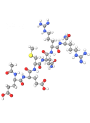
Acetyl Hexapeptide-8 (eq Argireline)
Pal-GHK, Pal-GQPR (eq Matrixyl 3000)
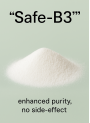
Safe-B3™ (Vitamin B3, Niacinamide)
GlucoBright™ (Acetyl Glucosamine)
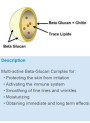

MOIST72™
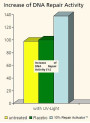
Double Hyaluron Liquid
Wrinkle-Fill™ (Acetyl-Tyrosine)
Mild Preserved Eco™ (Preservative-Free)
Wrinkle-Lax™ คลายริ้วรอย
Ectoine (Ectoin, from Bio-fermentation)
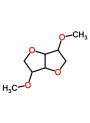
Dimethyl Isosorbide (DMI)