Serum Formulation for Oily, Acne-Prone Skin: Evaluation and Mixing Questions
Question
I am asking about a serum formula for oily skin.
I am 30 years old with oily skin, clogged pores, and occasional inflamed acne. I would like a serum with a light, non-heavy texture that absorbs easily.
Here is the list of ingredients:
Oil Phase:
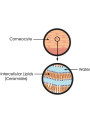
- Cerasoft 4%
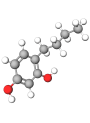
- Activated Resorcinol 1%
- Phytosphingosine 1%
- Light Lotion Maker 1%
Water Phase:
- Panthenol B5 3%
- Licochalcone A 2%
- Sebum-Reg 2%
- L-Carnitine 3%
- Mild Preserved Eco 1%
- Disodium EDTA 0.20%
- Dimethyl Isosorbide (DMI) 3%
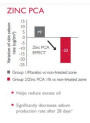
- Zinc PCA 1%
- Pro Polymer 1.50%
- Distilled Water 23.30%
- Pitera 50%
Insoluble Phase:
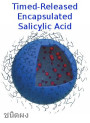
- Encapsulated Salicylic Acid (Powder) 4%
(Note: I already use a Niacinamide serum separately, so it is not included here.)
Proposed Mixing Method:
(1) Combine the oil phase ingredients (1-4) and stir until dissolved. Set aside.
(2) Combine Distilled Water + Pitera + Pro Polymer and stir until fully dissolved. Then add the water phase ingredients (5-11) and stir until combined, keeping Zinc PCA (an electrolyte) aside to be added last.
(3) Gradually add the water phase (from step 2) into the oil phase (from step 1) little by little, stirring to combine.
(4) Add Encapsulated Salicylic Acid (Powder) (16) in the final step. Stir to disperse it throughout the solution.
I intend to make this at home without temperature measurement equipment, so I tried to select ingredients that do not require heat.
I would like to ask the following questions:
- Will there be any problems during mixing with this formula? Are there any incompatible ingredients?
- Regarding mixing step (2), after the Pro Polymer is fully dissolved, can I add Zinc PCA immediately, and then gradually add the water phase ingredients (5-11)? I understand that electrolytes will make the solution less viscous. Will this help the water phase ingredients (5-11) dissolve more easily? Or should Zinc PCA be added last as originally planned?
- Will there be issues with stickiness after applying it to the face?
- Are the Emulsifier and Thickener (Light Lotion Maker and Pro Polymer) suitable for this case (is this considered Oil-in-Water)? Or does the Staff recommend any other alternatives that can emulsify oil with water and still maintain a somewhat liquid, fast-drying serum texture that is not a thick gel and can be used alone? (Based on my observations, most emulsifiers/thickeners combine oil and water to form a cream texture, but I want a light, liquid serum texture.)
Thank you very much.
Answer
Evaluation of Your Proposed Serum Formula for Oily, Acne-Prone Skin
Thank you for providing your detailed serum formula and mixing method. It's a thoughtful combination of ingredients targeting oily skin, acne, and marks. Here's an evaluation based on your questions:
Potential Mixing Problems or Incompatibilities:
- The proposed mixing method, separating oil and water phases and then combining them, is generally appropriate for creating an Oil-in-Water (O/W) emulsion using a cold-process emulsifier like Light Lotion Maker.
- Emulsion Stability: Using 1% Light Lotion Maker to emulsify 4% oil phase might be on the lower side depending on the specific grade and the presence of other ingredients that can affect stability (like high concentrations of actives or DMI). Ensure thorough mixing during the emulsification step.
- Pro Polymer and Electrolytes: As you correctly noted, Zinc PCA is an electrolyte. Pro Polymer (Acrylate Crosspolymer) is sensitive to electrolytes, which can reduce its thickening efficiency or cause instability. While adding Zinc PCA last is the correct approach to minimize this, the high concentration of Pitera (50%) might also contain electrolytes that could potentially impact the Pro Polymer or the overall emulsion stability over time. Monitor the mixture for changes in viscosity or separation.
- Encapsulated Salicylic Acid: Dispersing 4% of a powder ingredient evenly into the final mixture can be challenging without proper equipment. Ensure thorough stirring to keep it suspended.
Timing of Adding Zinc PCA:
- Your plan to add Zinc PCA last is correct and recommended. Adding electrolytes like Zinc PCA after the Pro Polymer has fully hydrated and thickened, and ideally after the emulsion is formed, helps maintain the desired viscosity and stability of the polymer network and the overall formula. Adding it earlier would likely cause the mixture to thin out.
Potential for Stickiness:
- Yes, there is a potential for stickiness. Pro Polymer (Acrylate Crosspolymer) at a concentration of 1.5% can sometimes contribute to a slightly sticky or tacky feel on the skin, depending on the specific grade and how it interacts with other ingredients. The high concentration of Pitera (50%) might also add to this feeling for some users.
Suitability of Emulsifier and Thickener (Light Lotion Maker and Pro Polymer):
- Emulsifier: Light Lotion Maker is suitable for creating a light O/W emulsion without heat, fitting your requirements. It is designed to help emulsify oil into water.
- Thickener: Pro Polymer is a suitable thickener for creating a serum or gel texture in the water phase and helping to stabilize the emulsion and suspend ingredients. It is commonly used in serums.
- Oil-in-Water (O/W): Yes, based on the emulsifier type and the high percentage of the water phase, this formulation is designed as an Oil-in-Water emulsion.
- Alternatives: While Light Lotion Maker and Pro Polymer are suitable choices for a cold-process, light serum aiming for O/W, if you find the final product too sticky or unstable, you might explore alternative thickeners or emulsifier combinations designed for very light, non-tacky serums. However, the current choices are reasonable starting points for a home formulation without heat.
Recommendation:
It is recommended to make a small test batch first to check the mixing process, the final texture, stability, and skin feel before making a larger quantity. Pay close attention during the emulsification step and observe the mixture over a few days for any signs of separation or changes in texture.
Related Products Mentioned
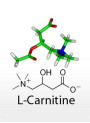
L-Carnitine (Carnitine)
Disodium EDTA
Pro Polymer™ (Gel Maker)
Zinc PCA
Purified Water, TDS Limit 1PPM)
Mild Preserved Eco™ (Preservative-Free)
Cerasoft™ (Synthetic Ceramide)

Sebum-Reg™ (Capryloyl Glycine)
Light Lotion Maker
Phytosphingosine (90% Purity)