Serum Formulation for Oily Skin: Anti-Aging, Scar Treatment, and Ingredient Compatibility
Question
I am formulating a serum for oily skin, focusing on anti-aging and treating acne scars on the face. The current active ingredients include:
- Argireline (Acetyl Hexapeptide-8) 10%
- Pep-Coll (Palmitoyl tripeptide-5) 5%
- Retinol cyclosystem complex (retinol cyclodextrin) 6%
I also plan to add other natural extracts for wrinkle reduction and skin brightening.
I have the following questions:
- Is it necessary to add Matrixyl 3000 (Palmitoyl Oligopeptide, Palmitoyl Tetrapeptide-7) 8% to this formula for optimal wrinkle reduction, or is the current combination sufficient? Is it necessary to use Matrixyl 3000 + Pep-Coll + Retinol cyclosystem complex together for maximum efficacy in wrinkle reduction? I am willing to invest heavily, please advise.
- If the formula already contains Vitamin C (Go-VC), will adding Copper Peptide (GHK-Cu) reduce the efficacy of the Copper Peptide? Or will only the Vitamin C's efficacy be reduced, while Copper Peptide remains effective? I believe Vitamin C is problematic and prefer using other whitening agents that are more stable to temperature and air, and I am more inclined towards Copper Peptide. I feel I made a mistake using Vitamin C as the primary whitening agent and that Alpha Arbutin is much better, even though Vitamin C is claimed to be stable, it hasn't shown brightening results and might have degraded.
- Can AHA (like Malic Acid) or BHA (Salicylic Acid) be added to the aforementioned oily skin serum formula? Will they negatively impact the efficacy of any of the anti-aging ingredients (peptides, Retinol) due to their acidic nature? Can other alternatives be used instead? Please advise.
Answer
Serum Formulation for Oily Skin: Anti-Aging and Acne Scars
Addressing your questions regarding your proposed serum formulation for oily skin targeting anti-aging and acne scars:
1) Adding Matrixyl 3000
Your current combination of Argireline, Pep-Coll, and Retinol cyclosystem complex is already a powerful blend for anti-aging and addressing wrinkles and acne scars. Each ingredient works through different mechanisms:
- Argireline (Acetyl Hexapeptide-8): Works by reducing muscle contractions that contribute to expression lines, particularly around the eyes and forehead.
- Pep-Coll (Palmitoyl tripeptide-5): Stimulates collagen synthesis, improving skin firmness and reducing wrinkle depth.
- Retinol cyclosystem complex (like Perfect-A Nano or HyaRetin): Retinoids are highly effective for stimulating collagen production, increasing cell turnover, and improving skin texture, which is beneficial for both wrinkles and the appearance of acne scars.
Adding Matrixyl 3000 (Pal-GHK, Pal-GQPR), another peptide that stimulates collagen synthesis, could potentially offer enhanced results by providing additional support for the skin's collagen structure. However, Pep-Coll is already a potent collagen-stimulating peptide, and the combination with Retinol provides significant anti-aging benefits. While adding Matrixyl 3000 would further boost collagen stimulation, it is not strictly necessary to achieve noticeable wrinkle reduction. The current combination is already quite comprehensive.
It is not necessary to use all three peptides (Matrixyl 3000, Pep-Coll) along with Retinol to achieve significant anti-wrinkle efficacy. The combination you have proposed (Argireline, Pep-Coll, and Retinol) already targets multiple pathways involved in skin aging and repair.
2) Copper Peptide and Vitamin C Compatibility
Combining Copper Peptide (GHK-Cu) with certain forms of Vitamin C, particularly L-Ascorbic Acid, is generally not recommended due to potential instability and reduced efficacy. Copper Peptide is sensitive to pH and works best in a range of 4.5-7.4. Many effective Vitamin C formulations, especially those with L-Ascorbic Acid, require a much lower pH (below 3.5) for stability and absorption, which is incompatible with Copper Peptide's optimal range.
Furthermore, ingredients like Disodium EDTA, often used in cosmetic formulations to chelate metal ions and improve the stability of ingredients like Vitamin C, can bind to the copper in Copper Peptide, reducing its effectiveness. The description for Copper Peptide explicitly advises against using Disodium EDTA in the formula.
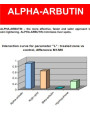
Given your experience and preference, using Alpha Arbutin for whitening is a good alternative. Alpha Arbutin is generally more stable than L-Ascorbic Acid and is effective for brightening the skin. Its optimal pH range (3.5-6.5) is more compatible with Copper Peptide's range (4.5-7.4) than L-Ascorbic Acid.
Therefore, to maintain the full efficacy of Copper Peptide, it is best to avoid combining it with Vitamin C forms that require a low pH or the inclusion of EDTA. Alpha Arbutin is a suitable alternative for your whitening needs that is compatible with Copper Peptide.
3) Adding AHA or BHA
Adding AHA (like Malic Acid) or BHA (Salicylic Acid) to your serum formulation containing peptides and Retinol can be challenging due to pH incompatibility. AHAs and BHA are most effective at exfoliating the skin at a low pH (typically below 4). Many peptides, including Argireline, Pep-Coll, and Matrixyl 3000, as well as Copper Peptide, are sensitive to low pH and can degrade or lose effectiveness in acidic environments required for AHA/BHA exfoliation.
Retinol's stability is also influenced by pH, although encapsulated forms may offer some protection. However, combining potent exfoliants with Retinol and multiple peptides in a single formula can also increase the risk of skin irritation.
To effectively incorporate both exfoliation and your anti-aging/scar treatments, it is generally recommended to use AHA or BHA in a separate product applied at a different time of day or on alternate days from your peptide and Retinol serum. For example, you could use an AHA/BHA product in the morning or on nights when you are not using the serum containing peptides and Retinol.
Alternatively, you could explore very low concentrations of gentle exfoliants or consider ingredients that offer mild exfoliation at a higher pH, but separating the products is the most reliable way to ensure the optimal performance and stability of all active ingredients and minimize potential irritation.
Related Products Mentioned
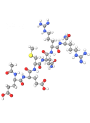
Acetyl Hexapeptide-8 (eq Argireline)
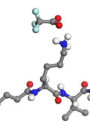
Pep®-Coll (Palmitoyl tripeptide-5)
Pal-GHK, Pal-GQPR (eq Matrixyl 3000)
Alpha Arbutin (Switzerland)
Salicylic Acid (BHA, Pharma Grade)
Magnesium Ascorbyl Phosphate
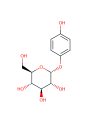
Alpha Arbutin (China, Crystal Form)
Retinol (50% liquid)