Serum Formulation for Scar and Dark Mark Reduction on Sensitive Skin
Question
I want to formulate a serum to reduce dark scars, especially acne scars, on sensitive skin. I am considering using Centella Asiatica Extract (Madecassoside) and Lactic Acid.
What are the suitable ingredients and formulation considerations for this purpose, especially for sensitive skin? Are there other ingredients like Peptides, Vitamin B5, or Zinc PCA that would be beneficial? What is the recommended approach for using ingredients like Lactic Acid on sensitive or healing skin?
Answer
Scar Reduction Serum Formulation Advice
Thank you for sharing your serum formula idea for reducing dark scars. It's a great approach to consider specific active ingredients to help speed up the process, especially given your skin sensitivity.
Let's look at the ingredients you proposed and the suggestions from the forum replies:
Centella Asiatica Extract (Madecassoside): This is an excellent choice. Centella Asiatica is well-known for its wound-healing and anti-inflammatory properties. It helps stimulate collagen production, which is crucial for repairing damaged skin tissue and reducing the appearance of scars and redness. It can also help reduce melanin pigmentation caused by inflammation.
Lactic Acid: Lactic Acid is an Alpha Hydroxy Acid (AHA) that helps exfoliate the skin and improve skin tone by promoting cell turnover. This can be beneficial for reducing dark spots or hyperpigmentation associated with scars after the skin has fully healed. However, as mentioned in the replies, using acids like Lactic Acid on skin that is still healing or is sensitive can cause irritation and potentially worsen the scar or delay healing. It is generally recommended to focus on healing and strengthening the skin first before introducing exfoliating acids.
Based on your goal to speed up healing and reduce dark marks, and considering your sensitive skin, here are some ingredients that are highly beneficial for scar treatment and skin strengthening:
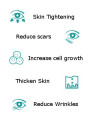
Peptides (e.g., Matrixyl 3000, Pep®-Coll, Copper Peptide, Adenosine): Peptides are powerful ingredients that signal the skin to repair itself and produce collagen and elastin. Copper Peptide, in particular, is noted for its ability to help with scar problems and stimulate skin regeneration. Adenosine also supports wound healing and collagen synthesis, and can help with skin brightening.
Vitamin B5 (Panthenol): This ingredient is fantastic for skin hydration, strengthening the skin barrier, and reducing inflammation. It actively supports the skin's natural healing process, helps reduce redness and itching, and can accelerate wound healing, which minimizes scarring.
Zinc PCA: This compound is known to help accelerate wound healing, stimulate collagen production, and has anti-inflammatory properties, making it beneficial for healing, especially for acne scars.
Suggested Approach:
For sensitive skin prone to scarring, it's best to prioritize healing and strengthening the skin barrier first. A serum focusing on ingredients like Centella Asiatica, Vitamin B5, Peptides (such as Copper Peptide or Adenosine), and Zinc PCA would be very beneficial during the initial healing phase of a wound or on newer scars. These ingredients work together to support skin repair, reduce inflammation, and promote healthy tissue regeneration, which can help minimize scar formation and reduce redness.
Once the skin is fully healed and if dark pigmentation (post-inflammatory hyperpigmentation) remains, you can then carefully introduce Lactic Acid or other gentle brightening agents to help fade the dark marks. Always start with a low concentration and monitor your skin's reaction.
Combining ingredients that promote healing and collagen synthesis with ingredients that address pigmentation at the appropriate stage can be a very effective strategy for reducing the appearance of scars and dark marks on sensitive skin.
Related Products Mentioned
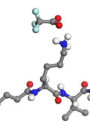
Pep®-Coll (Palmitoyl tripeptide-5)
Pal-GHK, Pal-GQPR (eq Matrixyl 3000)
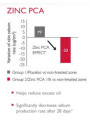
Zinc PCA

Pure-Adenosine™