Serum Formulation for Skin Barrier, Probiotics, BHA: pH, Thickener, and Stability Questions
Question
I intend to create a serum for skin barrier support + pre/probiotics, adding BHA because my skin is acne-prone. Initially, I planned to use DMI, but the minimum pH for DMI is 5.0, while Lactobacillus Ferment Lysate should not exceed pH 5.5. I thought it might be difficult to control the pH of the formula, so I decided to use Laurocapram instead. Could this formula be changed to use Pro Polymer™? Are there any other issues with the rest of the formula?
Thank you.
Formula:
Glycosaminoglycans Complex 3.00 %
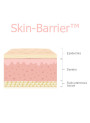
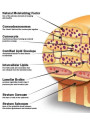
Skin-mimic™ (Skin Barrier Restoration) 3.00 %
Glyceryl glucoside (Japan) 1.00 %
Natural Moisturizing Amino Acids 1.00 %
TreMoisture™ (Trehalose) 1.00 %
Rose Hip Oil (Virgin, Fresh) 1.00 %
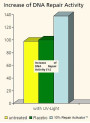
Repair Activator™ 10.00 %
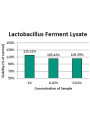
Lactobacillus Ferment Lysate 3.00 %
Prebio-care (Skin Prebiotic) 1.00 %
PiteraEx™ (Saccharomyces Lysate Extract) 1.00 %
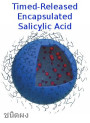
Encapsulated Salicylic Acid (Powder, Timed-Release) 4.00 %
Laurocapram (Water Soluble) 2.00 %
1,2-Hexanediol (Super-Purified, Odorless) 2.00 %
Mild Preserved Eco™ (Preservative-Free) 1.00 %
Odor-Kill™ (ละลายน้ำ) 1.00 %
Satin Cream Maker™ 1.20 %
WaterLube™ Slip 5.00 %
Citric Acid (High Purity, Anhydrous) 0.10 %
น้ำกลั่น ปราศจากเชื้อ 58.70 %
Answer
Hello, the team has reviewed your formula. This formula is very interesting as it combines ingredients for skin barrier support, pre/probiotics, and BHA for acne concerns.
Here are the answers to your questions:
Regarding the choice of Laurocapram over DMI and the pH issue:
- Your understanding regarding the pH of DMI and Lactobacillus Ferment Lysate is correct. DMI often has a minimum pH requirement for use, while Lactobacillus Ferment Lysate should ideally be kept below pH 5.5 for stability and efficacy.
- Using Laurocapram (Azone), which is a penetration enhancer effective across various pH ranges, is a good alternative to avoid the pH compatibility issues between DMI and other ingredients, especially Lactobacillus Ferment Lysate and BHA.
- However, this formula contains several ingredients that require specific pH ranges (BHA needs a low pH to release Salicylic Acid, even if encapsulated, it should be within a range suitable for that specific encapsulation type; and Probiotic Lysates need a pH not exceeding 5.5). It is absolutely essential to measure and adjust the final pH of the formula to be within the optimal range for all ingredients. Generally, you might aim for a pH of around 4.0-5.5, which is a range where many encapsulated BHA types work well and is also within the stable range for Probiotic Lysates.
Regarding switching to Pro Polymer™:
- The current formula uses Satin Cream Maker™ and WaterLube™ Slip, which function as emulsifiers, texturizers, and help improve the texture.
- Pro Polymer™ (Acrylate Crosspolymer) is a different type of thickener/gelling agent. Switching to Pro Polymer™ to replace the current ingredients cannot be done directly.
- Pro Polymer™ is a synthetic polymer that creates a gel or gel-cream texture. Its use requires considering compatibility with other ingredients in the formula, especially those with high charge or salt content (like the various Lysates) and the specific pH range where that type of Pro Polymer™ works best.
- If you wish to use Pro Polymer™, the formula would need to be completely reformulated, and thorough testing for compatibility, stability, and texture would be required.
Are there any other issues with the rest of the formula:
- Ingredient Compatibility and Stability: This formula contains a relatively high and diverse percentage of active ingredients (e.g., multiple Lysates, Encapsulated BHA, Skin-mimic™, Laurocapram). Combining these ingredients in a single formula is complex. It is crucial to perform detailed stability testing of the formula, including visual appearance (color, odor, texture, separation), pH, and the efficacy of active ingredients over time.
- Potential for Irritation: Although the formula includes ingredients to support the skin barrier and soothe the skin, using 4% Encapsulated BHA together with 2% Laurocapram, which is a relatively strong penetration enhancer, may increase the potential for skin irritation, especially for individuals with sensitive or easily irritated skin. It is advisable to recommend users patch test the product before applying it to the entire face, or you might consider reducing the percentage of Laurocapram if irritation is a significant concern (though reducing Laurocapram might affect BHA penetration).
- pH Adjustment: As mentioned earlier, adjusting the final pH is very important to ensure BHA works effectively and Probiotic Lysates remain effective and stable.
- Preservation System: Mild Preserved Eco™ combined with 1,2-Hexanediol is a relatively mild preservation system. It is recommended to perform a challenge test to ensure the formula is protected against microbial contamination throughout its shelf life.
Conclusion:
This is an interesting formula with the potential to address multiple skin concerns, including skin barrier support, balancing skin microbiota, and managing acne. Your reasoning for choosing Laurocapram over DMI to resolve the pH issue is valid in this context. However, this formula is highly complex. The key is to carefully control and adjust the final pH and to perform thorough stability and irritation potential testing. Switching the thickener to Pro Polymer™ would require a complete reformulation and re-testing.
I hope this information is helpful for your formula development. If you have any further questions, please feel free to ask.
Related Products Mentioned
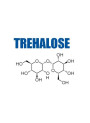
TreMoisture™ (Trehalose)
Glycosaminoglycans Complex
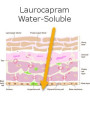
Laurocapram (Water Soluble)
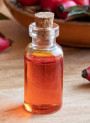
Rosehip Oil (Virgin, Fresh)
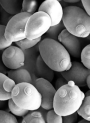
Dermal Respiratory Factor
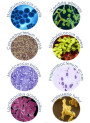
Prebio-care (Skin Prebiotic)