Serum Formulation for Skin Repair, Hydration, and Brightening (Water Base)
Question
I need a water-based serum focused on skin repair, hydration, and brightening. I plan to use Galactomyces as the water base.
My skin type is oily with large pores and slight acne. I primarily use products at night.
I'd like to include the following active ingredients and texture enhancers at these percentages:
Active Ingredients:
- Galactomyces Ferment Filtrate (aka. Pitera) 62%
- Repair Activator™ 15%
- Safe-B3™ (Vitamin B3, Niacinamide) 4%
- GlucoBright™ (Acetyl glucosamine) 4%
- Activated Resorcinol™ 1%
Texture Enhancers/Penetration Enhancers:
- Laurocapram (Water Soluble) 2%
- Silicone Gel (Ultra Clear) 5%
- Satin Cream Maker™ 1%
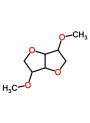
- Dimethyl Isosorbide (DMI) 3%
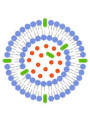
- Phospholipid 3%
Could you advise on this formulation?
Answer
Serum Formulation for Skin Repair, Hydration, and Brightening
Here is a formulation based on your requested active ingredients and texture enhancers for a serum targeting skin repair, hydration, and brightening, suitable for oily, acne-prone skin for nighttime use.
Important Note: The percentages you provided sum up to 100%. This formulation is based on these percentages, but it's crucial to understand that this leaves no room for water or other essential components like preservatives and pH adjusters needed for a stable and effective water-based serum. You will need to adjust the percentages of these ingredients to incorporate a water base and other necessary additives.
Proposed Formulation (Based on your provided percentages):
- Galactomyces Ferment Filtrate: 62%
- Repair Activator™ BG: 15%
- Safe-B3™ (Vitamin B3, Niacinamide): 4%
- GlucoBright™ (Acetyl Glucosamine): 4%
- Activated Resorcinol™: 1%
- Laurocapram (Water Soluble): 2%
- Silicone Gel (Ultra Clear): 5%
- Satin Cream Maker™: 1%
- Dimethyl Isosorbide (DMI): 3%
- Phospholipid: 3%
Ingredient Functions:
- Galactomyces Ferment Filtrate: Known for revitalizing and hydrating the skin, leaving it smooth.
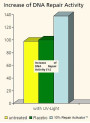
- Repair Activator™ BG: Helps repair skin DNA damaged by UV light and has anti-aging benefits.
- Safe-B3™ (Vitamin B3, Niacinamide): Reduces wrinkles, hyperpigmentation, adds moisture by stimulating collagen and ceramide production, strengthens the skin barrier, reduces oiliness, and is suitable for acne-prone skin.
- GlucoBright™ (Acetyl Glucosamine): Works with Niacinamide for whitening and reducing dark spots, stimulates hyaluronic acid production for moisture, and can help reduce acne breakouts.
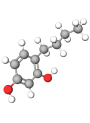
- Activated Resorcinol™: A potent skin brightener that reduces the activity of enzymes involved in pigment production. Note that the Activated Resorcinol™ you specified is oil-soluble. For a water-based serum, the water-soluble NanoRes™ (Liposome 4-Butyl Resorcinol) might be a more suitable alternative for easier incorporation.
- Laurocapram (Water Soluble): Acts as a penetration enhancer for water-soluble active ingredients.
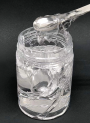
- Silicone Gel (Ultra Clear): Improves spreadability, provides a soft, smooth, non-sticky, and light feel, and can give a matte look.
- Satin Cream Maker™: A heat-free emulsifier and thickener that helps create the serum texture and incorporate oil/silicone components into the water phase.
- Dimethyl Isosorbide (DMI): A solvent and penetration enhancer that helps carry various ingredients into the skin.
- Phospholipid: Can help ingredients penetrate the skin better, moisturizes, nourishes the skin barrier, and reduces irritation. It requires both water and oil phases to be dispersed.
Mixing Method Considerations:
Given the heat sensitivity of some ingredients (Activated Resorcinol, Galactomyces, Repair Activator, Phospholipid), a cold process or low-heat process (below 40°C) is recommended.
- Combine the water-soluble ingredients (Galactomyces, Repair Activator, Safe-B3, GlucoBright, Laurocapram, DMI) in the water phase.
- Disperse Satin Cream Maker™ in the water phase and mix well.
- In a separate container, disperse Phospholipid in a small amount of oil or a portion of the water phase at room temperature (below 40°C) and blend well.
- Dissolve the oil-soluble Activated Resorcinol™ in a suitable oil phase (like the Silicone Gel or a small amount of another oil compatible with your formula).
- Gradually add the oil phase containing Activated Resorcinol™ and Silicone Gel to the water phase while mixing continuously to create an emulsion/serum texture.
- Add the dispersed Phospholipid to the main mixture and blend until homogeneous.
- Ensure thorough mixing (at least 1000 rpm for 15 minutes after adding Phospholipid) but avoid excessive speed (above 2500 rpm for Satin Cream Maker).
- Adjust pH to the optimal range (around 4.5-5.5) for ingredient stability and efficacy.
- Add a suitable preservative system.
Further Considerations:
- You will need to adjust the percentages to include water (the base of your serum) and a preservative.
- Consider using NanoRes™ (Liposome 4-Butyl Resorcinol) instead of Activated Resorcinol™ for easier incorporation into a water-based formula.
- Perform stability testing on your final formulation.
Related Products Mentioned
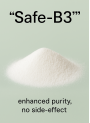
Safe-B3™ (Vitamin B3, Niacinamide)
GlucoBright™ (Acetyl Glucosamine)
Silicone Gel (Ultra Clear, Super Silky)

Satin Cream Maker™
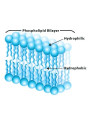
Phospholipid
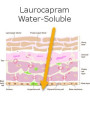
Laurocapram (Water Soluble)