Serum Formulation for Wrinkle Reduction: Compatibility and Texture Review
Question
I would like to create a serum for skin nourishment and wrinkle reduction, but I am unsure about ingredient compatibility. Could you please review the following formulation and provide suggestions, especially regarding how to achieve a non-sticky, comfortable texture?
Here is the proposed formulation:
- 4D Hyaluronic: 10%
- Argireline: 10%
- Safe B3: 5%
- Panthenol: 1%
- Pep- coll: 3%
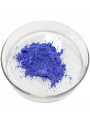
- Ectoin: 2%
- Co enz Q. 10: 0.5%
- Copper Peptide: 3%
- Vitamin C ultrafine: 5%
- Ferulic Acid: 1%
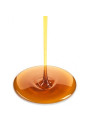
- Vitamin E dl Tocopherol: 1%
- Xanthan Gum: 0.5%
- Skintight: 3%
- Pitera: 20%
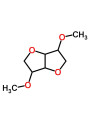
- Dimethyl Isosorbide: 3%
- Aqua: 32%
Total: 100%
I want a serum that is not sticky and feels comfortable on the skin. What adjustments should be made?
Answer
Serum Formulation Review for Skin Nourishment and Wrinkle Reduction
Thank you for sharing your proposed serum formulation. It contains many excellent active ingredients for skin nourishment and anti-aging. Let's review the compatibility and potential texture issues.
Compatibility and Stability Concerns
- Vitamin C (L-Ascorbic Acid) and Copper Peptide: These two powerful ingredients have conflicting pH requirements for optimal stability and efficacy. L-Ascorbic Acid requires a low pH (around 3.5-4.0), while Copper Peptide is most stable at a higher pH (4.5-7.4). Combining them in the same formula at their optimal pH levels is challenging and can lead to degradation of one or both ingredients. It is generally recommended to use these ingredients in separate products or apply them at different times of the day.
- Ferulic Acid and Vitamin E (dl-alpha tocopherol): Your formula is primarily water-based (32% Aqua plus water from liquid ingredients). Ferulic Acid is not water-soluble and requires solvents like Ethoxydiglycol or ethanol. Vitamin E (dl-alpha tocopherol) is oil-soluble. Without appropriate solubilizers or emulsifiers, these ingredients will not properly dissolve and disperse in your serum, reducing their effectiveness and potentially affecting the texture and appearance.
- Coenzyme Q10: You listed "Co enz Q. 10". We have both oil-soluble and water-soluble (encapsulated) versions. For a water-based serum, the water-soluble Coenzyme Q10 (10% Encapsulate Powder) is more suitable, although it will result in a cloudy serum. The oil-soluble version would require an emulsifier. Both forms benefit from protection against light and oxidation.
Texture (Stickiness)
The proposed concentrations of some ingredients, particularly 4D Hyaluronic Acid (10%) and Pitera (Galactomyces Ferment Filtrate) (20%), are quite high for a serum and are the most likely culprits for a sticky or heavy feel. While these ingredients are excellent for hydration and skin conditioning, using them at such high percentages in a serum format can result in an undesirable texture.
Suggested Adjustments
To address the compatibility issues and achieve a non-sticky, comfortable serum texture, consider the following adjustments:
- Address Vitamin C and Copper Peptide Incompatibility: Decide which ingredient is a higher priority for this specific serum, or plan to use them in separate products.
- If prioritizing Vitamin C (L-Ascorbic Acid), formulate at a low pH (3.5-4.0) and omit Copper Peptide. You will also need to address the solubility of Ferulic Acid and Vitamin E.
- If prioritizing Copper Peptide, formulate at a pH of 4.5-7.4 and omit L-Ascorbic Acid and Ferulic Acid (unless using water-soluble derivatives or adding solubilizers/emulsifiers).
- Address Ferulic Acid and Vitamin E Solubility: If you wish to include these in a water-based serum, you will need to add appropriate solvents (for Ferulic Acid) and solubilizers/emulsifiers (for Vitamin E and oil-soluble CoQ10 if used). Alternatively, consider using water-soluble derivatives of Vitamin C, Vitamin E, and CoQ10, or omit Ferulic Acid and Vitamin E for a simpler water-based formula.
- Improve Texture:
- Reduce the concentration of 4D Hyaluronic Acid. For normal skin, 2-5% is often sufficient for excellent hydration without excessive stickiness. For drier skin, you might use up to 5-8%.
- Reduce the concentration of Pitera (Galactomyces Ferment Filtrate). While it can be used at high percentages, 5-10% is often effective for its benefits without contributing significantly to stickiness.
- The percentage of Xanthan Gum (0.5%) is reasonable for thickening but contributes to the gel texture. Reducing it slightly might help if the texture is still too thick after adjusting Hyaluronic Acid and Pitera.
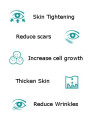
- DMAE (Skintight) at 3% is within the recommended range but can add to the feel. If texture is still an issue after other adjustments, a slight reduction could be considered, but 3% is effective for tightening.
- Include Essential Components: Ensure your total formula adds up to 100% and includes a suitable preservative system and pH adjuster to maintain stability and safety.
Recommended Ingredients (Based on your list and adjustments)
Assuming you choose to prioritize Copper Peptide and create a water-based serum with improved texture, a revised ingredient list might focus on:
- 4D Hyaluronic Acid (at a reduced percentage, e.g., 2-5%) - for hydration.
- Argireline (Acetyl Hexapeptide-8) (at your desired 10%) - for reducing expression wrinkles.
- Safe B3 (Vitamin B3, Niacinamide) (at your desired 5%) - for barrier support, anti-inflammatory, and overall skin health.
- Panthenol (Pro-Vitamin B5) (at your desired 1%) - for hydration and soothing.
- Pep-Coll (Palmitoyl tripeptide-5) (at your desired 3%) - for collagen stimulation.
- Ectoin (at your desired 2%) - for cell protection and hydration.
- Coenzyme Q10 (Water-Soluble) (at your desired 0.5%) - for antioxidant benefits (note: will be cloudy).
- Copper Peptide (GHK-Cu) (at your desired 3%) - for skin repair and anti-aging.
- Xanthan Gum (at 0.5% or slightly less if needed for texture) - for thickening.
- Skintight (DMAE) (at your desired 3%) - for tightening.
- Pitera (Galactomyces Ferment Filtrate) (at a reduced percentage, e.g., 5-10%) - for skin conditioning and revitalization.
- Dimethyl Isosorbide (DMI) (at your desired 3%) - as a penetration enhancer.
- Aqua (adjust percentage to reach 100% total, including preservative and pH adjuster).
- Preservative (as needed).
- pH Adjuster (to bring pH to 4.5-6.5).
This combination focuses on hydration, wrinkle reduction, and skin health while addressing the texture issue by reducing the most viscous components. Remember to always test compatibility and stability when creating a new formulation.
Related Products Mentioned
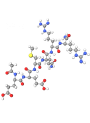
Acetyl Hexapeptide-8 (eq Argireline)
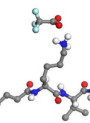
Pep®-Coll (Palmitoyl tripeptide-5)
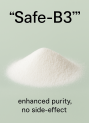
Safe-B3™ (Vitamin B3, Niacinamide)
Pure-Ferulic Acid™
Vitamin C (L-ascorbic acid) (Ultra-Fine)
Vitamin E (dl-alpha tocopherol)
DMAE (SkinTight MD™) Liquid

Coenzyme Q10 (98%, Powder, Oil-Soluble)
Ectoine (Ectoin, from Bio-fermentation)
Dimethyl Isosorbide (DMI)