Serum Formulation: Ingredient Compatibility, Mixing, and pH Adjustment
Question
How to formulate a serum using a specific ingredient list (Pitera, Distilled Water, Skin-Barrier™, Safe-B3™, Matrixyl 3000, WaterLock™, Copper Peptide, Repair Activator™ Powder, Myoisonitol, Laurocapram, ActiveProtec™ OX, Mild Preserved Eco™), including questions about substituting Myoisonitol for Rice Vitamin, using a hand blender for mixing, ingredient compatibility (specifically Copper Peptide and ActiveProtec™ OX), and necessary pH adjustments.
Answer
Formulation Mixing Guidance
Regarding your formulation and questions:
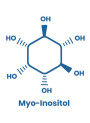
Myoisonitol vs. Rice Vitamin: Both Myoisonitol (Inositol Vitamin B8) and Rice Vitamin (Inositol, Vitamin B8) contain the active ingredient Inositol (Vitamin B8) and are water-soluble powders. Based on their descriptions, they appear to be interchangeable for the purpose of providing Vitamin B8 benefits in a water-based formulation. You can likely use the Myoisonitol you have purchased.
Ingredient Compatibility: Please note a significant incompatibility in your formulation: Copper Peptide and ActiveProtec™ OX. The description for Copper Peptide explicitly states not to use it with Disodium EDTA, as it will reduce the Copper Peptide's effectiveness. ActiveProtec™ OX contains Disodium EDTA. Therefore, these two ingredients should not be used together in the same formula. You should choose to omit either the Copper Peptide or the ActiveProtec™ OX.
Mixing Method with a Hand Blender: Yes, you can use a hand blender to mix this formulation, but with some considerations:
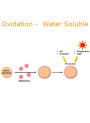
- Initial Water Phase: Combine the distilled water with water-soluble ingredients like Safe-B3™, WaterLock™, Myoisonitol (or Rice Vitamin), Laurocapram, and ActiveProtec™ OX (if you choose to include it, noting the incompatibility mentioned above). Use the hand blender on a low speed to help dissolve the powders (Safe-B3™, Myoisonitol, ActiveProtec™ OX) and mix the liquids. Avoid high speeds that can create excessive foam.
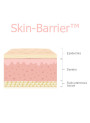
- Adding Skin-Barrier™: Add Skin-Barrier™ to the water phase and blend gently until it is dispersed. It will make the mixture translucent or cloudy.
- Cool Down Phase: Once the mixture has cooled to below 40°C, gently add the temperature-sensitive ingredients: Pitera, Matrixyl 3000, Copper Peptide (if included), and Repair Activator™ (shake Repair Activator™ well before adding). You can use the hand blender on a very low speed or switch to gentle stirring to incorporate these without introducing too much air.
- Final Addition: Add Mild Preserved Eco™ and mix gently until fully incorporated. It may require a few minutes of blending to become clear or fully dispersed.
Using a hand blender is effective for ensuring ingredients are well-mixed, but always use the lowest effective speed to minimize foaming, which can be detrimental to the stability and appearance of serums.
pH Adjustment: After mixing, it is crucial to check and adjust the final pH of your formulation. Copper Peptide requires a pH between 4.5 and 7.4 for stability. Safe-B3™ prefers 4.0-7.0. Repair Activator™ is pH 4-5.5. Mild Preserved Eco™ works in 4-9. ActiveProtec™ OX requires pH > 4. Aiming for a pH between 4.5 and 5.5 would be ideal to ensure the stability and efficacy of most ingredients, particularly Copper Peptide and Repair Activator™.
In summary, while a hand blender is suitable for mixing, be mindful of the ingredient incompatibility and mixing temperatures for certain actives. Always check the final pH.
Related Products Mentioned
Pal-GHK, Pal-GQPR (eq Matrixyl 3000)
Safe-B3™ (Vitamin B3, Niacinamide)
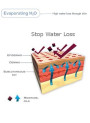
WaterLock™ (Polyquaternium-51)
Rice Vitamin (Inositol, Vitamin B8)
Mild Preserved Eco™ (Preservative-Free)
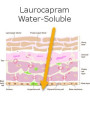
Laurocapram (Water Soluble)