Serum Formulation Issues: Color Change, Poor Adherence, and Proposed Water-in-Oil Formula
Question
Based on topic3931.html#p16228, I have a question about my serum formulation.
My current formulation and process are:
Part A
- Water: Qs 100
- Disodium EDTA: 0.2%
- Glycerin: 3%
- Butylene Glycol: 2%
- Tranexamic Acid: 3%
- Pro Polymer: 1.5%
- Phenoxyethanol: 0.5%
Part B
- Sym White: 0.5%
- ODA White plus: 3%
- Perfect C: 5%
- Vit E: 0.5%
- Repair Activator: 10%
Part C
- Azelaic liquid: 10%
- Dipotassium Glycyrrhizate: 0.5%
Part D
- Glycolic pH 4
Mixing Steps:
- Mix Part A and blend.
- Add Part B and blend.
- Add Part C. If it becomes less viscous, add a little more Pro Polymer and blend.
- Add Part D.
Storage: Store in a brown glass bottle in the refrigerator.
Problems encountered:
- After mixing, the serum is opaque white. After 1 month, it turns yellowish-brown. I would like to know how to fix this.
- It doesn't adhere well to the skin. When applied before bed, it all comes off on the pillow.
I would like it to adhere to the skin longer. Can I change the mixing method by using Water in Oil EZ? Here is my proposed new formula:
Oil Phase:
- Mineral Oil (Paraffinum Liquidum) Light: 10%
- Vit E: 0.5%
- Glycerin: 3%
- Butylene Glycol: 2%
- Sym White: 0.5%
- Water in Oil EZ: 1.5%
Water Phase:
- Tranexamic Acid: 3%
- EDTA: 0.2%
- Phenoxyethanol: 0.5%
- Azelaic liquid: 10%
- Repair Activator: 10%
- Glycyrrhizate: 0.5%
- Water: qs 100
Active Part to add later:
- ODA White plus: 3%
- Perfect C: 5%
- Glycolic pH 4
Proposed Mixing Steps (Water-in-Oil):
- Mix the oil phase and warm slightly.
- Mix the water phase and slowly add to the oil phase, then blend.
- Add the remaining active part.
- Add Glycolic to adjust pH to 4.
- If it is too liquid, add Xanthan Gum 1%
Is this method acceptable?
Answer
Serum Formulation Feedback and Water-in-Oil Proposal
Thank you for sharing your serum formulation and the issues you're experiencing. Let's address the problems and evaluate your proposed solution using Water-in-Oil EZ.
Problem 1: Color Change (Oxidation)
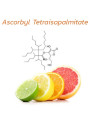
The change in color from off-white to yellowish-brown after one month is a common sign of oxidation. In your original formula, Perfect-C (Ascorbyl Tetraisopalmitate), an oil-soluble Vitamin C derivative, is the most likely ingredient to oxidize and cause this discoloration, although other ingredients could also contribute. While Ascorbyl Tetraisopalmitate is more stable than L-Ascorbic Acid, it is not immune to oxidation, especially over time and with exposure to air and light.
Your current storage method in a brown glass bottle in the refrigerator is good practice and helps slow down oxidation. To further minimize oxidation:
- Minimize Air Exposure: Reduce the amount of air in the container. Using airless pump bottles can be beneficial if possible.
- Raw Material Freshness: Ensure your raw materials, especially Perfect-C, are fresh and stored correctly before use.
- Antioxidant Support: While Vitamin E is present, sometimes additional antioxidants or chelating agents (like Disodium EDTA, which you already use) can offer further protection. However, I cannot recommend specific additions or concentrations without full formulation details and stability testing.
Problem 2: Lack of Adherence
Your initial formulation is likely a water-based gel or light serum thickened with Pro Polymer. This type of texture is designed for quick absorption and a non-greasy feel, but it typically does not form a significant film on the skin, which is why it might rub off easily onto your pillow.
Your idea to switch to a water-in-oil (W/O) emulsion using Water-in-Oil EZ is a good approach to improve skin adherence. W/O emulsions create a continuous oil phase on the skin, providing a more occlusive layer that can feel more substantial and stay on the skin longer, making it suitable for a night serum.
Evaluating Your Proposed Water-in-Oil Formulation
Your proposed ingredients for the water-in-oil formula are suitable for this type of emulsion. However, the phase distribution and mixing steps need adjustment for proper W/O emulsification.
In a water-in-oil emulsion, the oil-soluble ingredients are combined in the oil phase, and the water-soluble ingredients are combined in the water phase. The water phase is then slowly added to the oil phase while mixing with high shear.
Here is a suggested phase distribution and corrected mixing process for your proposed W/O formula:
Oil Phase:
- Mineral Oil (Paraffinum Liquidum) Light
- Vitamin E (Tocopheryl Acetate)
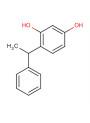
- Sym White (Phenylethyl Resorcinol)
- Water in Oil EZ
- Perfect C (Ascorbyl Tetraisopalmitate)
Water Phase:
- Water
- Tranexamic Acid
- Disodium EDTA
- Glycerin
- Butylene Glycol
- Phenoxyethanol
- Azelaic Acid (Liquid Azelaic)
- Repair Activator (Bifida Ferment Lysate)
- Dipotassium Glycyrrhizate
- ODA White (Octadecenedioic Acid) plus (This ingredient's solubility can vary, but it is often dispersed in water or requires specific solvents. Including it in the water phase is a common approach in emulsions).
- Xanthan Gum (if used for thickening the water phase)
Mixing Steps for Water-in-Oil Emulsion:
- Prepare the Oil Phase: Combine Mineral Oil, Vitamin E, Sym White, Water in Oil EZ, and Perfect C in a container. Gently heat this phase (e.g., to 70-75°C) to ensure all ingredients are dissolved and to match the temperature of the water phase for better emulsification.
- Prepare the Water Phase: Combine Water, Tranexamic Acid, Disodium EDTA, Glycerin, Butylene Glycol, Phenoxyethanol, Azelaic Acid liquid, Repair Activator, Dipotassium Glycyrrhizate, and ODA White plus in a separate container. If using Xanthan Gum, disperse it properly in the water phase and mix until a uniform gel is formed before adding other water-soluble ingredients. Heat this phase to the same temperature as the oil phase (70-75°C).
- Adjust Water Phase pH: Before combining the phases, adjust the pH of the heated water phase to around 4 using Glycolic Acid. Adjusting pH after the emulsion is formed can be difficult and may destabilize the W/O emulsion.
- Emulsification: Slowly add the heated water phase to the heated oil phase while mixing continuously with high shear (e.g., using a homogenizer or high-speed mixer). Continue mixing until the emulsion forms and cools down to room temperature.
- Final Check: Check the final pH and adjust slightly if necessary, although major pH adjustments should be done in the water phase before emulsification. The viscosity can be adjusted by the amount of Water in Oil EZ used or by incorporating thickeners in either phase as needed.
This water-in-oil approach should provide the more adherent texture you desire. Remember that while the W/O base might offer some protection, the oxidation of sensitive ingredients like Perfect C can still occur over time. Continue storing the finished product in a cool, dark place like the refrigerator to maximize its shelf life.
Your proposed W/O formulation is feasible and addresses the adherence issue. Following the corrected mixing steps for a W/O emulsion is crucial for stability.
Related Products Mentioned
Vitamin E (Tocopheryl Acetate)
Glycerin (USP/Food Grade)
Phenoxyethanol (Extra Pure)
Disodium EDTA

Pro Polymer™ (Gel Maker)
Butylene Glycol

Glycopure™ (Glycolic Acid (AHA) Powder)

ODA-White Plus™