Serum Formulation Issues: High Viscosity, Hyaluronic Acid Clumping, and Brightening/Hydration
Question
I am developing a serum formula for bright, hydrated skin suitable for all skin types using the following ingredients:
- Water 85.9%
- Panthenol (B5) 1.5%
- Niacinamide (B3) 5%
- N-Acetyl Glucosamine (Gluco Bright) 5%
- Hyaluronic Acid 0.3%
- Propylene Glycol (PG) 1%
- Glycerin 0.3%
- Glydant 1%
I have encountered two main issues during formulation:
- The resulting serum has a higher viscosity than desired; I want a more watery texture.
- The Hyaluronic Acid is clumping and not dissolving properly.
Could you please advise on how to resolve these issues and confirm if this formula effectively achieves the goals of brightening and hydration for all skin types? Also, are there any suggestions for additional brightening ingredients?
Answer
Serum Formula Analysis and Improvement Suggestions
Here is an analysis of your serum formula aimed at achieving bright, hydrated skin suitable for all skin types, along with suggestions for improvement based on the issues you encountered.
Your current formula is:
- Water 85.9%
- Panthenol (B5) 1.5%
- Niacinamide (B3) 5%
- N-Acetyl Glucosamine (Gluco Bright) 5%
- Hyaluronic Acid 0.3%
- Propylene Glycol (PG) 1%
- Glycerin 0.3%
- Glydant 1%
First, please note that the percentages in your formula add up to 102%, which is slightly over 100%. You should adjust the percentages so they total exactly 100%.
Formula Analysis & Goals
- Brightening: The combination of Niacinamide (5%) and N-Acetyl Glucosamine (5%) is excellent for skin brightening and improving skin tone. These concentrations are effective for this purpose.
- Hydration: Panthenol, Hyaluronic Acid, Propylene Glycol, and Glycerin are all effective humectants that help draw moisture into the skin, contributing to hydration and a plump feel.
- Suitability for All Skin Types: The chosen ingredients are generally well-tolerated. However, Niacinamide at 5% can sometimes cause temporary flushing or mild irritation in individuals with very sensitive skin. If this occurs, a slight reduction in concentration (e.g., to 3-4%) could be considered, although 5% is a common and effective level.
Addressing the Issues
1. Viscosity is higher than desired:
You want a more watery texture. The primary contributors to viscosity in this formula are likely Niacinamide, N-Acetyl Glucosamine, and especially Hyaluronic Acid. While Niacinamide and NAG at 5% can add some body, Hyaluronic Acid, depending on its type and concentration, can significantly increase viscosity.
- Recommendation: To reduce viscosity, the most effective adjustment is usually with the Hyaluronic Acid component. If you are using a liquid Hyaluronic Acid product (like Double Hyaluron Liquid), the viscosity comes from the concentration of Hya within that liquid. Using less of this liquid product will result in a lower overall Hya concentration in your final serum, reducing viscosity. If you are using Hyaluronic Acid powder, reducing its concentration or switching to a lower molecular weight type will help. You could also slightly reduce Niacinamide and N-Acetyl Glucosamine concentrations (e.g., to 4% each) if needed for texture, while still retaining good brightening benefits.
- Preservative Concentration: Your formula uses Glydant at 1%. The typical recommended usage rate for DMDM Hydantoin (often sold as Glydant) is 0.1-0.6%. Using it at 1% is higher than usually recommended and could potentially affect the texture or stability. Reducing this to the recommended range (e.g., 0.5%) is advisable and might also slightly reduce viscosity.
2. Hyaluronic Acid clumping:
This issue typically occurs when dissolving Hyaluronic Acid powder, where the outer layer gels quickly and prevents the inner powder from hydrating.
- Recommendation: To properly dissolve Hyaluronic Acid powder, slowly sprinkle the powder onto the surface of the water while stirring continuously and vigorously. Avoid adding it all at once. You can also try pre-dispersing the Hya powder in a small amount of Propylene Glycol or Glycerin before adding it to the water phase. After adding, continue stirring periodically or let the mixture sit for several hours or overnight to allow full hydration and dissolution. If using a liquid product, ensure it is thoroughly mixed into the water phase.
Additional Brightening Ingredients
Your current combination is effective, but to further enhance brightening, you could consider adding other ingredients known for targeting hyperpigmentation:
- Alpha Arbutin: A popular ingredient that helps reduce dark spots and promote even skin tone. It is water-soluble and typically used at 0.2-2% (2% recommended for best results).
- Tranexamic Acid: Effective for addressing various forms of hyperpigmentation, including melasma. It is water-soluble and typically used at up to 3% in cosmetics.
- Vitamin C Derivatives: Water-soluble forms like Sodium Ascorbyl Phosphate (SAP) offer brightening and antioxidant benefits. SAP is typically used at 0.5-10% (3% recommended) and works best at a pH of 7-9.
Remember to adjust your water percentage to accommodate any changes or additions to ensure your total formula percentage is 100%.
Related Products Mentioned
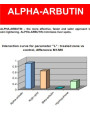
Alpha Arbutin (Switzerland)

Safe-B3™ (Vitamin B3, Niacinamide)
GlucoBright™ (Acetyl Glucosamine)
Propylene Glycol (USP)
Glycerin (USP/Food Grade)
Double Hyaluron Liquid
Tranexamic Acid (Trans-White™)