Serum Formulation Issues: pH, Stability, Viscosity, and Azelaic Acid Precipitation
Question
I am developing a serum formulation using Silky Serum Base with the following ingredients:
- Azelaic Acid (Liquid Azelaic™) 10%
- Vitamin B3 (Niacinamide) 5%
- N-Acetyl-D Glucosamine 4%
- Alpha Arbutin 2%
- Natural Betaine 5%
- Natto Gum 5%
- Phenoxyethanol 1%
- Silky Serum Base 30%
- Water 38%
Based on this formula, I have several questions:
- What is the appropriate pH range for this formula, considering the optimal pH for Azelaic Acid (Liquid Azelaic™) (pH 5-11) and Alpha Arbutin (pH 3.5-6.5)?
- Do I need to use heat when mixing the ingredients with Silky Serum Base?
- What is the correct mixing order for these ingredients, especially since some ingredients like Azelaic Acid and Alpha Arbutin have different pH requirements for stability?
- Is the correct pH adjustment process to mix everything first, measure the pH, and then adjust? How long does it take for the pH to stabilize?
- How can I make the serum more liquid (suitable for a dropper bottle) when using Silky Serum Base? Do I need an additional emulsifier like Silisolve to add silicone?
- Is it normal for the pH to change after adding the Silky Serum Base? Does measuring pH at cold temperatures affect the reading?
- When I refrigerate the serum, a white powder precipitates out, but it redissolves when it warms up. What is this, and is the product still usable? How can I prevent this precipitation?
- Is this formula suitable for acne-prone skin?
Answer
Serum Formulation Analysis and Mixing Guide
Based on your revised formula and the discussion, here's an analysis and answers to your questions:
Formula Analysis
Your revised formula using Silky Serum Base is a good approach for creating a lightweight serum suitable for brightening, achieving a 'Korean glow' effect, and controlling oiliness. The combination of active ingredients targets multiple concerns:
- Azelaic Acid (10%): Known for its ability to reduce hyperpigmentation, control oil, and help with acne. Note that at 10%, it can be potent and may cause precipitation at low temperatures.
- Vitamin B3 (Niacinamide) (5%): Works synergistically with N-Acetyl-D Glucosamine for whitening, improves skin barrier function, reduces redness, and helps regulate oil production.
- N-Acetyl-D Glucosamine (4%): Aids in reducing dark spots and stimulating hyaluronic acid production for hydration, working best in combination with Vitamin B3.
- Alpha Arbutin (2%): A well-known skin brightener that inhibits melanin production.
- Natural Betaine (5%) & Natto Gum (5%): These ingredients are excellent for providing hydration and reducing potential irritation from the active ingredients, improving skin comfort and feel.
- Phenoxyethanol (1%): Acts as a preservative to keep the formula stable and safe from microbial growth.
- Silky Serum Base (30%) & Water (38%): This base system creates the serum texture. As discussed, the ratio of base to water/silicone affects the final viscosity.
Answers to Your Questions
Azelaic Acid and Alpha Arbutin pH: You should primarily follow the pH range recommended for the final product or the stability range of the ingredient in a finished formula. For Azelaic Acid (Liquid Azelaic™), the pH range is 5-11. For Alpha Arbutin, the stable pH range is 3.5-6.5. To accommodate both, the final pH of your serum should be adjusted to fall within the overlapping range, ideally around pH 6, as suggested in the discussion.
Using Heat: While Warp Cream Maker typically requires heat for proper emulsification, your revised formula uses Silky Serum Base. For this base, dissolving water-soluble powders in the water phase might be easier with gentle warming, but the base itself doesn't necessarily require high heat for mixing with the water phase. Follow the specific mixing instructions for the base.
Mixing Order with Different pH Ingredients: You can dissolve all your water-soluble ingredients (Azelaic Acid, Vitamin B3, N-Acetyl-D Glucosamine, Alpha Arbutin, Natural Betaine, Natto Gum, Phenoxyethanol) into the water phase first, regardless of their individual raw material pH. The pH adjustment using an acid (like Lactic Acid or Citric Acid) should be done after all ingredients are fully combined into the final serum mixture. Adjust the pH gradually while stirring and measure at room temperature (20-25°C) until it stabilizes in the target range (around pH 6).
pH Adjustment Process: Yes, the process involves mixing all components first, then measuring the pH of the final mixture, and gradually adding a pH adjuster while stirring until the desired pH is reached. You need to ensure the final pH is suitable for all active ingredients in the formula. It's normal for pH to take some time to stabilize, especially after adding acidic or alkaline substances.
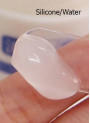
Adjusting Viscosity with Silicone: To make the serum more liquid (suitable for a dropper bottle) when using Silky Serum Base, you need to increase the proportion of silicone (like Cyclomethicone) and decrease the water percentage. The Silky Serum Base description confirms that adding Cyclomethicone or Dimethicone makes the serum more liquid. You'll need to experiment to find the exact ratio that gives you the desired viscosity. You do not need an additional emulsifier like Silisolve when using Silky Serum Base to incorporate silicones.
pH Change After Adding Base & Stability: It's possible for the pH to change when combining the water phase with the Silky Serum Base. Always measure and adjust the pH of the final mixture at room temperature (20-25°C). pH can be sensitive to temperature, so measuring at cold temperatures (like straight from the refrigerator) will give an inaccurate reading. Allow the serum to come to room temperature before measuring pH. The pH might take some time to fully stabilize after adjustment.
Precipitation in Refrigerator: The white powder observed when the serum is refrigerated is very likely the Azelaic Acid precipitating out. Azelaic Acid's solubility in water decreases significantly at lower temperatures. This is a common issue with high concentrations of Azelaic Acid. While the precipitate dissolving upon warming suggests the ingredient is still present, it indicates instability at cold temperatures. To prevent this, you could try reducing the Azelaic Acid concentration or slightly increasing the water phase relative to the Silky Serum Base. Storing the serum at a stable room temperature (away from direct sunlight and heat) is generally recommended, or in a cool place (12-15°C) if possible, but avoid refrigeration if it causes precipitation. The product may still be usable if the precipitate redissolves and the overall formula remains stable otherwise.
Suitability for Acne: The formula contains ingredients beneficial for acne-prone skin, such as Azelaic Acid and Vitamin B3, which help with oil control and reducing inflammation/redness. However, the high concentration of actives means it could potentially cause initial irritation, especially on sensitive or actively inflamed skin. It's best to start with a patch test and introduce it gradually if you have active acne.
Remember to follow the specific mixing instructions for the Silky Serum Base, adding the water phase gradually to the base while stirring. Ensure thorough mixing for a stable serum.
Related Products Mentioned
Alpha Arbutin (Switzerland)

Safe-B3™ (Vitamin B3, Niacinamide)
GlucoBright™ (Acetyl Glucosamine)
Phenoxyethanol (Extra Pure)
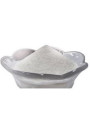
Natural Betaine (Crystal)

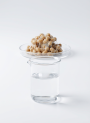
Natto Gum Extract