Serum Formulation Issues: Precipitation, Texture, and Stinging
Question
I have a serum formulation using the following ingredients:
- Salicylic Acid EZ (1%)
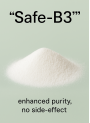
- Niacinamide (Safe-B3)
- Soy Extract
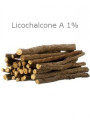
- Licorice Extract
- Pro Polymer (1%)
- Phenoxyethanol
After refrigerating the serum, white, stringy clumps appeared. When using the serum on my face, it feels sticky but dries down eventually. However, it doesn't seem to absorb well into the skin, as I notice a slippery gel residue when washing my face in the morning. Additionally, it stings quite a bit on acne spots with broken skin.
Could you please explain why the clumping occurs, whether the serum is still usable, and how to improve the texture and absorption while preventing the clumping and minimizing stinging on broken skin?
Answer
Understanding Your Serum Issue
It sounds like you've encountered a common challenge when formulating serums with multiple active ingredients: precipitation and texture issues.
What are the white, stringy clumps?
The white, stringy clumps that appeared after refrigerating your serum are most likely caused by some of the ingredients precipitating or crystallizing out of the solution. This can happen when the ingredients are not fully compatible at certain concentrations or temperatures.
Based on your formula, potential culprits for this precipitation, especially at cooler temperatures, include:
- Salicylic Acid: While you used a water-soluble type, salicylic acid's solubility is highly dependent on pH and temperature. It can easily precipitate if the conditions aren't optimal.
- Soy Extract (Isoflavones): Some plant extracts can also become less soluble and form sediment or clumps, particularly under refrigeration or if the concentration is high.
- Licorice Extract: The description for Licorice Extract mentions that long-term storage in the refrigerator may cause sediment, although it states this does not affect efficiency and can be resolved by warming and blending.
The "stringy" appearance is likely due to these precipitates forming within the gel structure created by the Pro Polymer.
Can the serum still be used?
While the serum might not be harmful, its stability and effectiveness are compromised. The active ingredients are no longer evenly distributed throughout the product, meaning you won't get the intended benefits consistently. It's generally recommended not to use formulations that show signs of precipitation or separation.
How to fix the issue?
To prevent this from happening in future batches and improve the texture:
- Check and Adjust pH: Ensure the pH of your final formula is within the optimal range for all ingredients, especially Salicylic Acid and Niacinamide (Safe-B3). Salicylic Acid requires an acidic pH for efficacy, but solubility increases as pH rises slightly within its acceptable range. Niacinamide is stable over a broader range but ideally between 4.0-7.0. The pH of the Licorice Extract is 3.9-5.9. Aiming for a pH around 4.0-5.0 might be a good balance, but you may need to experiment.
- Consider a Solubilizer: Depending on the specific type of Salicylic Acid EZ used, you might need a dedicated solubilizer to keep it fully dissolved, especially at 1% concentration and when combined with other ingredients.
- Review Ingredient Concentrations: If precipitation persists, you might need to slightly reduce the concentration of ingredients prone to precipitation, such as Salicylic Acid or Soy Extract, or increase the water percentage.
- Adjust Pro Polymer Concentration: The sticky feeling and poor absorption you experienced are likely due to the Pro Polymer. While 1% creates a gel, it can feel heavy or sticky. The description suggests 0.8% for a general gel texture. Reducing the Pro Polymer to 0.8% or even 0.5% could significantly improve the texture and skin feel without losing the gel consistency.
- Mixing Method: Ensure the Pro Polymer is fully hydrated and dissolved before adding other ingredients, especially electrolytes or extracts that might interfere with its gelling ability. The description provides specific mixing tips, like pre-dispersing in glycerin if used, or allowing it to hydrate fully in water overnight before final blending.
- Storage: If refrigeration causes precipitation, store the serum at room temperature instead, ensuring your preservative system (Phenoxyethanol) is adequate for room temperature storage.
Regarding the stinging on broken skin, this is a common side effect of Salicylic Acid, which is an exfoliant. It is expected to cause some sensation on compromised skin.
By adjusting the pH, potentially using a solubilizer, optimizing ingredient concentrations, and refining your mixing technique, you should be able to create a stable, clear serum with a better texture.
Related Products Mentioned
Safe-B3™ (Vitamin B3, Niacinamide)