Serum Formulation: Mixing Oil/Water Phases, Silicone Alternatives, and Retinal Addition
Question
I am trying to formulate a serum and am having trouble mixing the ingredients. Some ingredients are oil-soluble. How should I mix them? Do I need to add oil?
Regarding the silicone components (items 8, 9, 10) in the formula below, are there ready-to-use alternatives that do not require emulsifying with water?
Should Retinal be added as the very last ingredient after everything else is mixed? What else should be added to this formula?
Here is the list of ingredients:
- Retinal (oil-soluble)
- Vitamin E (oil-soluble)
- Hyaluronic Acid
- Vitamin B3
- Calendula Extract (Lutein)
- Vitamin C
- LipidSoft dry
- Warp Cream Maker
- Cyclomethicone
- Silicone Gel
- Water
I am stuck and need help. Thank you.
Answer
Hello! Making a serum with both oil-soluble and water-soluble ingredients can be a bit complex, but it's definitely achievable. Let's break down your questions:
1. Mixing Oil-Soluble Ingredients and the Need for Oil:
Yes, since ingredients like Retinal and Vitamin E are oil-soluble, they need to be dissolved in an oil phase. Your formula includes LipidSoft dry and silicones (Cyclomethicone, Silicone Gel), which form this oil/silicone phase. The formula is designed as an emulsion (likely water-in-silicone or water-in-oil) because it contains both water and oil/silicone components along with an emulsifier (Warp Cream Maker).
To mix:
- Prepare the oil/silicone phase by combining LipidSoft dry, Cyclomethicone, Silicone Gel, Retinal, and Vitamin E. Ensure Retinal and Vitamin E are fully dissolved.
- Prepare the water phase by combining Water, Hyaluronic Acid, Vitamin B3, Calendula Extract, and Vitamin C.
- Use Warp Cream Maker to combine these two phases. Warp Cream Maker is an emulsifier that helps create a stable mixture of oil and water. Follow the specific instructions for Warp Cream Maker, which usually involves slowly adding the water phase to the oil/silicone phase while mixing thoroughly.
2. Silicone Alternatives (Items 8, 9, 10):
Warp Cream Maker (8), Cyclomethicone (9), and Silicone Gel (10) work together to create the texture and stability of this specific type of serum (likely a silicone-based emulsion). Warp Cream Maker is the emulsifier that allows the water phase to be incorporated into the silicone/oil phase.
Finding ready-to-use alternatives that provide the same feel and stability without needing to emulsify with water is challenging because the formula is built around this emulsion system. Simple alternatives might result in separation or a completely different texture. If you want to avoid the emulsification process entirely, you would need a fundamentally different formula base (e.g., a pure oil serum, which wouldn't work for your water-soluble ingredients, or a pre-made emulsion base, which would replace these components).
3. Retinal Addition Order:
Retinal is sensitive to heat and light. It should be dissolved in the oil/silicone phase before the emulsification step. When combining the oil and water phases using Warp Cream Maker, it's best to do this at room temperature or a low temperature if the emulsifier allows, to protect the Retinal. Adding it completely last to the finished serum might not ensure it's fully and evenly dispersed, especially in an emulsion.
4. Additional Formula Components:
Based on your list, I highly recommend adding a Preservative to prevent bacterial and fungal growth, as the serum contains water. Without a preservative, the product can become contaminated and unsafe to use very quickly.
You might also consider adding:
- Chelating Agent (e.g., Disodium EDTA): Helps improve stability by binding metal ions that can cause degradation, especially for Vitamin C and Retinal.
- pH Adjuster: The pH of the final serum should be adjusted to a skin-compatible range (typically 5.0-6.0) and potentially optimized for the stability of active ingredients like Vitamin C and Retinal (which often prefer slightly different pH ranges, requiring a compromise).
In summary, your formula requires careful mixing of oil/silicone and water phases using an emulsifier. The silicones and emulsifier are key to the intended texture. Add Retinal dissolved in the oil phase before emulsification, ideally at a lower temperature. Crucially, add a preservative and consider a chelating agent and pH adjustment for safety and stability.
Hope this helps you continue with your serum making!
Related Products Mentioned
Vitamin E (Tocopheryl Acetate)

Safe-B3™ (Vitamin B3, Niacinamide)

Calendula Extract (Water Soluble)
Vitamin C (L-ascorbic acid) (Ultra-Fine)
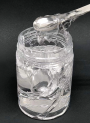
Silicone Gel (Ultra Clear, Super Silky)
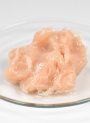
Warp Cream Maker™ (e.q. Nikkomulese wo)
Double Hyaluron Liquid

Purified Water, TDS Limit 1PPM)