Serum Formulation & Mixing Procedure for Combination Skin (Oily T-zone, Dry Cheeks)
Question
I have combination skin with an oily T-zone, blackheads on my nose, and dry, peeling cheeks and forehead with redness and uneven skin tone.
I am developing a serum formulation with the following ingredients:
- Water: 85%
- Safe-B3: 4%
- GlucoBright: 4%
- Alpha Arbutin: 2%
- Double Hyaluron Liquid: 2%
- Pro Polymer: 1%
- Zinc PCA: 1%
- Phenoxyethanol: 1%
I have two questions regarding the mixing procedure:
- Should ingredients 1-4 (Safe B3, GlucoBright, Alpha Arbutin, Double Hyaluron) be mixed with water first, then add the preservative (Phenoxyethanol)?
- After mixing the initial ingredients, should I form the gel with Pro Polymer and then add Zinc PCA last?
Answer
Serum Formulation for Combination Skin
Thank you for providing your serum formulation and questions about the mixing process. It's a good approach to address your combination skin concerns, including oiliness, dryness, redness, and uneven tone, with ingredients like Niacinamide, Acetyl Glucosamine, Alpha Arbutin, Hyaluronic Acid, and Zinc PCA.
We also note the staff's request for more details about your current skincare routine. Providing this information will help ensure the formula is suitable and doesn't interact negatively with other products you are using, especially if irritation or dryness is a concern.
Regarding your mixing questions:
Should ingredients 1-4 (Safe B3, GlucoBright, Alpha Arbutin, Double Hyaluron) be mixed with water first, then add the preservative (Phenoxyethanol)?
Mixing Safe B3, GlucoBright, and Double Hyaluron with water initially is correct as they are water-soluble. However, Alpha Arbutin should ideally be added later, after the mixture has cooled down (below 30°C), to maintain its stability. Phenoxyethanol (preservative) can be added at various stages, but adding it towards the end is common practice.After mixing in step 1, should you form the gel with Pro Polymer and then add Zinc PCA last?
Forming the gel with Pro Polymer should be done after dissolving the initial water-soluble ingredients (Safe B3, GlucoBright) in water. Zinc PCA is an electrolyte and should indeed be added after the gel has fully formed to avoid interfering with the gelling process.
Here is a recommended step-by-step process for preparing 100g of your serum, which optimizes for ingredient stability and proper gel formation:
- In a clean container, combine the Water (85g) with Safe-B3 (4g) and GlucoBright (4g). Stir until both powders are completely dissolved.
- Slowly sprinkle Pro Polymer (1g) onto the surface of the liquid mixture from step 1 while stirring gently. Continue stirring until the Pro Polymer is fully hydrated and a smooth gel texture is formed. Avoid high-speed blending. Allow sufficient time for the gel to fully develop.
- Add Double Hyaluron Liquid (2g) to the gel base. Mix thoroughly until evenly incorporated. (Note: Double Hyaluron Liquid contains 0.8% Phenoxyethanol).
- Ensure the temperature of the mixture is below 30°C. Add Alpha Arbutin (2g). Stir gently until the powder is completely dissolved.
- Add Zinc PCA (1g). Stir until completely dissolved.
- Finally, add the Phenoxyethanol (1g). Mix thoroughly to ensure it is evenly distributed throughout the serum. (Note: With the Phenoxyethanol already present in Double Hyaluron Liquid, the total concentration of Phenoxyethanol in your final formula will be slightly over 1%).
This revised order addresses the specific requirements of Alpha Arbutin and the interaction between Pro Polymer and Zinc PCA.
Related Products Mentioned
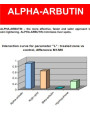
Alpha Arbutin (Switzerland)
Safe-B3™ (Vitamin B3, Niacinamide)
GlucoBright™ (Acetyl Glucosamine)
Phenoxyethanol (Extra Pure)
Pro Polymer™ (Gel Maker)
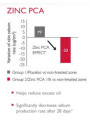
Zinc PCA