Serum Formulation: Mixing Procedures, Stickiness, and Dry Skin Recommendations
Asked by: jaojomplon1990
On: February 22, 2018
Product Type:
Cosmetics
Answered
Question
I am formulating a serum and have questions regarding specific ingredients and procedures.
- Regarding the use of
Phospholipid, my understanding is to dissolve all water-soluble ingredients in water first, then addPhospholipid. AfterPhospholipidis well dissolved, I would then addSatin Cream Maker™to the water phase, and finally add the oil phase andpreservativeas the last step. Is this mixing procedure correct? - In this formulation, I am also using
AnyGel™. At which step should I incorporateAnyGel™for correct mixing? - Additionally, I am concerned about the serum's texture being too sticky and need advice on addressing dry skin, particularly when using Retin-A. I am also using
Hi-Quercetin®and would like to know its suitability for daytime use.
Answer
Hello,
Regarding the serum formula you provided, it can be mixed with some additional recommendations from our team.
- Regarding Stickiness: Our team believes this formula is not excessively sticky due to the "oil" components you listed (some of which are not typical oils). However, the stickiness might be caused by the relatively high concentration of Vitamin B5 (Panthenol) at 5%, even using the ExtraLite™ type. We recommend reducing the amount of Vitamin B5 (Panthenol) to 3%. This amount is sufficient to provide good results and will help reduce stickiness, resulting in a more comfortable serum texture.
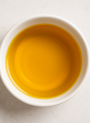
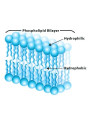
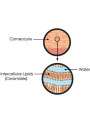
- Phospholipid Mixing Procedure: The procedure you described is not entirely correct. Phospholipid should be added in the final step by stirring or blending it into the formula after the water and oil phases have been combined. This is because Phospholipid requires both phases (water and oil) to incorporate well. (Our team suggests that if you wish to use Phospholipid, you might consider adding oil/occlusive ingredients like Cerasoft™, Siliwax Lite, or Jojoba Oil to help Phospholipid incorporate into the formula more easily.) The preservative (Phenoxyethanol SA) can be added in the final step, which is correct.
- AnyGel™ Mixing Procedure: AnyGel™ should be mixed with pure water first as the initial step. This makes it easiest to dissolve, especially if using warm water at 70-80°C, which helps it dissolve much better. (Sprinkle AnyGel™ gradually into the warm water while stirring/blending, avoiding adding a large amount at once to prevent clumping.) Once AnyGel™ is well dissolved in the water, you can proceed with the next steps of your formulation.
Additional Recommendations Regarding Ingredients:
- Vitamin B5 (Panthenol): We recommend reducing it to 3% to reduce stickiness as mentioned above.
- Hi-Quercetin®: This ingredient has a dark color and is suitable for nighttime use only. If you intend to use this serum both day and night, we recommend omitting Hi-Quercetin® and potentially considering other colorless anti-irritant ingredients instead.
- For Dry Skin from Retin-A and Air Conditioning: To enhance moisturizing effectiveness and reduce skin water loss, our team recommends adding occlusive ingredients to the formula. These ingredients will work synergistically with the water-soluble moisturizers you have selected, helping the skin recover moisture faster and become stronger. Examples of occlusive ingredients include Ezerrawax™ (requires heat for melting), Cerasoft™, Siliwax Lite, or slightly heavier natural oils like Jojoba Oil.
We hope this advice is helpful in refining your serum formula.
Related Products Mentioned
Jojoba Oil (Golden - Deodorized)
Cosmetics

Panthenol (Vitamin B5) ExtraLite™
Cosmetics
Phospholipid
Cosmetics
Cerasoft™ (Synthetic Ceramide)
Cosmetics
AnyGel™ (Dehydroxanthan Gum)
Cosmetics
Ezerwax™
Cosmetics

Siliwax Lite (Cetyl Dimethicone)
Cosmetics