Serum Formulation: Pro Polymer Mixing, Ingredient Usage, and Toner Compatibility
Question
I am making my own serum and encountered issues with the gel maker, Pro Polymer™, which did not dissolve properly and formed lumps despite mixing. Previously, I received advice regarding the mixing order. I am confused because the staff mentioned that all ingredients can be mixed together in one step.
I am considering removing Natural Moisturizing Amino Acids 5% and Double Hyaluron Liquid 10% from my serum formula because I am concerned that if there isn't enough water in the serum, Hya might draw water from my skin instead (based on reading about a formula using Hya 1% in 99% water). I plan to use these two ingredients in a separate toner formula.
Could you please clarify:
- Why did the staff say all ingredients can be mixed in one step, contradicting the advice about Pro Polymer™?
- Is my concern about Hya drawing water from the skin valid if I remove the other moisturizing ingredients?
- Can
Natural Moisturizing Amino AcidsandDouble Hyaluron Liquidbe mixed together in a toner formula? - Will
Natural Moisturizing Amino Acidsaffect the viscosity ofDouble Hyaluron Liquidin a toner formula?
Additionally, based on the previous discussion:
- Do the air bubbles created during mixing affect the quality or efficacy of the ingredients?
- Are the brown plastic bottles suitable for light-sensitive ingredients?
- What are some alternative gel-forming agents that are easier to dissolve than Pro Polymer™?
- What small handheld mixing tools are available besides a milk frother?
Answer
Hello. I understand you are making your own serum and have questions about mixing and ingredients. Based on the discussion with chalermlap and the staff, here is a summary and additional advice:
Regarding the mixing order and dissolving Pro Polymer™ (Gel Maker):
- What chalermlap explained is correct. The problem you encountered with Pro Polymer™ being difficult to dissolve and forming lumps is due to the order of adding ingredients. Pro Polymer™ is a gel-forming agent that requires a sufficient amount of water to swell properly. If you add it in the final steps when most of the water has been used to dissolve other ingredients, it will be difficult for Pro Polymer™ to access the water and dissolve completely.
- The staff's advice that "Can be mixed together in one step" might be general advice for simple formulas or using other types of gel-forming agents that dissolve more easily. However, for Pro Polymer™, which is an Acrylate Crosspolymer, it is necessary to have a separate step for preparing the gel base in an appropriate amount of water first.
- Therefore, the mixing method recommended by chalermlap (preparing the gel base from a portion of the water with Pro Polymer™ first, then gradually adding other ingredients) is the correct and suitable method for this gel-forming agent.
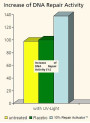
- For Repair Activator™ (ID 259), according to chalermlap's steps, it should be added along with other active ingredients (such as B3, GlucoBright, Amino Acids, Hya) after the gel base has been prepared.
Regarding removing Natural Moisturizing Amino Acids and Double Hyaluron Liquid from the serum formula:
- Natural Moisturizing Amino Acids (ID 214) and Double Hyaluron Liquid (ID 404) are good moisturizing agents and help strengthen the skin barrier, which aligns with your goal of having stronger and moisturized skin. Removing these two from the serum formula will make your serum less moisturizing and less effective for strengthening the skin.
- The concern that Hya will draw water from the skin if there is not enough water in the formula is a slight misunderstanding. Hyaluron will draw water from a higher humidity environment to a lower humidity area. In very dry conditions, Hya might draw some water from deeper skin layers, but generally, Hya in skincare formulas helps draw water from the air or the water in the formula into the skin, making the skin more moisturized. Having Hya and Amino Acids in the serum formula as you originally intended (or adjusted according to chalermlap's advice) will provide better hydration and reduce the risk of skin dehydration.
- You can use Natural Moisturizing Amino Acids and Double Hyaluron Liquid to make a "toner" formula. These two ingredients are compatible, and Natural Moisturizing Amino Acids (ID 214) does affect the viscosity of gels (making them less viscous), as chalermlap mentioned. However, in a toner formula that is intended to be watery, the effect on viscosity might not be as noticeable as in a gel formula.
Regarding air bubbles:
- As chalermlap confirmed, the air bubbles created during mixing do not affect the quality or efficacy of the ingredients. Air bubbles are primarily an aesthetic issue and will gradually disappear over time, although it may take longer in a viscous gel.
Regarding the brown bottle:
- The brown plastic bottles sold by the company can help protect against light, similar to amber glass bottles. They are suitable for packaging light-sensitive ingredients such as Stabilized Vitamin C (Natural-C Glycol™) (ID 486) to help maintain the quality of the ingredient.
Regarding alternative gel-forming agents and mixing tools:
- Gel-forming agents that are easier to dissolve than Pro Polymer™: There are several options, such as Carbomer types that come as pre-dispersed liquids (Pre-neutralized liquid polymers) or certain types of Gums like Xanthan Gum or Sclerotium Gum. Some of these may dissolve more easily in cold water, but they might have limitations regarding texture or compatibility with certain ingredients. It is advisable to research the information of each ingredient before choosing.
- Small handheld mixing tools: The milk frother you used is a good example of a small handheld mixer. You can find other small handheld mixers designed for mixing small amounts of liquids in small science supply stores, baking supply stores, or general online marketplaces (e.g., Shopee, Lazada). Look for tools with a small mixing head that can be submerged in your mixing container.
In summary, your revised formula contains good active ingredients. The main issue you encountered was the mixing technique for Pro Polymer™, for which chalermlap provided correct advice. Adjusting the mixing order accordingly will help you achieve a smoother gel texture. Air bubbles and the brown bottle do not affect product quality. If you want easier mixing in the future, you might consider other types of gel-forming agents that are easier to dissolve than Pro Polymer™.
I hope this explanation is helpful. If you have any further questions, feel free to ask.
Related Products Mentioned
Safe-B3™ (Vitamin B3, Niacinamide)
GlucoBright™ (Acetyl Glucosamine)
Phenoxyethanol (Extra Pure)
Pro Polymer™ (Gel Maker)
Double Hyaluron Liquid