Serum Formulation Review: Acne, Sensitive Skin, pH & Texture Challenges
Question
Review of a serum formulation containing Niacinamide, Ascorbyl Glucoside, Centella, Tea Tree Oil, Licorice, Willow Bark, Squalane, Ceramide, Sodium Acetylated Hyaluronate, Allantoin, and Chamomile Extract, targeting acne, redness, dark spots, pores, and hydration, for suitability for normal to sensitive skin, and potential formulation issues.
Answer
Serum Formulation Review
Your serum formulation includes a comprehensive list of ingredients targeting acne, redness, dark spots, pore size, and hydration. The combination of ingredients like Niacinamide, Ascorbyl Glucoside, Centella Asiatica Extract, Tea Tree Oil, Licorice Extract, Willow Bark Extract, Squalane, Ceramide 3, Sodium Acetylated Hyaluronate, Allantoin, and Chamomile Extract offers a multi-faceted approach to skin concerns.
Here are some points to consider regarding the formulation:
Potential Conflicts and Considerations
pH Compatibility: A significant challenge in this formulation is achieving a single pH that is optimal for the stability and efficacy of all active ingredients.
- Ascorbyl Glucoside is most stable at a pH of 6.5-6.8.
- Niacinamide is stable in a broader range (pH 3-8), but ideally performs well around pH 4-7.
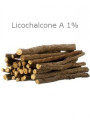
- Centella Asiatica Extract (Madecassoside 90%), Licorice Extract (Licochalcone A 1%), and Willow Bark Extract (Natural Salicylic Acid) generally require a pH in the range of 3.5-6.5 or 4-6.5 for optimal stability and function.
- Allantoin is best at pH 4-8.
- Natural Bisabolol (from Chamomile) is stable in a wide range (pH 3-11).
Maintaining Ascorbyl Glucoside's stability at pH 6.5-6.8 might compromise the efficacy or stability of ingredients that prefer a slightly lower pH. Conversely, formulating at a lower pH optimal for other actives could lead to the degradation of Ascorbyl Glucoside. Careful pH adjustment and stability testing are crucial, and a compromise pH might be necessary, potentially impacting the full potential of some ingredients.
Ingredient Solubility: The formula contains both water-soluble (Niacinamide, Ascorbyl Glucoside, Sodium Acetylated Hyaluronate, Allantoin, Licorice Extract, Willow Bark Extract) and oil-soluble ingredients (Squalane, Ceramide 3, Tea Tree Oil, Natural Bisabolol). To create a stable serum, you will need an effective emulsification system to blend these phases properly.
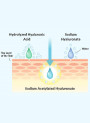
Sodium Acetylated Hyaluronate Concentration: The proposed 1% concentration of Sodium Acetylated Hyaluronate is higher than the typical recommended usage rate of 0.01-0.1%. While this ingredient is excellent for hydration and skin feel, using it at 1% will likely result in a very thick, potentially gel-like texture, which may or may not be the desired consistency for your serum.
Tea Tree Oil Type and Concentration: You listed "Tea Tree Oil (Extra Grade) use 0.3%". Based on product information, Acne-TT™ (Standardized Tea Tree Extract For Acne) is an oil-soluble extract with a high concentration of the active component Terpinen-4-ol, and its recommended usage rate is 0.1-0.5%. Your 0.3% fits well within this range and aligns with the serum's acne focus. Standard water-soluble Tea Tree Oil products are typically used at higher concentrations (1-2% for face). Assuming you intend to use an ingredient specifically for acne efficacy at this concentration, Acne-TT™ seems appropriate, but remember it is oil-soluble and needs to be incorporated into the oil phase.
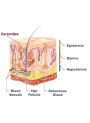
Ceramide 3 Type and Solubility: You listed "Ceramide 3(NP) use 0.1%". The standard Ceramide 3 (Ceramide NP) powder is recommended at 0.01-0.2% (with 0.1% being the recommended rate) but is oil-soluble and requires heating to dissolve. Ceracare™ NP50 is a water/oil dispersible option with 50% Ceramide NP, recommended at 0.1-0.5% (yielding 0.05-0.25% Ceramide NP in the final product). Your 0.1% usage aligns with the recommended rate for the standard Ceramide 3 powder, which will require incorporating an oil phase and heating during manufacturing.
Chamomile Extract Type and Solubility: Assuming you are using Natural Bisabolol as your Chamomile Extract at 1%, this ingredient is oil-soluble and should be mixed in the oil phase or emulsifier.
Suitability for Normal to Sensitive Skin
The formulation includes several ingredients known for their soothing and barrier-supporting properties (Centella Asiatica Extract, Allantoin, Squalane, Ceramide 3, Chamomile Extract). However, the combined concentration of multiple potent actives targeting acne and brightening (Niacinamide 4%, Ascorbyl Glucoside 3%, Willow Bark Extract 3%, Tea Tree Oil 0.3%, Licorice Extract 2%) could potentially be irritating for sensitive skin, especially given the pH challenges.
It is highly recommended to perform patch testing with the final product, particularly for individuals with sensitive skin. You might consider offering a version with slightly lower concentrations of the more potent actives or advising users with very sensitive skin to introduce the product gradually.
Overall Assessment
The formulation contains a powerful blend of ingredients that can effectively target acne, reduce inflammation and hyperpigmentation, and improve skin hydration and texture. The main technical challenge lies in managing the pH requirements for optimal stability and efficacy of all actives, particularly Ascorbyl Glucoside in combination with the lower-pH-preferring extracts. The high concentration of Sodium Acetylated Hyaluronate will significantly impact the texture. For sensitive skin, the overall concentration of actives warrants careful consideration and testing.
By addressing the pH compatibility, confirming ingredient types and their solubility, and considering the texture impact of Sodium Acetylated Hyaluronate, you can refine this formulation to create a potent and effective serum.
Related Products Mentioned
Safe-B3™ (Vitamin B3, Niacinamide)

Allantoin
Natural Bisabolol (Brazil Chamomile)