Serum Formulation Review and Advice
Question
I have a serum formula and would like advice on the following points:
1. Can this formula be made into a serum? Is the pH suitable for the face?
2. What is the mixing order? Can I mix them one by one?
3. Can I add Sodium PCA at 5% and Sodium Lactate at 2%?
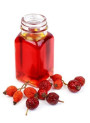
4. Is the Rose Hip Oil still usable after being stored at room temperature?
Answer
Serum Formulation Review and Advice
Based on the formula you provided and your skin concerns, here is a review and some advice:
1. Can this formula be made into a serum? Is the pH suitable for the face?
Yes, the ingredients you listed are suitable for creating a serum, which is typically a water-based product with active ingredients. The combination of ingredients targets various concerns like brightening, anti-aging, and hydration.
Regarding pH, Ascorbyl Glucoside (Liquid AA2G™) is most stable in a pH range of 6.5-6.8. While the base formula might be mildly acidic, as mentioned in the previous reply, you will need to measure the pH after mixing all ingredients and adjust it using Triethanolamine to be within the optimal range for Ascorbyl Glucoside stability (6.5-6.8). This pH range is generally suitable for facial skin, although some active ingredients perform optimally at lower pH levels. However, prioritizing the stability of Ascorbyl Glucoside is important for its effectiveness.
2. What is the mixing order? Can I mix them one by one?
For water-soluble ingredients like most of those in your formula (Ascorbyl Glucoside, Glucosamine, Vitamin B3, Alpha Arbutin, Phenoxyethanol, Apple Stem Cell Extract, MYFerment™ Balance, Sodium PCA, Sodium Lactate), the mixing order generally does not matter significantly, as long as they are fully dissolved in the water phase. You can typically add them one by one to the water phase, ensuring each ingredient is fully dissolved before adding the next.
However, there are a few points to note:
- Ascorbyl Glucoside (Liquid AA2G™): This ingredient is acidic and its stability is highly dependent on pH (optimal 6.5-6.8). It is recommended to mix it into the water phase and then adjust the pH to the target range using Triethanolamine. Some sources suggest using a Citrate Buffer or L-Arginine when dissolving AA2G to help manage the initial low pH, but adjusting with Triethanolamine afterwards is necessary to reach the stable range.
- Temperature: Ensure the water phase is below 50°C when adding Ascorbyl Glucoside and below 40°C when adding Apple Stem Cell Extract and MYFerment™ Balance to maintain their efficacy.
- Thickening: As suggested in the previous reply, you might consider adding a gelling agent (like Xanthan Gum, not listed in your formula but commonly used) to give the serum a more viscous texture, which can make it easier to apply and prevent waste compared to a very watery solution.
- Phenoxyethanol: This preservative can be added at any step, but the temperature should be below 80°C.
A general mixing approach could be: Dissolve water-soluble ingredients (except those sensitive to higher temps) in the water phase. Add temperature-sensitive ingredients (Apple Stem Cell Extract, MYFerment™ Balance) once the mixture cools below their recommended maximum temperature. Add Phenoxyethanol. Finally, measure and adjust the pH to 6.5-6.8 using Triethanolamine.
3. Can I add Sodium PCA and Sodium Lactate?
You have Sodium PCA and Sodium Lactate and asked if you can add them at 5% and 2% respectively. Both Sodium PCA and Sodium Lactate are excellent humectants (moisture retainers) and are part of the skin's Natural Moisturizing Factor (NMF). Sodium Lactate can also have a gentle skin-lightening effect at higher concentrations (above 3%).
Given your skin type (combination, oily T-zone), adding both Sodium PCA at 5% (which is higher than the typical recommended 0.5-2%) and Sodium Lactate at 2% might make the serum too moisturizing and potentially exacerbate oiliness in the T-zone, as noted in the previous reply. While they offer great hydration benefits, consider if your skin truly needs this much additional moisture, especially with other hydrating ingredients potentially present in the base formula (like Glucosamine).
If you decide to add them, the recommended usage rate for Sodium PCA is 0.5-2% and for Sodium Lactate is 2-10%. Adding 5% Sodium PCA might be excessive for combination skin. Adding 2% Sodium Lactate is within the typical moisturizing range.
Consider starting without them or adding them at lower concentrations (e.g., 1-2% Sodium PCA and 2% Sodium Lactate) and seeing how your skin reacts. If your skin feels balanced and not overly oily, you could potentially increase the Sodium Lactate concentration for its gentle lightening effect, but be mindful of potential irritation if using above 3% and ensure sun protection.
4. Is the Rose Hip Oil still usable after being stored at room temperature?
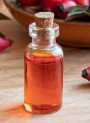
Rose Hip Oil, especially virgin or extra virgin types, is rich in unsaturated fatty acids which are prone to oxidation when exposed to heat, light, and air. While storing it in a dry, dark place at room temperature is better than direct sunlight or heat, refrigeration is generally recommended for long-term storage to maintain its freshness and efficacy.
Storing it at room temperature for a month, even in a dry, dark place, means it has been exposed to conditions that accelerate degradation compared to refrigeration. The oil might still be usable, but its quality (potency and freshness) may have decreased. Signs that the oil has gone bad include an off smell (rancid or paint-like), a change in color (darker or cloudy), or a change in texture.
If the oil still smells and looks normal, you could try using a small amount on a test patch of skin (like your inner arm) to see if there is any adverse reaction. However, for optimal results and safety, especially when using it for skin concerns like wrinkles and dark circles, it is best to use fresh, properly stored oil. If you are unsure about its condition, it might be safer to discard it and use a new bottle stored in the refrigerator upon opening.
Addressing Your Skin Concerns with the Formula
The ingredients in your proposed serum can help address your skin concerns:
- Dullness and Uneven Tone: Ascorbyl Glucoside (Liquid AA2G™) and Alpha Arbutin are potent skin brighteners that work to reduce melanin production and improve overall skin tone. Vitamin B3 (Niacinamide) also helps with hyperpigmentation and improves skin clarity.
- Dark Circles and Wrinkles: Vitamin B3 is known to help improve blood circulation, which can reduce the appearance of dark circles. Both Vitamin B3 and Apple Stem Cell Extract have anti-aging properties that can help reduce the appearance of fine lines and wrinkles.
- Acne and Oiliness: Vitamin B3 can help regulate sebum production, which is beneficial for your oily T-zone and can help with acne. MYFerment™ Balance (Bioyeast) is also noted for potential anti-acne and balancing effects on the skin microbiome.
- Large Pores: Vitamin B3 can also help improve the appearance of enlarged pores.
Remember to patch test any new formulation on a small area of skin before applying it to your entire face, especially if you are concerned about sensitivity or potential reactions to ingredients like Alpha Arbutin.
This formula appears to be a comprehensive serum targeting multiple skin concerns. Pay close attention to the pH adjustment for optimal AA2G stability and consider your skin's hydration needs before adding extra moisturizers like Sodium PCA and Sodium Lactate.
Related Products Mentioned
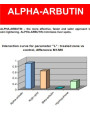
Alpha Arbutin (Switzerland)
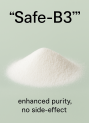
Safe-B3™ (Vitamin B3, Niacinamide)
GlucoBright™ (Acetyl Glucosamine)
Triethanolamine 99%
Sodium Lactate (60% Liquid, Natural)
Phenoxyethanol (Extra Pure)
Sodium PCA 50%
Rosehip Oil (Virgin, Fresh)