Serum Formulation Review and Production Suitability
Question
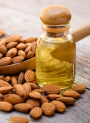
Could the team please review this serum formulation to assess its suitability for production? The formula includes: Aque 71.25, Pearl Extract 0.50, Nicotinamide 4.00, Propylene Glycol 2.00, n-acetyl glucosamine 4.00, Hydrogenated Lecithin 2.00, Hydroxyphenoxy propionic acid 0.80, Saccharide Isomerate 2.00, Prunus Dulcis (Almond) Oil 6.00, Manuka Honey Extract 1.00, Sodium Acrylates Copolymer 1.50, Sodium Diethylenetriamine Pentamethylene Phosphonate 0.60, Allantoin 0.20, Salicylic Acid 0.50, Phenylethyl Resorcinol 0.50, Microcare PHC 1.00, Disodium EDTA 0.20, DL-Panthenol 0.20, Sodium Hyaluronic Acid 0.10, Xanthan Gum 0.15, Undecylenoyl Phenylalanine 1.50.
Answer
Serum Formulation Review
This serum formulation contains a variety of active ingredients targeting multiple skin concerns, including whitening, moisturizing, soothing, and exfoliation. However, there are several potential challenges regarding ingredient compatibility and stability that need to be carefully considered for successful production.
Here is an assessment of the formula:
The formula includes beneficial ingredients such as:
- Safe-B3™ (Niacinamide) and GlucoBright™ (Acetyl Glucosamine), which work synergistically for skin brightening and improving skin barrier function. The concentrations used (4% each) are within effective ranges, especially when combined.
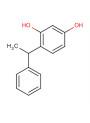
- Hydro-White™ (Hydroquinone-Replacer) and Phenylethyl Resorcinol, known for their whitening properties.
- MOIST72™ (Saccharide Isomerate), NaturalProfile™ Sweet Almond Oil, Moisturizing Honey (Honey Extract), Panthenol, and Double Hyaluron Liquid for moisturizing and skin conditioning.
- Allantoin for soothing and skin healing.
- Salicylic Acid for exfoliation and addressing acne concerns.
- Disodium EDTA and ActiveProtec™ OX for stability and preventing oxidation.
- Microcare PHC as a preservative.
- Propylene Glycol as a solvent and humectant.
- Xanthan Gum and Sodium Acrylates Copolymer as thickeners.
- Hydrogenated Lecithin and Undecylenoyl Phenylalanine are also included, contributing to the formula's properties.
Potential Production Challenges and Recommendations
pH Compatibility: This is the most significant challenge.
- Salicylic Acid is most effective and soluble in a low pH environment (ideally below 4).
- However, several other key ingredients, including MOIST72™, Microcare PHC, Panthenol, and GlucoBright™, require a higher pH range (typically between 4 and 8) for optimal stability and efficacy. Phenylethyl Resorcinol is also most stable at pH 4-5.
- Formulating with ingredients that have conflicting pH requirements will likely lead to instability, reduced efficacy of the active ingredients, and potential precipitation or discoloration over time.
- Recommendation: The formulator must prioritize the main function of the serum and adjust the ingredient list and target pH accordingly. If Salicylic Acid is crucial, consider removing pH-sensitive ingredients or exploring encapsulated forms. If the other pH-sensitive actives are priorities, Salicylic Acid might need to be replaced with a less pH-dependent alternative or removed.
Ingredient Solubility and Incorporation:
- Salicylic Acid is not water-soluble. While Propylene Glycol is present, 2% might not be sufficient to fully dissolve 0.5% Salicylic Acid in this water-dominant formula.
- Hydrogenated Lecithin and oil-soluble actives like Phenylethyl Resorcinol and Undecylenoyl Phenylalanine need to be properly incorporated into the water phase using appropriate emulsification techniques, especially with the chosen thickeners (Xanthan Gum and Sodium Acrylates Copolymer).
- Recommendation: Verify the solubility of Salicylic Acid in the chosen solvent system. Optimize the emulsification process to ensure a stable and uniform dispersion of oil-soluble components and Hydrogenated Lecithin.
Ingredient Interactions:
- Phenylethyl Resorcinol can be sensitive to ingredients containing amino acids or proteins. Pearl extract and Manuka Honey Extract may contain such components, potentially causing discoloration or instability of Phenylethyl Resorcinol.
- ActiveProtec™ OX is an electrolyte and might interact with anionic polymers like Xanthan Gum and Sodium Acrylates Copolymer, potentially affecting viscosity and stability.
- Recommendation: Test the compatibility of Pearl extract and Manuka Honey Extract with Phenylethyl Resorcinol. Evaluate the interaction between ActiveProtec™ OX and the thickeners and adjust the formula or mixing procedure if necessary.
Active Ingredient Concentrations:
- The concentration of Panthenol (0.2%) is below the generally recommended range for skin benefits (1-3%).
- The concentration of Double Hyaluron Liquid (0.1%) is also significantly lower than the recommended usage rate (3-5% for normal skin) and may not provide the expected moisturizing effect from hyaluronic acid.
- Recommendation: Consider increasing the concentration of Panthenol and Double Hyaluron Liquid to achieve their intended benefits, ensuring they remain within their recommended usage rates and do not negatively impact formula stability.
Storage Conditions:
- Several ingredients, including MOIST72™, Moisturizing Honey, Phenylethyl Resorcinol, Allantoin, and Double Hyaluron Liquid, benefit from or require cool storage for long-term stability.
- Recommendation: The final product may need to be stored in a refrigerator to maintain the efficacy and stability of these sensitive ingredients, which should be communicated to the end-user.
Conclusion
The formula is ambitious in combining many beneficial ingredients. However, the significant pH incompatibility between Salicylic Acid and other key actives presents a major formulation hurdle that needs to be resolved. Careful attention must also be paid to ingredient solubility, emulsification, potential interactions between specific ingredients (especially Phenylethyl Resorcinol with extracts, and ActiveProtec OX with thickeners), and optimizing active concentrations for desired efficacy. Addressing these challenges through formulation adjustments and rigorous stability testing is crucial for producing a safe, stable, and effective serum.
Related Products Mentioned
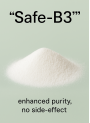
Safe-B3™ (Vitamin B3, Niacinamide)

Allantoin
GlucoBright™ (Acetyl Glucosamine)
Salicylic Acid (BHA, Pharma Grade)
Disodium EDTA

MOIST72™
Double Hyaluron Liquid


Hydro-White™ (Hydroquinone-Replacer)
Moisturizing Honey (Honey Extract)