Serum Formulation Review: Brightening, Acne, Texture & Ingredient Levels
Question
I am developing a serum for skin brightening and reducing acne scars. I have a proposed formula with specific percentages of Alpha Arbutin, GlucoBright, 4MSK, Complex Salicylic Acid, DMI, Reservoir Tech, Double hya, B5 extra lite, Hydro Gel, MOIST24, Ectoine, Probiotic protect, Lactobionic Acid, Tranexamic Acid, Active Protect ox, and Azelaic acid. Will the serum texture be too heavy with these ingredients? Also, is this formulation effective, and are the ingredient percentages appropriate?
Answer
Serum Formulation Review
Your proposed serum formulation contains a powerful combination of active ingredients targeting skin brightening and acne scars. Let's review the potential texture and effectiveness based on the ingredients and concentrations:
Potential Texture
With high percentages of Hyaluronic Acid (5%) and Hydro Gel (5%), the serum is likely to have a heavy or thick texture, rather than a light serum. Ingredients like Hyaluronic Acid are known to create viscosity, and adding a gelling agent (Hydro Gel) will further increase the thickness.
Potential Effectiveness
The formulation includes several potent ingredients for brightening and reducing dark spots:
- Alpha Arbutin (2%): At the maximum recommended cosmetic usage, effective for inhibiting melanin production.
- GlucoBright (Acetyl Glucosamine, 8%): At the high end of the recommended range, works well for brightening and improving skin hydration, especially when combined with Niacinamide (though Niacinamide is not in this formula).
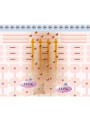
- 4MSK (Potassium Methoxysalicylate, 3%): At the maximum recommended usage, helps target existing melanin.
- Tranexamic Acid (5%): A powerful ingredient for melasma and dark spots. However, 5% is above the typical cosmetic usage limit (max 3%) and may require drug registration depending on regulations. This concentration also increases the risk of irritation.
- Azelaic Acid (Liquid Azelaic, 5%): At the lower end of the recommended range for efficacy (5-10%), helps with brightening, reducing redness, and controlling oil.
- Lactobionic Acid (2%): A gentle PHA that provides exfoliation and contributes to brightening and skin texture improvement.
For acne and acne scars, the formula includes:
- Salicylic Acid (4%): Effective for exfoliating pores and reducing acne. However, 4% is above the FDA limit (max 2%) for leave-on cosmetic products. This high concentration is likely to cause significant irritation, dryness, and peeling.
- Azelaic Acid (Liquid Azelaic, 5%): Helps reduce inflammation, control oil, and improve post-acne marks.
- Lactobionic Acid (2%): Provides gentle exfoliation that can help improve the appearance of acne scars.
The formula also contains a high level of moisturizing and barrier-supporting ingredients:
- Double hya (Hyaluronic Acid, 5%): Provides intense hydration at different skin depths.
- B5 extra lite (Pantolactone, 3%): A precursor to Vitamin B5, helps moisturize and soothe the skin.
- Ectoine (3%): A strong moisturizer and cell protector that helps defend against environmental stress and supports the skin barrier.
- Probiotic protect (Lactobacillus Ferment, 2.5%): Offers moisturizing benefits and helps support the skin's microbiome.
- MOIST24 (7%) and Hydro Gel (5%): Likely contribute to hydration and the overall texture.
Overall, the formulation has the potential for significant results in brightening and improving acne scars due to the potent mix of actives.
Considerations and Recommendations
- Irritation: The high concentrations of Salicylic Acid (4%) and Tranexamic Acid (5%) are likely to cause significant skin irritation. Consider reducing their percentages to within recommended cosmetic limits (Salicylic Acid max 2%, Tranexamic Acid max 3%) to improve skin tolerance and ensure regulatory compliance for a cosmetic product.
- Regulatory Compliance: Formulations with Salicylic Acid above 2% and Tranexamic Acid above 3% are typically classified as drugs, not cosmetics, and require different registration processes.
- Stability: Combining many active ingredients with different optimal pH ranges can impact stability. Ensure the final pH is suitable for the key actives and consider adding a stabilizer/antioxidant like ActiveProtec OX (which you have included at 1%, which is good, as recommended for Alpha Arbutin and Tranexamic Acid).
- Texture: If a lighter serum texture is desired, you may need to reduce the concentration of Hyaluronic Acid and/or the Hydro Gel component.
- Patch Testing: Always perform patch testing before using the full product to check for irritation or allergic reactions.
In summary, while the formula is potent, the high levels of Salicylic Acid and Tranexamic Acid pose significant risks for irritation and regulatory issues. Adjusting these concentrations would likely result in a safer and more compliant cosmetic product, while still offering strong benefits for brightening and acne scars.
Related Products Mentioned
GlucoBright™ (Acetyl Glucosamine)
Salicylic Acid (BHA, Pharma Grade)

Tranexamic Acid (Trans-White™)
4MSK (Potassium Methoxysalicylate)
Ectoine (Ectoin, from Bio-fermentation)

Lactobionic Acid
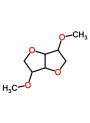
Dimethyl Isosorbide (DMI)
Hyaluronic Acid Gel Base