Serum Formulation Review: Compatibility, pH, and Ingredient Adjustments
Question
I have the following serum formulation and would like to know if it can be mixed as is and if any adjustments are necessary. I aim for a pH of approximately 4-5 and the serum is intended for all skin types, focusing on antioxidant, anti-irritation, and brightening benefits.
Serum Formulation Ingredients:
- Vitamin C (L-ascorbic acid) (Ultra-Fine) 15%
- Vitamin E (dl-alpha tocopherol) 1%
- Ferulic Acid 1%
- Panthenol (Vitamin B5) ExtraLite™ 2%
- Safe-B3™ (Vitamin B3, Niacinamide) 4%
- Ectoine (Ectoin, from Bio-fermentation) 1%
- Hyaluronic Acid (Standard Molecule) 0.2%
- Hyaluronic Acid (Small Molecule) 0.2%
- Coenzyme Q10 (10%, Powder, Water-Soluble) 3%
- Licorice Extract (Glabridin 4.5%, Water-Soluble) 1% OR Dipotassium Glycyrrhizate 1% (aiming for irritation reduction)
- Palmitamide MEA 1%
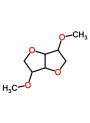
- Dimethyl Isosorbide (DMI) 3%
- Mild Preserved Eco™ (Preservative-Free) 1%
I want ingredients 1-13 to be in the serum. I am unsure if the following additional ingredients can be included together with the above, and if so, which ones would be suitable alternatives:
- Bakuchiol (Natural Retinol) 1%
- ActiveProtec™ UV 1%
- Glycerin 99.5% 3%
- Phospholipid 2%
- Propylene Glycol 5%
- น้ำกลั่น (Distilled Water)
Answer
Serum Formulation Review
Your goal is a serum with a pH of 4-5 for all skin types, focusing on anti-oxidation, irritation reduction, and brightening. The ingredients you've chosen are well-known for these properties.
Compatibility and pH Considerations
- Vitamin C (L-Ascorbic Acid) 15% and pH: L-Ascorbic Acid is most effective and stable at a low pH, ideally between 2.0-4.0 (with cosmetic formulations typically needing pH 3.5 or higher). Your target pH of 4-5 is on the higher end for optimal L-Ascorbic Acid stability, but still within a range where it can be effective, especially with proper packaging and storage. A pH closer to 4.0 would be better for the Vitamin C.
- Niacinamide (Safe-B3™) 4% and pH: Safe-B3™ is a high-purity Niacinamide that is stable in a pH range of 3-8, with optimal stability between 4.0-7.0. The concern with combining L-Ascorbic Acid and Niacinamide is the potential formation of Niacin (Nicotinic Acid) at low pH, which can cause flushing and irritation. While high-purity Niacinamide like Safe-B3™ minimizes this risk, especially at pH 4-5, it's still a factor to consider. Your target pH of 4-5 is a bit of a balancing act between the optimal ranges for L-Ascorbic Acid and Niacinamide. A pH closer to 5.0 might reduce the risk of Niacin formation but would be less ideal for L-Ascorbic Acid stability.
- Ferulic Acid 1%: Pure-Ferulic Acid™ is not water-soluble. Dimethyl Isosorbide (DMI) is included in your formula and is an excellent solvent and penetration enhancer that can help dissolve and incorporate Ferulic Acid into a water-based system. This combination is commonly used in potent antioxidant serums.
- Vitamin E (dl-alpha tocopherol) 1%: Vitamin E is oil-soluble. In a water-based serum, incorporating 1% Vitamin E will require a suitable solubilizer or emulsifier to ensure it is evenly dispersed and stable within the formula. Your current list does not include a specific ingredient for this purpose.
- Coenzyme Q10 (10%, Water-Soluble) 3%: The water-soluble encapsulated form is suitable for a water-based serum and will disperse, likely resulting in a cloudy appearance.
- Licorice Extract vs. Dipotassium Glycyrrhizate: You asked whether Licorice Extract (Glabridin 4.5%, Water-Soluble) or Dipotassium Glycyrrhizate is better for reducing irritation. Dipotassium Glycyrrhizate is specifically known and widely used for its anti-inflammatory and irritation-reducing properties, with extensive research supporting this. While the Glabridin extract also has anti-irritation effects, it is primarily known for its whitening properties. If your main goal is irritation reduction, Dipotassium Glycyrrhizate is the more targeted choice. It is water-soluble and works well in the target pH range of 4-7.
- Palmitamide MEA 1%: Palmitamide MEA is an excellent ingredient for reducing irritation and strengthening the skin barrier. It can be mixed in water-based formulas with a pH between 3.5-7.0, which fits your target range.
- Dimethyl Isosorbide (DMI) 3%: As mentioned, DMI is valuable for enhancing the penetration and solubility of other actives, particularly beneficial for Ferulic Acid and potentially improving the delivery of Vitamin C and other ingredients. It is compatible with water and various glycols.
- Mild Preserved Eco™ 1%: This preservative blend is suitable for your formula, working in the pH range of 4-9 and compatible with water-based systems.
Additional Ingredients You Considered
- Bakuchiol (Natural Retinol) 1%: Pure-Bakuchiol™ is oil-soluble. While it offers retinol-like benefits without the irritation, incorporating it into a predominantly water-based serum requires careful formulation. It needs to be dissolved in an oil phase or solubilized, and its stability in a water-based formula at pH 4-5, especially alongside L-Ascorbic Acid, would need thorough testing. It's often recommended to use a chelating agent with Bakuchiol in water formulas below pH 6.5 for stability. Adding Bakuchiol would significantly increase the complexity of your formulation.
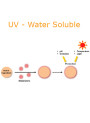
- ActiveProtec™ UV 1%: ActiveProtec™ UV is a water-soluble blend that helps protect the formula itself from UV light, which is beneficial for the stability of light-sensitive ingredients like L-Ascorbic Acid. Including this is a good idea for maintaining product integrity, especially if stored in clear packaging.
- Glycerin 3% and Propylene Glycol 5%: Glycerin and Propylene Glycol are excellent humectants and solvents that are fully compatible with your water-based serum. They will contribute to hydration and help dissolve other ingredients. Including them is beneficial.
- Phospholipid 2%: Hydrogenated Lecithin is typically used for encapsulation purposes to improve the delivery or stability of actives. Simply adding it to a serum base without an encapsulation process might not provide the intended benefits and could affect the texture or stability of the serum. Its inclusion at 2% without a specific encapsulation technique seems unnecessary and potentially problematic for a simple serum formulation.
Recommendations
- pH Adjustment: Aim for a pH between 4.0-4.5 to balance the stability needs of L-Ascorbic Acid and Niacinamide. You will need to measure the pH of your final mixture and adjust it using a suitable acid (like Citric Acid or Ferulic Acid's acidity might contribute) or base as needed.
- Vitamin E Incorporation: You will need to add a suitable solubilizer or emulsifier for incorporating 1% oil-soluble Vitamin E into your water-based serum.
- Licorice Derivative: For focused irritation reduction, use Dipotassium Glycyrrhizate at 1%. If you also want some whitening effect, the Licorice Extract (Glabridin 4.5%, Water-Soluble) at 1% is an option, as it also offers anti-irritation benefits.
- Additional Ingredients:
- Include Glycerin and Propylene Glycol for enhanced hydration and solvency.
- Include ActiveProtec™ UV at 1% to help protect the formula's stability from light.
- Carefully consider the addition of Bakuchiol. While beneficial, its oil solubility and stability requirements in a water-based formula with other actives at pH 4-5 make it challenging. It might be better to formulate Bakuchiol in a separate product (e.g., an oil-based serum or emulsion) for optimal stability and efficacy, or if you include it, ensure you use a chelating agent and perform rigorous stability testing.
- Excluding Phospholipid is likely best unless you plan to perform a specific encapsulation process.
- Stability Testing: Due to the high concentration of L-Ascorbic Acid and the combination of actives, rigorous stability testing (including pH monitoring, appearance, and efficacy over time and under different temperature conditions) is crucial to ensure the serum remains effective and safe throughout its shelf life.
- Mixing Method: Ensure L-Ascorbic Acid is added in the final step at a temperature below 30°C. Ferulic Acid should be dissolved in DMI before combining with the water phase. Water-soluble ingredients can be dissolved in the water phase.
In summary, your base formula is a good starting point but requires careful formulation, particularly regarding ingredient solubility and pH management for optimal stability and efficacy of L-Ascorbic Acid and Niacinamide. Adding Glycerin, Propylene Glycol, and ActiveProtec™ UV would be beneficial. Adding Bakuchiol and Phospholipid would add significant formulation complexity.
Related Products Mentioned

Safe-B3™ (Vitamin B3, Niacinamide)
Pure-Ferulic Acid™
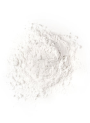
Vitamin C (L-ascorbic acid) (Ultra-Fine)
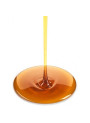
Vitamin E (dl-alpha tocopherol)
Propylene Glycol (USP)
Glycerin (USP/Food Grade)
Mild Preserved Eco™ (Preservative-Free)
Palmitamide MEA
Ectoine (Ectoin, from Bio-fermentation)
Dimethyl Isosorbide (DMI)