Serum Formulation Review: Ingredient Percentages, Suitability, and Mixing Order
Question
I am developing a serum for combination to slightly oily skin, occasional acne, wrinkles (forehead and smile lines), and uneven skin tone, for a 40-year-old. My proposed formulation includes:
- Aloe Vera Gel base
- Acetyl Glucosamine (4%)
- ChromaWhite™ (equivalent to Nanowhite) (5%)
- Beta Glucan (5%)
- Licorice Extract (1%)
- Vitamin B3 (Niacinamide) (2%)
- Centella Asiatica Extract (equivalent to Gotu Kola) (5%)
- Matrixyl 3000 (5%)
Could you please review the suitability and percentages of these ingredients for my skin type and concerns? Additionally, I need clarification on the mixing procedure, particularly for ingredients like ChromaWhite™ (Nanowhite) and Matrixyl 3000 that are often recommended to be added in the "final step". What does "final step" mean in this context, and what is the correct mixing order for all these ingredients?
Answer
Proposed Formulation Review and Mixing Guidance
For your skin type (combination to slightly oily, occasional acne, with concerns about wrinkles and uneven skin tone) at age 40, the ingredients you've selected are generally well-suited for addressing these issues.
Here's a review of each ingredient and some considerations:
- Aloe Vera Gel base: A suitable, lightweight base for combination/oily skin.
- Acetyl Glucosamine (4%): This is a good choice for skin brightening and improving skin tone, especially when combined with Vitamin B3. It can also help with skin hydration and has some exfoliating properties that can benefit acne-prone skin. The proposed percentage is within the effective range.
- ChromaWhite™ (equivalent to Nanowhite) (5%): This ingredient is effective for skin whitening by inhibiting melanin production. However, the recommended usage rate is typically much lower, around 0.1-0.5%. Using it at 5% is significantly higher than recommended and may not provide additional benefits while potentially affecting the formulation's stability or feel. It's best to stick to the recommended maximum usage rate.
- Beta Glucan (5%): Beta Glucan is known for its moisturizing, soothing, and skin barrier support properties. As noted in the forum reply, it might be less necessary for oily skin compared to dry or irritated skin. Furthermore, the recommended usage rate for Beta Glucan is typically 0.1-1.0%. Using it at 5% is much higher than recommended. Consider omitting it or using it at a lower percentage if you experience occasional irritation, keeping in mind your oily skin type.
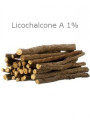
- Licorice Extract (1%): Licorice extract, particularly the Licochalcone A component, is excellent for reducing inflammation, redness, and controlling oiliness, which is beneficial for your occasional acne. 1% is within the recommended range for these benefits.
- Vitamin B3 (Niacinamide) (2%): Vitamin B3 is a versatile ingredient that helps with reducing wrinkles, improving skin tone, strengthening the skin barrier, and controlling oil. It works synergistically with Acetyl Glucosamine for whitening. 2% is within the effective range.
- Centella Asiatica Extract (equivalent to Gotu Kola) (5%): Centella Asiatica Extract (CICA) is well-regarded for its anti-inflammatory and skin healing properties. While beneficial, the recommended usage rate for a potent extract like Pure-TECA™ is typically 0.1-2%. Using 5% is higher than recommended and might not be necessary for efficacy. Consider using it within the recommended range.
- Matrixyl 3000 (5%): This peptide blend is effective for stimulating collagen production and reducing the appearance of wrinkles, addressing your concern about forehead and smile lines. 5% is within the recommended usage range.
Regarding the mixing order of ingredients like ChromaWhite™ (Nanowhite) and Matrixyl 3000, which often recommend adding in the "final step":
This instruction generally means adding these ingredients after the main base of the formulation has been created and cooled down to room temperature (typically below 40°C). This is because many active ingredients, especially peptides and some whitening agents, can be sensitive to high temperatures or extreme pH levels used in earlier stages of formulation (like emulsification).
Therefore, the correct procedure is to prepare your Aloe Vera Gel base, incorporate any ingredients that require heating or specific pH adjustments first (if any, though a simple gel base might not require much), let the base cool, and then add the sensitive ingredients like Acetyl Glucosamine, ChromaWhite™, Beta Glucan (if using), Licorice Extract, Vitamin B3, Centella Asiatica Extract, and Matrixyl 3000 while stirring gently until fully dispersed or dissolved. The specific order among these final-step ingredients is usually not as critical as ensuring they are added at a suitable temperature and pH.
In summary, your chosen ingredients target your concerns well, but you should adjust the percentages of ChromaWhite™ (Nanowhite), Beta Glucan, and Centella Asiatica Extract (Gotu Kola) to align with the recommended usage rates for optimal efficacy and stability, and consider if Beta Glucan is necessary for your skin type. Always add heat-sensitive ingredients like Matrixyl 3000 and ChromaWhite™ in the final cooling phase of your formulation.
Related Products Mentioned
Pal-GHK, Pal-GQPR (eq Matrixyl 3000)
Safe-B3™ (Vitamin B3, Niacinamide)
GlucoBright™ (Acetyl Glucosamine)