Serum Formulation Review: Ingredient Quantity, Compatibility, Stability, and Texture
Question
I have the following serum formulation and would like to know if the number of ingredients is too high. I am aiming for a serum that provides antioxidant and anti-wrinkle benefits, with a slightly viscous texture, not watery.
Based on the recommended usage percentages from the website, are there any ingredients that counteract each other or have overlapping properties? Please advise.
Here is the list of ingredients and their percentages:
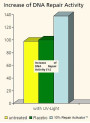
- Repair Activator™ Liquid (Bifida Ferment Lysate) = 15%
- Pep®-Coll (Palmitoyl Tripeptide-5) = 3%
- Acetyl Hexapeptide-8 (eq. Argireline) = 10%
- Rosa Hybrid Cell Extract (HybridCell™) = 2%
- Dipalmitoyl Hydroxyproline (DPHP) = 2%
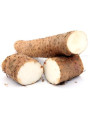
- Wild Yam Extract (Diosgenin 95%) = 0.2%
- Perfect-A™ (Hydroxypinacolone Retinoate, Liquid) = 1%
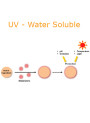
- ActiveProtec™ UV = 1%
- ActiveProtec™ OX = 1%
- Hi-Lupeol™ = 2%
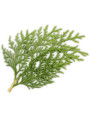
- Japanese Cedar (Cryptomeria Japonica Bud Extract) = 1%
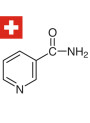
- Safe-B3™ Switzerland (Vitamin B3, Niacinamide) = 5%
- GlucoBright™ (Acetyl glucosamine) = 4%
- Ethoxydiglycol = 1%
- Saccharomyces Lysate Extract = 1%
- Beta Glucan (Saccharomyces cerevisiae extract) = 3%
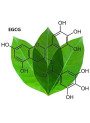
- Hi-EGCG™ (Green Tea Extract) = 3%
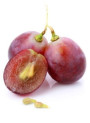
- Grape Seed Extract (Proanthocyanidins) = 1%
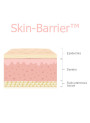
- Skin-Barrier™ (Skin Barrier Restoration) = 5%
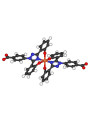
- Bio-Mineral™ (Fermented Si+Mg+Cu+Fe+Zn) = 5%
- alpha Ketoglutaric acid = 2%
- Hydroxypropyl Tetrahydropyrantriol (eq. Pro-Xylane) = 1%
- Methylsilanol Mannuronate = 6%
- Vitamin C (L-ascorbic acid) (Ultra-Fine) = 3%
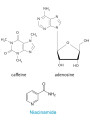
- Energy-Blend™ (Caffeine+Adenosine+Vitamin B3) = 5%
- Squalane (Olive) = 2%
- Wrinkle-Fill™ (AcetyL-Tyrosine) = 2%
- น้ำกลั่น ปราศจากเชื้อ = 12.799999%
Answer
Formulation Review
Your formulation includes a wide array of active ingredients known for their anti-aging and antioxidant properties, which directly addresses your goals. However, incorporating this many active ingredients into a single serum at these concentrations presents several formulation challenges and potential issues:
Complexity and Redundancy
The formula is highly complex with 27 different active/functional ingredients. While many ingredients offer benefits, there is significant overlap in their functions. For example, you have multiple peptides aimed at wrinkle reduction and collagen stimulation (Pep®-Coll, Acetyl Hexapeptide-8, Dipalmitoyl Hydroxyproline, Methylsilanol Mannuronate, Hydroxypropyl Tetrahydropyrantriol). Similarly, there are numerous antioxidants and ingredients that support the skin barrier. Using many ingredients with similar mechanisms might not provide significantly enhanced results compared to a more focused formula, and can increase the risk of instability or irritation.
Ingredient Compatibility and Stability
A major challenge with this formulation is the compatibility of ingredients, particularly regarding pH requirements.
- Vitamin C (L-ascorbic acid) is most effective and stable at a low pH, typically between 2.0 and 4.0 (with 3.5-4.0 being generally recommended for skin application).
- Many other beneficial ingredients in your formula, such as Safe-B3™ (Niacinamide), Beta Glucan, Japanese Cedar, and Hydroxypropyl Tetrahydropyrantriol, function best at higher pH levels than required for L-Ascorbic Acid stability.
- Formulating L-Ascorbic Acid at its optimal low pH will likely destabilize or reduce the efficacy of ingredients that require a higher pH. Conversely, formulating at a higher pH to suit other ingredients will compromise the stability and effectiveness of the L-Ascorbic Acid.
- The inclusion of ActiveProtec™ OX helps protect against oxidation, and ActiveProtec™ UV helps protect from UV light, which is beneficial for overall formula stability, but they may not fully overcome the inherent pH incompatibility issues, especially with L-Ascorbic Acid.
Ingredient Percentages
Most of the percentages you've chosen are within the recommended ranges for the individual ingredients. However:
- Hi-Lupeol™ is listed at 2%, which is above the recommended maximum usage rate of 1.0%.
- Hi-EGCG™ is listed at 3%, which is above the recommended maximum usage rate of 2.0%.
Using ingredients above their recommended maximums can increase the risk of irritation or adverse reactions without necessarily providing greater benefits.
Texture and Formulation
You mentioned wanting a viscous texture. Your current ingredient list does not include a dedicated thickener or gelling agent (like a gum, carbomer, or cellulose derivative). While some ingredients like Beta Glucan or Skin-Barrier™ might contribute a slight increase in viscosity, they are unlikely to create a noticeably thick or viscous serum texture on their own. You would need to add a thickening agent to achieve your desired texture.
Furthermore, the formula contains oil-soluble ingredients like Dipalmitoyl Hydroxyproline, Wild Yam Extract, and Squalane. To incorporate these into a water-based serum and create a stable product, you would need to include an emulsifier (which is not listed) and potentially a co-emulsifier. The mixing instructions for Dipalmitoyl Hydroxyproline and Wild Yam Extract require heating the oil phase, which adds complexity and needs to be done carefully to avoid degrading heat-sensitive ingredients.
Overall Assessment
While your formula contains many excellent ingredients targeting anti-aging and antioxidant benefits, the sheer number of actives and the significant pH incompatibility between L-Ascorbic Acid and many other ingredients pose major formulation challenges and could compromise the stability and effectiveness of the final product. The high active load also leaves limited room (20%) for necessary base ingredients like water, thickeners, emulsifiers, preservatives, and pH adjusters.
Recommendations
- Simplify the Formula: Consider reducing the number of active ingredients. Focus on a few key ingredients at effective concentrations that are compatible with each other.
- Address pH Incompatibility:
- If you want to use L-Ascorbic Acid, consider formulating a separate serum with L-Ascorbic Acid at its optimal low pH, and another serum containing the pH-sensitive ingredients like Niacinamide and Beta Glucan.
- Alternatively, replace L-Ascorbic Acid with a more stable Vitamin C derivative (such as Ascorbyl Glucoside or Ethyl Ascorbic Acid) that is compatible with a higher pH range, although these may have different efficacy profiles compared to L-Ascorbic Acid.
- Adjust Percentages: Reduce the percentages of Hi-Lupeol™ and Hi-EGCG™ to their recommended maximums (1.0% and 2.0% respectively) to minimize potential irritation risk.
- Add Thickener and Emulsifier: To achieve a viscous texture and incorporate the oil-soluble ingredients, you will need to add appropriate thickeners and emulsifiers to your formulation.
- Consider Stability Testing: Given the complexity, stability testing (e.g., heat/cold cycles, accelerated aging) is highly recommended to ensure the product remains stable and effective over time.
Creating a highly effective serum often involves selecting a synergistic blend of fewer ingredients at optimal concentrations, ensuring their compatibility and stability within the formulation base.
Related Products Mentioned
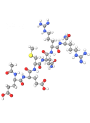
Acetyl Hexapeptide-8 (eq Argireline)
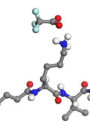
Pep®-Coll (Palmitoyl tripeptide-5)
Safe-B3™ (Vitamin B3, Niacinamide)
GlucoBright™ (Acetyl Glucosamine)
Squalane (Olive)
Vitamin C (L-ascorbic acid) (Ultra-Fine)
Ethoxydiglycol (e.q. Transcutol)
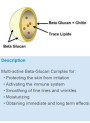
Dipalmitoyl Hydroxyproline (DPHP)
Grape Seed Extract (Proanthocyanidins)
Wild Yam Extract (Diosgenin 95%)
Pure-EGCG™ (Green Tea Extract, 98% EGCG)
Methylsilanol Mannuronate
ActiveProtec™ UV
Bio-Mineral™ (Fermented Si+Mg+Cu+Fe+Zn)
alpha Ketoglutaric acid
ActiveProtec™ OX