Serum Formulation Review: Texture, Compatibility, pH, and Mixing
Question
I am developing a serum formulation with the following ingredients. I would like to ask for advice regarding the expected texture, ingredient compatibility, whether any ingredients should be added or reduced, the expected pH and optimal pH range, and the correct mixing procedure.
Formula Ingredients:
- Water
- Cyclopentasiloxane
- Dimethicone
- Propylene Glycol
- Glycerin
- Light Cream Maker
- Acetyl Glucosamine (4%)
- Niacinamide (4%)
- Alpha Arbutin (2%)
- Allantoin
- Hydrolyzed Vegetable Protein
- Glycyrrhyza Inflata Root Extract
- Camelia Sinensis Leaf Extract
- Centella Asiatica Extract
- Alpha Bisabolol
- Retinyl Palmitate (1%)
- Tocopherol Acetate
- Ubiquinone (Coenzyme Q10 1%)
- Phenoxyethanol
Answer
Serum Formulation Analysis
Your formula aims for a light, slippery texture with a base of water, silicones, glycols, and glycerin, incorporating a range of active ingredients for whitening, anti-irritation, anti-inflammatory, and antioxidant benefits.
1. Expected Texture and Adjustments
Based on your formula, the texture should indeed be light, smooth, and slippery, as you intended and as confirmed by the previous reply.
- Cyclopentasiloxane and Dimethicone are silicones that provide a silky, smooth feel and help the product spread easily. Cyclopentasiloxane is volatile and contributes to a lighter, less greasy feel as it evaporates. Dimethicone adds slip and a conditioning feel.
- Propylene Glycol and Glycerin are humectants that add some body and hydration to the water phase.
- Light Cream Maker is an emulsifier and thickener designed to create light, non-greasy textures and can help stabilize the water and silicone/oil phases.
The combination of these ingredients, particularly the high percentage of silicones and the type of emulsifier, strongly supports your goal of a light and slippery serum. No adjustments seem necessary if this texture is exactly what you desire.
2. Ingredient Compatibility
Generally, the ingredients in your formula are compatible. The previous reply also indicated this.
However, it's important to consider the optimal pH range for the stability and efficacy of some active ingredients:
- Alpha Arbutin is most stable and effective in a pH range of 3.5-6.5. It can break down into hydroquinone at pH levels higher than 8.
- Niacinamide is most stable in a pH range of 4.0-7.0.
- Acetyl Glucosamine is recommended for formulas with a pH in the range of 3-7.
- Allantoin is best in a pH range of 4-8.
While the ingredients don't actively harm each other, maintaining the final pH of your serum within the 4.0-6.5 range would be beneficial for the stability and effectiveness of these key actives.
Also, note that some extracts and vitamins are sensitive to heat and should be added during the cool-down phase of mixing (typically below 40°C). These include Glycyrrhyza Inflata Root Extract, Camelia Sinensis Leaf Extract, Centella Asiatica Extract, Retinyl Palmitate, and Ubiquinone.
3. Potential Additions or Reductions
Your formula contains a good mix of active ingredients targeting whitening, anti-irritation, anti-inflammatory, and antioxidant properties at effective concentrations.
- The concentrations of Acetyl Glucosamine (4%), Niacinamide (4%), and Alpha Arbutin (2%) are within recommended usage rates for significant whitening effects.
- Retinyl Palmitate is included at 1%, which is at the higher end of the typical recommended range (0.5-1.0%). Using more than 1% is cautioned against as it can cause irritation.
- Ubiquinone (Coenzyme Q10) is at 1%. If you are using the oil-soluble powder form, the recommended usage rate is typically lower (0.01-0.5%). If using the water-soluble encapsulated form, 1% is within the recommended range (0.1-1%). Ensure the type of Ubiquinone used is suitable for your base and concentration.
- Given the presence of light and oxidation-sensitive ingredients like Retinyl Palmitate and Ubiquinone, consider adding antioxidants specifically for formula stability (like Tocopherol, which is present as Tocopherol Acetate, but additional antioxidants like Protec™ OX could be beneficial) and potentially a UV absorber if the product is in clear packaging or intended for daytime use.
Without knowing your specific skin concerns or desired intensity of effects, it's hard to suggest specific additions or reductions. However, the current active concentrations are generally robust.
4. Expected pH and Optimal pH
The final pH of your serum will depend on the specific raw materials and their inherent acidity or alkalinity. However, with ingredients like Niacinamide, Alpha Arbutin, Acetyl Glucosamine, and Allantoin, the pH is likely to be slightly acidic.
As mentioned earlier, the optimal pH range for the stability and efficacy of several key active ingredients is between 4.0 and 6.5. You should measure the pH of your final formulation and adjust it into this range using a dilute acid (like citric acid or lactic acid solution) or a dilute base (like sodium hydroxide solution) if necessary.
5. Mixing Procedure
Your proposed mixing method is a good starting point, but to ensure a stable emulsion with silicones, water, and oil-soluble components, a slightly more structured approach is recommended. The Light Cream Maker is designed to emulsify oil and silicone phases into a water phase, often without heat.
Here is a suggested mixing procedure:
- Water Phase (Phase A): Combine Water, Propylene Glycol, and Glycerin. Add the water-soluble powder ingredients: Acetyl Glucosamine, Niacinamide, Alpha Arbutin, Allantoin, and Hydrolyzed Vegetable Protein. Stir well until everything is dissolved. You can gently warm this phase (e.g., up to 40°C) if needed to help dissolve powders, but avoid prolonged heating. Add the water-soluble extracts: Glycyrrhyza Inflata Root Extract, Camelia Sinensis Leaf Extract, and Centella Asiatica Extract. Mix thoroughly.
- Silicone/Oil Phase (Phase B): Combine Cyclopentasiloxane and Dimethicone. Add the oil-soluble ingredients: Alpha Bisabolol, Retinyl Palmitate, Tocopherol Acetate, and Ubiquinone. Mix well. If Retinyl Palmitate or Ubiquinone are solid or difficult to dissolve, very gentle warming (below 40-50°C) can be used, but minimize heat exposure.
- Emulsification: Add the Light Cream Maker to Phase B and mix well. Slowly add Phase A to Phase B while stirring continuously with high shear (using a homogenizer or high-speed mixer) to form the emulsion. Continue mixing until the serum is uniform and the desired texture is achieved. Ensure thorough mixing to prevent a flaky texture upon application.
- Cool Down: Allow the emulsion to cool to below 40°C.
- Final Additions (Phase C): Add Phenoxyethanol and mix until fully incorporated.
- pH Adjustment: Measure the pH of the final serum. If it is outside the optimal range of 4.0-6.5, adjust it using a dilute acid or base solution.
I hope this detailed analysis helps you refine your serum formulation!
Related Products Mentioned
Vitamin E (Tocopheryl Acetate)
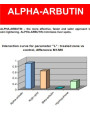
Alpha Arbutin (Switzerland)
Safe-B3™ (Vitamin B3, Niacinamide)

Allantoin
GlucoBright™ (Acetyl Glucosamine)
Propylene Glycol (USP)
Light Cream Maker™
Glycerin (USP/Food Grade)
Phenoxyethanol (Extra Pure)
Dimethicone (Medium/350, Low-Odor)


Coenzyme Q10 (98%, Powder, Oil-Soluble)