Serum Formulation: Solubility, Compatibility, Whitening & Penetration Enhancers
Question
Can Ethoxydiglycol be used to dissolve Ferulic Acid, and also dissolve Vitamin E Tocopheryl Acetate and Vitamin E dl-alpha tocopherol? Or can Butylene Glycol be used?
If yes, after dissolving Vitamin E and Ferulic Acid in Ethoxydiglycol, can they be added to water mixed with Vitamin C L-ascorbic acid standard 15%? If yes, please specify the percentages for Ferulic Acid, Vitamin E, and Ethoxydiglycol.
In the formula, can Sym White (phenylethyl resorcinol), Phospholipid, and Pro Polymer (Acrylate Crosspolymer) be added together?
Comparing Sym White (phenylethyl resorcinol) and activated resorcinol (4-butyl resorcinol), which one does the expert recommend for better whitening efficacy, disregarding irritation? If there is no irritation, which one is more suitable in the expert's opinion?
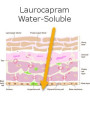
For Laurocapram used as a penetration enhancer, there is one type for water-soluble substances and another for oil-soluble substances. Can both types be included in the same formula? Should the percentage of use be reduced when used together?
What is the recommended percentage for Phospholipid when used as a penetration enhancer for both water and oil-soluble substances?
Answer
Formulation Questions
1. Solubility of Vitamin E in Ethoxydiglycol and Butylene Glycol
- Ethoxydiglycol: Yes, Ethoxydiglycol can help dissolve or disperse Vitamin E. Ethoxydiglycol is soluble in glycols and oils, and Vitamin E (both Tocopheryl Acetate and dl-alpha tocopherol) is oil-soluble. Ethoxydiglycol acts as a solvent and carrier that can help incorporate oil-soluble ingredients into formulations.
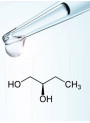
- Butylene Glycol: No, Butylene Glycol is primarily water-soluble and is not suitable for dissolving oil-soluble Vitamin E on its own.
2. Combining Dissolved Ferulic Acid and Vitamin E in 15% L-Ascorbic Acid Solution
It is possible to incorporate Ferulic Acid and Vitamin E (dissolved in Ethoxydiglycol) into a water phase containing 15% L-Ascorbic Acid, but they will not simply "dissolve" in the water phase because Ferulic Acid is not water-soluble and Vitamin E is oil-soluble. Ethoxydiglycol can help bridge the oil and water phases and act as a carrier, but creating a stable, homogeneous formulation requires careful technique, likely involving emulsification or a suitable co-solvent system, especially given the low pH required for L-Ascorbic Acid stability (pH 2.0-4.0, with FDA requiring a minimum of 3.5 for leave-on products).
A typical formulation combining these ingredients (often referred to as a "CE Ferulic" type serum) uses the following approximate percentages:
- L-Ascorbic Acid: 15%
- Ferulic Acid: 0.5-1% (1% is recommended for anti-aging/anti-oxidation)
- Vitamin E (dl-alpha tocopherol or Tocopheryl Acetate): 0.1-1% (0.1-0.5% recommended as antioxidant to skin)
- Ethoxydiglycol: 1-10% (Note: FDA currently limits Ethoxydiglycol usage to not more than 2.6% for leave-on skin products).
The exact percentage of Ethoxydiglycol needed will depend on the specific formulation and desired solubility/stability, while adhering to regulatory limits.
3. Adding Sym White, Phospholipid, and Pro Polymer to the Formula
Adding Sym White (Phenylethyl Resorcinol), Phospholipid (Hydrogenated Lecithin), and Pro Polymer (Acrylate Crosspolymer) to a low pH L-Ascorbic Acid serum containing Ferulic Acid and Vitamin E is complex due to potential compatibility issues, particularly regarding pH and solubility:
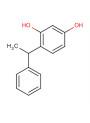
- Sym White (Phenylethyl Resorcinol): This ingredient is oil-soluble and works best at a pH of 4-5. This pH range conflicts with the optimal pH for L-Ascorbic Acid (2.0-4.0, min 3.5). Combining them would require careful pH management, potentially compromising the stability or efficacy of one or both actives. Sym White formulations also typically include oil and Disodium EDTA and advise against certain ingredients like Carbomer or protein groups.
- Phospholipid (Hydrogenated Lecithin): This is used for encapsulation and is dispersed in oil. It can help carry both water and oil-soluble ingredients. Its incorporation would depend on the specific formulation method (e.g., creating liposomes or other delivery systems).
- Pro Polymer (Acrylate Crosspolymer): This is a water-soluble gel maker. While it has some electrolyte resistance, the low pH of the L-Ascorbic Acid solution could potentially affect its gelling properties. Compatibility with other ingredients, including Sym White (which advises against certain polymers), also needs to be considered.
While it might be technically possible to formulate with these ingredients, achieving a stable and effective product would require significant formulation expertise to manage the different solubility requirements, pH sensitivities, and potential interactions between the components.
4. Whitening Efficacy Comparison: Sym White vs. Activated Resorcinol
Both Sym White (Phenylethyl Resorcinol) and Activated Resorcinol (4-Butyl Resorcinol) are described as highly effective skin brightening agents that work by inhibiting tyrosinase.
- Sym White (Phenylethyl Resorcinol): The description states it offers "maximum efficiency" compared to general whitening substances and is shown in experimental plates to be over 210 times more effective than Kojic Acid at controlling pigment production. It is presented as one of the safest and most effective whitening substances.
- Activated Resorcinol (4-Butyl Resorcinol): The description states it is "significantly more effective" at reducing pigmentation than Vitamin C and Arbutin, and "more efficient" than Kojic Acid and Alpha Arbutin.
Based on the information provided in the product descriptions, Sym White (Phenylethyl Resorcinol) appears to be presented as having potentially higher whitening efficacy, with specific comparative data provided against Kojic Acid. However, both are considered potent skin brighteners.
5. Using Both Water-Soluble and Oil-Soluble Laurocapram
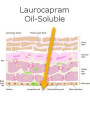
The product descriptions for both Laurocapram (Water Soluble) and Laurocapram (Oil Soluble) strongly advise against using them together with other carriers except for 1,2-Hexanediol, stating that the overall effect may be reduced. Each type is specifically suited for conveying ingredients in its respective phase (water-soluble for water-soluble actives, oil-soluble for oil-soluble actives).
Therefore, based on the product information, it is not recommended to use both water-soluble and oil-soluble Laurocapram in the same formula. Doing so may not provide synergistic benefits and could potentially reduce the overall effectiveness of the penetration enhancement compared to using the appropriate type for the specific active ingredients in your formula. The descriptions do not provide guidance on reducing percentages if used together, reinforcing that it is likely not an intended or optimal approach.
6. Recommended Percentage for Phospholipid as a Penetration Enhancer
The product descriptions for Hydrogenated Lecithin (Phospholipid) focus on its use for encapsulating active ingredients to increase absorption, solubility, or stability. While it is listed as a carrier, the descriptions do not provide a general recommended usage percentage specifically for penetration enhancement when used alone or not for encapsulation purposes. The usage rate for encapsulation would depend on the specific active ingredient and the encapsulation method used, which the company cannot provide technical advice on.
Related Products Mentioned
Vitamin E (Tocopheryl Acetate)
Pure-Ferulic Acid™
Vitamin C (L-ascorbic acid) (Ultra-Fine)
Vitamin E (dl-alpha tocopherol)
Ethoxydiglycol (e.q. Transcutol)
Pro Polymer™ (Gel Maker)
Butylene Glycol
Laurocapram (Oil Soluble)
Vitamin C (L-ascorbic acid) (Standard)