Serum Formulation Spoilage and Shelf Life Extension
Question
I need help reviewing my serum formulation.
The formulation is as follows:
- Hyaluronic Acid standard 1%
- Betaine 5%
- Raffinose 5%
- Lift-Now 5%
- Bismuth Oxychloride 3%
- Salicylic Acid 2%
- micro silver porous 0.2%
- glycerin 5%
- Phenonip P4 1.5%
- Triethanolamine 1%
- Pro Polymer 7%
- water 64.3%
I want the serum to have a "bouncy" feel when applied to the face, as it makes the skin appear brighter. I set the pH to 5.0. However, the serum spoils after 2 months. I want to achieve a shelf life of 2 years. I have already included a preservative (Phenonip P4). What should I do?
Answer
Formulation Feedback and Shelf Life Extension
Thank you for sharing your serum formulation. It contains several ingredients known for hydration and skin feel, which likely contribute to the 'bouncy' texture you desire, such as Hyaluronic Acid, Betaine, Raffinose, Glycerin, and Pro Polymer.
You mentioned that your formula spoils after 2 months despite including Phenonip P4 preservative and maintaining a pH of 5.0. Achieving a shelf life of 2 years requires a very effective preservation system to prevent microbial growth over an extended period.
Here are some points to consider regarding the spoilage issue and extending shelf life:
- Preservative System: While Phenonip P4 is a broad-spectrum preservative, its effectiveness can be influenced by the specific combination and concentration of other ingredients in your formula. The recommended usage rate for Phenonip P4 is typically up to 1.0%, and you are using 1.5%. Even at a higher concentration, the complex nature of your formula or potential interactions might be reducing its efficacy.
- Manufacturing Hygiene: Contamination during the mixing, filling, or packaging process is a common cause of spoilage. Ensure all equipment and containers are thoroughly cleaned and sanitized, and practice good manufacturing hygiene to minimize microbial introduction.
- Ingredient Load: Some raw materials can introduce a microbial load into the formula. Using high-quality ingredients and potentially pre-treating certain components if necessary can help.
- Formula Complexity: Formulas with a high percentage of various active and functional ingredients can sometimes be more challenging to preserve. The high concentration of Pro Polymer (7%) might also play a role in the overall stability and preservation challenge.
- Micro Silver: You included micro silver porous at 0.2%. While silver can have antimicrobial properties, the effectiveness and stability of different forms of silver can vary, and relying on it as the sole or primary preservative might not be sufficient for a 2-year shelf life, especially in a complex water-based system. The recommended usage rate for Nano Silver 20nm Powder, for example, is 0.01-0.1%.
- Challenge Testing: To ensure your formula is adequately preserved for a 2-year shelf life, it is highly recommended to perform a microbial challenge test. This test involves intentionally contaminating the product with various microorganisms to see if the preservative system can effectively eliminate them over time.
- Storage Conditions: Proper storage is also crucial. Storing the product in a cool, dark place, or even refrigeration as recommended for some ingredients like Hyaluronic Acid and Raffinose, can help maintain stability and extend shelf life.
To achieve a 2-year shelf life, you may need to re-evaluate your preservative system, potentially using a different blend of preservatives or adjusting concentrations based on challenge testing results. Ensuring stringent hygiene throughout the production process is also critical.
Related Products Mentioned
Triethanolamine 99%
Glycerin (USP/Food Grade)
Salicylic Acid (BHA, Pharma Grade)
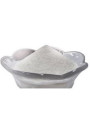
Natural Betaine (Crystal)
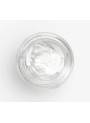
Pro Polymer™ (Gel Maker)
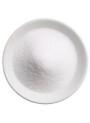
MakeGlow™ Powder (Bismuth Oxychloride)
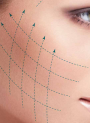
Lift-Now™
Nano Silver 20nm Powder

Para-Preserve (eq. Phenonip P4)