Serum Formulation: Texture, Mixing, and Sensitive Skin Ingredients
Question
Could you please analyze this serum formula? I'm looking for a texture that isn't a thin liquid like porridge, something that can be picked up and applied to the face. What percentage of each ingredient should be used? Please provide detailed mixing instructions. Can a blender be used, or is heat required? Please advise.
If any of these ingredients may cause acne or are not suitable for sensitive, acne-prone, easily irritated skin, please suggest alternative ingredients that are safer.
Ingredient Listing:
- Cyclopentasiloxane
- Algae (Seaweed) Extract
- Glycerin
- Dimethicone
- Polysilicone-11
- Isononyl Isononanoate
- Dimethicone/Peg-10/15 Crosspolymer
- Sesamum Indicum (Sesame) Seed Oil
- Medicago Sativa (Alfalfa) Seed Powder
- Helianthus Annuus (Sunflower) Seedcake
- Prunus Amygdalus Dulcis (Sweet Almond) Seed Meal
- Eucalyptus Globulus (Eucalyptus) Leaf Oil
- Sodium Gluconate
- Copper Gluconate
- Calcium Gluconate
- Magnesium Gluconate
- Zinc Gluconate
- Tocopheryl Succinate
- Niacin
- Sesamum Indicum (Sesame) Seed Powder
- Water\Aqua\Eau
- Dimethicone Crosspolymer
- Helichrysum Arenarium (Everlasting) Extract
- Laminaria Ochroleuca Extract
- Triticum Vulgare (Wheat) Flour Lipids
- Citrus Aurantifolia (Lime) Peel Extract
- Crithmum Maritimum Extract
- Alteromonas Ferment Extract
- Chlorella vulgaris Extract
- Yeast Extract\Faex\Extrait De Levure
- Cholesterol
- LinOleic Acid
- TetraacetylPhytosphingosine
- Caprylic/capric triglyceride
- Rosmarinus Officinalis (Rosemary) Leaf Oil
- Ocimum Basilicum (Basil) Oil
- Lavandula Angustifolia (Lavender) Oil
- Lavandula Hybrida (Lavandin) Oil
- Dipropylene glycol
- Sodium Citrate
- Limonene
- Linalool
- Phenoxyethanol
Answer
Serum Formulation Analysis
Based on the ingredient list you provided, this serum is formulated to have a unique, non-liquid texture, likely achieved through a combination of silicones and emollients. While I cannot provide exact percentages or detailed, step-by-step manufacturing instructions (as this requires laboratory formulation and testing), I can explain how the ingredients contribute to the texture, the general mixing principles involved, and address your concerns about sensitive/acne-prone skin.
Texture
The desired non-liquid, "grippable" texture is primarily due to the silicone ingredients:
- Cyclopentasiloxane and Dimethicone provide a smooth, silky feel.
- Polysilicone-11, Dimethicone/Peg-10/15 Crosspolymer, and Dimethicone Crosspolymer are likely silicone elastomers or crosspolymers. These ingredients are excellent at creating a gel-like or thickened texture in silicone-based formulations, providing that non-runny, almost cushiony feel you described.
- Emollients like Isononyl Isononanoate and Caprylic/capric triglyceride also contribute to the feel and spreadability without being overly greasy.
Mixing Method
This formulation is likely a complex emulsion, possibly a water-in-silicone type, given the presence of both silicones/oils and water, along with ingredients that help blend them (like the Dimethicone/Peg-10/15 Crosspolymer, which can act as an emulsifier).
- General Process: Typically, ingredients are divided into a silicone/oil phase and a water phase. The silicone/oil phase ingredients are mixed, and the water phase ingredients are mixed separately. Then, the water phase is slowly added to the silicone/oil phase while mixing vigorously.
- Heat: Some ingredients, like Cholesterol, have a high melting point and require heat to dissolve into the oil phase (around 150°C for Cholesterol). However, many other ingredients (like Niacinamide, Yeast Extract, and botanical extracts) are heat-sensitive and should be added at lower temperatures (often below 40-60°C). This means the oil phase containing Cholesterol would need to be heated, Cholesterol dissolved, then cooled significantly before combining with the water phase or adding heat-sensitive ingredients.
- Equipment: To achieve a stable emulsion and the desired smooth, non-liquid texture, a high-shear mixer or homogenizer is generally necessary. Simple hand mixing or a standard kitchen blender is unlikely to be sufficient for this type of formulation.
Ingredient Percentages
As mentioned, determining exact percentages from an ingredient list is not possible. The order generally indicates higher concentration first, but this is not always strictly followed, especially for active ingredients used at low percentages. Formulating with specific percentages requires experimentation to achieve the desired stability, texture, and efficacy.
Suitability for Acne-Prone / Sensitive Skin & Alternatives
Several ingredients in this list could potentially be problematic for sensitive or acne-prone skin:
- Oils: While many oils are beneficial, Sesame Seed Oil and Sweet Almond Oil are sometimes considered moderately comedogenic (pore-clogging) for some individuals, although reactions vary. Caprylic/capric triglyceride and Isononyl Isononanoate are generally considered low risk for clogging pores.
- Alternative Oils: For acne-prone skin, consider using non-comedogenic oils like Squalane or Jojoba Oil.
- Essential Oils and Fragrance: Eucalyptus Globulus Oil, Rosmarinus Officinalis Leaf Oil, Ocimum Basilicum Oil, Lavandula Angustifolia Oil, Lavandula Hybrida Oil, Limonene, and Linalool are common skin irritants and allergens, especially for sensitive skin.
- Alternative: For sensitive skin, it is best to avoid formulations containing essential oils and added fragrance components. Look for "fragrance-free" products.
- Niacinamide: Niacinamide (Vitamin B3) is excellent for reducing oiliness and inflammation, which is beneficial for acne. However, high concentrations (above 5-10%) can cause temporary flushing or irritation in some people. The Safe-B3™ type is designed to minimize this.
- Consideration: If using Niacinamide, start with a lower concentration (e.g., 2-5%) to assess tolerance, even with the low-flush type.
- Phenoxyethanol: This is a widely used and generally safe preservative, but a small percentage of people may experience irritation or allergic reactions.
- Alternative: If you suspect sensitivity, you would need to explore alternative preservative systems, which requires careful formulation expertise.
Other ingredients like Algae Extract, mineral gluconates (Sodium Gluconate, Copper Gluconate, Calcium Gluconate, Magnesium Gluconate, Zinc Gluconate), Tocopheryl Succinate (Vitamin E derivative), Medicago Sativa Seed Powder, Helianthus Annuus Seedcake, Prunus Amygdalus Dulcis Seed Meal, Citrus Aurantifolia Peel Extract, Crithmum Maritimum Extract, Alteromonas Ferment Extract, Chlorella vulgaris Extract, Yeast Extract (Yeast Resurface), Cholesterol, Oleic Acid, and Phytosphingosine offer various potential benefits (antioxidant, soothing, barrier support, etc.) but their impact on acne or sensitivity depends on the specific extract type, concentration, and individual skin reaction. Phytosphingosine is known for its anti-inflammatory and antimicrobial properties, which can be beneficial for acne. Cholesterol and Oleic Acid are components of the skin barrier and can help support it.
In summary, while the exact formula cannot be replicated without laboratory work, the texture is achieved through silicones and emollients in an emulsion. Mixing requires specific equipment and temperature control. For acne-prone/sensitive skin, be cautious of essential oils, fragrance, and potentially certain plant oils, and consider fragrance-free alternatives with non-comedogenic oils.
Related Products Mentioned
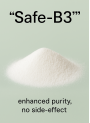
Safe-B3™ (Vitamin B3, Niacinamide)
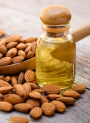
Glycerin (USP/Food Grade)
Phenoxyethanol (Extra Pure)
Dimethicone (Light/50, Low-Odor)
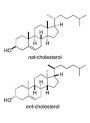
Cholesterol (95%, NF, Fine Powder)

Yeast Resurface
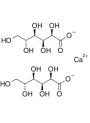
Calcium Gluconate
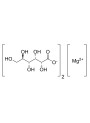
Magnesium Gluconate (5.8% Magnesium)
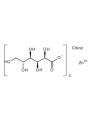
Zinc Gluconate
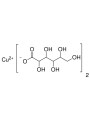
Copper Gluconate

Limonene, D-limonene (FEMA-2633) (China)
Linalool (FEMA-2635)
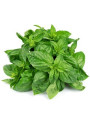
Sweet Basil Oil
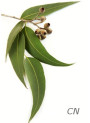
Eucalyptus Globulus Oil (China)
Lavandin Abrialis Oil
Lavender Oil (French, Elegant)
Rosemary Oil (Leaf, India)
Phytosphingosine (90% Purity)
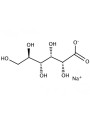
Sodium Gluconate