Serum Formulation: Texture, pH, Stability, and Ingredient Compatibility
Question
I am developing a water-based serum formulation with the following ingredients:
- Kojic Acid
- Alpha Arbutin
- N-acetyl Glucosamine
- Licorice Extract (Certified Organic)
- Syn®-Ake SYNAK-5G 3%
- Tego® Pep 4-17 3%
- Metabiotics Resveratrol 5%
- Ethyl Ascorbic Acid
- Niacinamide (Safe-B3™)
- Zinc PCA
- Laureth-23
- Ethoxydiglycol
- Propylene Glycol
Based on this formulation, I have the following questions:
- The current formula is very liquid. What can I add to increase its viscosity and make it a gel? Would adding Hyaluronic Acid (Standard Molecule) or Xanthan Gum at around 0.5% be suitable?
- What would be the approximate pH of this formula? Given the acidic ingredients (Kojic Acid, Alpha Arbutin, Acetyl L-Carnitine) and alkaline ingredients (N-acetyl Glucosamine, Sodium Ascorbyl Phosphate), how do these affect the overall pH?
- I am considering adding Acetyl L-Carnitine to stimulate cell turnover. Is this advisable given the existing ingredients and potential pH impact (Acetyl L-Carnitine has a low pH of 2-3)?
- Would adding Sodium Ascorbyl Phosphate help adjust the pH upwards? How would it interact with the other ingredients, particularly Ethyl Ascorbic Acid?
- Are there any compatibility issues between the listed ingredients, specifically between Ethyl Ascorbic Acid and Niacinamide (Safe-B3™) or Zinc PCA, as mentioned in the product descriptions?
- Considering the complexity and potential stability issues, would it be better to create separate formulations for whitening and anti-aging benefits?
Answer
Formulation Feasibility and Recommendations
Your proposed formulation is largely water-based, and as noted in the feedback, the inclusion of an emulsifier like Laureth-23 is unnecessary since there is no oil phase to emulsify. Removing Laureth-23 is a valid simplification.
The feedback also correctly points out that without a thickener, the serum will be very liquid. Adding a thickener such as Hyaluronic Acid (Standard Molecule) or Xanthan Gum at around 0.5% would help achieve a more desirable serum consistency.
Regarding the solvents Ethoxydiglycol and Propylene Glycol, the suggestion to potentially reduce their concentration or choose only one is reasonable. High concentrations of solvents, while aiding penetration, can sometimes lead to tackiness or irritation, and Ethoxydiglycol specifically can have a noticeable odor at high levels.
pH Concerns
A critical aspect of this formulation is managing the pH. As highlighted, several ingredients influence the pH:
- Acidic: Kojic Acid and Alpha Arbutin contribute to a lower pH.
- Alkaline: N-acetyl Glucosamine is alkaline.
- Very Acidic: Acetyl L-Carnitine has a very low pH (2-3).
The combination of these ingredients will result in a specific pH for the final product. The estimated pH of 4-5 from the feedback is plausible given the ingredients. However, it is essential to measure the actual pH of your final formulation using a pH meter.
Maintaining the pH within an appropriate range (generally 3.5-6.5 for many cosmetic formulations, though specific ingredients have narrower optimal ranges) is crucial for:
- Ingredient Stability: Several ingredients, including Licorice Extract, Syn®-Ake, Tego® Pep 4-17 (Pep®-PP4), and Metabiotics Resveratrol (ActiveRelease™ Trans-Resveratrol), can degrade or lose effectiveness at very low or high pH levels. Alpha Arbutin, in particular, can break down into hydroquinone at pH levels above 8, which is dangerous.
- Skin Compatibility: Formulas that are too acidic or too alkaline can cause skin irritation.
Additional Ingredients and Acetyl L-Carnitine
Adding more active ingredients, especially those that significantly alter pH, increases the complexity and potential for instability and irritation.
- Acetyl L-Carnitine: As strongly advised in the feedback, adding Acetyl L-Carnitine is not recommended. Its very low pH would significantly drop the formula's pH, likely destabilizing the sensitive natural extracts and peptides already present. While Acetyl L-Carnitine can offer benefits, the risk to the overall formula's stability and the potential for irritation outweigh the benefits in this already complex mixture.
- Additional Whitening Agents: The suggestion of Sodium Ascorbyl Phosphate is noted. This form of Vitamin C is alkaline (optimal pH 7-9) and could potentially help raise the formula's pH if needed, while also providing whitening benefits. However, introducing another Vitamin C derivative requires careful consideration of compatibility with Ethyl Ascorbic Acid and the overall pH balance. Ethyl Ascorbic Acid itself requires a pH between 3.5-6.0 and should not be used with Vitamin B3 (Niacinamide) or Zinc PCA according to its description, although your formula includes Niacinamide. This is a significant incompatibility issue that needs to be addressed.
Simplified Approach
The recommendation to separate whitening and anti-aging ingredients into different products is a sound one. This allows each formula to be optimized for the stability and efficacy of its specific active ingredients, particularly concerning pH requirements. Many whitening ingredients, such as Vitamin C and Niacinamide (Safe-B3™), already offer anti-aging benefits.
Summary of Recommendations:
- Remove Laureth-23: It is not needed in this water-based formula.
- Add a Thickener: Include Hyaluronic Acid (Standard Molecule) or Xanthan Gum (clear gel type) at around 0.5% to improve texture.
- Review Solvent Levels: Consider reducing the concentration of Ethoxydiglycol and Propylene Glycol or choosing just one to minimize potential odor or tackiness.
- Crucially, Measure and Adjust pH: After mixing, measure the actual pH of your final formulation using a pH meter. Aim for a pH range that ensures the stability of all ingredients, likely between 4.0-6.0, but verify the optimal pH for each specific ingredient used. Adjust with a suitable acid or base if necessary.
- Address Ingredient Incompatibilities: Note the incompatibility between Ethyl Ascorbic Acid and Niacinamide (Safe-B3™) as per the Ethyl Ascorbic Acid product description. You may need to choose a different form of Vitamin C or reformulate to avoid this conflict.
- Avoid Acetyl L-Carnitine: Do not add Acetyl L-Carnitine due to its low pH and the risk to formula stability.
- Consider Simplifying: For better stability and efficacy, consider creating separate serum formulations for whitening and anti-aging concerns.
By carefully considering the pH and ingredient compatibilities, you can create a more stable and effective serum.
Related Products Mentioned
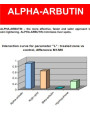
Alpha Arbutin (Switzerland)
Safe-B3™ (Vitamin B3, Niacinamide)

GlucoBright™ (Acetyl Glucosamine)
Ethoxydiglycol (e.q. Transcutol)
Propylene Glycol (USP)
Laureth-23
Glycerin (USP/Food Grade)
L-Carnitine (Carnitine)