Serum Formulation with High Concentration of Actives: Solubility, Stability, and Texture Challenges
Question
I need to formulate a serum using the following active ingredients:
- MSH White™ 2 %
- GlucoBright™ 4.00 %
- Safe-B3™ 5%
- Activated Resorcinol™ 1.00%
- Sym-White™ (Phenylethyl Resorcinol) 0.5%
- Yeast Radiance™ 3%
- 4MSK (Potassium Methoxysalicylate) 2%
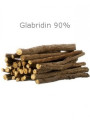
- Licorice Extract (Glabridin 90%) 0.5%
- CosmoWhite™ (1-Methylhydantoin-2-Imide) 1.50%
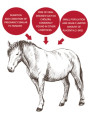
- Horse Placenta 2%
- Plankton Artemia Extract 2%
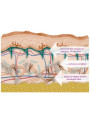
- Phytosphingosine SA 0.2%
- Marine Plankton (Lifting, Tightening) 2%
- Salmon Roe Extract 3%
- Live Yeast Cell Derivative (LYCD) 3%
- Hexapeptide-9 2%
- Tetrapeptide-21 3%
- Wild Yam Extract (Diosgenin 95%) 0.20%
- Ultrasomes Micrococcus Lysate 1.00%
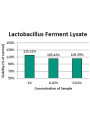
- Lactobacillus Ferment Lysate 3%
- Wakame Extract (Brown Sea Weed) 3%
Total: 43.45%
I need advice on which solvents and oil/water emulsifiers to use to achieve a serum texture for production. I plan to proceed with manufacturing.
Answer
Serum Formulation Guidance
Okay, I have reviewed the descriptions for the active ingredients you wish to include in your serum formulation. Based on their properties, here is a guide on incorporating them into a serum and the types of solvents and emulsifiers you would need.
Ingredient Solubility Overview
Based on the product descriptions:
- Water Soluble: Safe-B3 (Niacinamide), GlucoBright (Acetyl Glucosamine), Wakame Extract, Yeast Radiance, 4MSK, Plankton Artemia Extract, Marine Plankton, Horse Placenta, CosmoWhite (1-Methylhydantoin-2-Imide), Live Yeast Cell Derivative (LYCD), Hexapeptide-9, Tetrapeptide-21, Ultrasomes Micrococcus Lysate, Lactobacillus Ferment Lysate. These can generally be dissolved in the water phase of your formulation. Some are sensitive to heat and should be added at lower temperatures or in the final step.
- Oil Soluble: Activated Resorcinol (4-Butyl Resorcinol), MSH White (Undecylenoyl phenylalanine), Phenylethyl Resorcinol (Sym-White), Wild Yam Extract (Diosgenin), Phytosphingosine SA. These require an oil phase or specific oil-like solvents for dissolution.
- Soluble in Glycols/Alcohol: Licorice Extract (Glabridin 90%) requires Butylene Glycol or Ethanol.
- Dispersible in Viscous Water Phase: Salmon Roe Extract.
Solvents and Emulsifiers for a Serum Texture
To combine these ingredients into a serum, you will need:
- Primary Solvent (Water): This will be the base for dissolving the majority of your water-soluble actives.
- Co-solvents (Glycols/Alcohols): Ingredients like Butylene Glycol, Glycerin, or Propylene Glycol can help increase the solubility of some actives, improve texture, and provide hydration. Butylene Glycol is specifically needed to dissolve Licorice Extract (Glabridin 90%).
- Oil/Emollient: You will need an oil phase or specific emollients to dissolve the oil-soluble ingredients. Octyldodecanol is specifically required for dissolving Phytosphingosine SA. Other light oils or emollients compatible with your chosen emulsifier can be used for the other oil-soluble actives.
- Emulsifier System: To create a stable blend of your water and oil phases, you will need an O/W emulsifier or a combination of emulsifiers suitable for creating a serum-like emulsion. The choice depends on the total oil load and desired texture. Examples include non-ionic emulsifiers or polymeric emulsifiers that also provide thickening.
- Thickener/Gelling Agent: To achieve the desired serum viscosity, you will need a water-soluble polymer or gum. Examples include Hydroxyethylcellulose, Xanthan Gum, or Acrylates Crosspolymers (ensure compatibility with your actives, as some actives like Phenylethyl Resorcinol advise against Carbomer-type thickeners).
Formulation Challenges and Recommendations
It is important to note that the total concentration of your active ingredients is very high (43.45%). Formulating a stable serum with such a high active load is complex and presents significant challenges:
- Solubility and Compatibility: Combining ingredients with conflicting solubility requirements (water vs. oil vs. glycol) and optimal pH ranges will require careful formulation and potentially specialized techniques. Some oil-soluble actives require high heat for dissolution (MSH White, Phytosphingosine SA), while others are heat-sensitive (Activated Resorcinol, Phenylethyl Resorcinol) or need to be added at lower temperatures (many water-soluble extracts and peptides).
- Stability: A high concentration of diverse actives can lead to instability issues such as separation, precipitation, discoloration, or loss of efficacy over time. The pH must be carefully controlled to optimize the stability and efficacy of as many ingredients as possible, likely targeting a range around pH 4.5-5.5, which appears compatible with several key actives.
- Texture: Achieving a light, non-tacky serum texture with nearly 45% active ingredients will be difficult. The final product may be thicker than a typical low-viscosity serum.
- Processing: The mixing method will need to accommodate the specific dissolution requirements of ingredients like Phytosphingosine SA (requires Octyldodecanol, heat, and high shear mixing) and MSH White (requires heat in the oil phase), while protecting heat-sensitive components.
Given the complexity and the high concentration of actives, developing a stable and effective serum formulation requires significant expertise in cosmetic chemistry.
Recommendation:
While I can provide general guidance on ingredient types, creating a production-ready formula with this specific, high-concentration combination of actives is a complex task. It is highly recommended to work with a professional cosmetic formulator or a contract manufacturer who has the expertise and equipment to develop and stabilize such a challenging formulation for production. They can determine the precise percentages of base ingredients (solvents, emulsifiers, thickeners, stabilizers, preservatives) and the optimal manufacturing process to ensure the final product is stable, effective, and has the desired texture.
Related Products Mentioned
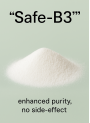
Safe-B3™ (Vitamin B3, Niacinamide)
GlucoBright™ (Acetyl Glucosamine)
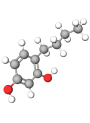
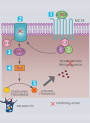
MSH White™ (Undecylenoyl phenylalanine)
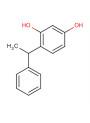

Wild Yam Extract (Diosgenin, Liquid)
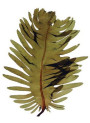
Wakame Extract (Brown Sea Weed)

Yeast Radiance™
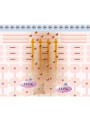
4MSK (Potassium Methoxysalicylate)

Plankton Artemia Extract
Phytosphingosine SA
Marine Plankton (Lifting, Tightening)
Horse Placenta
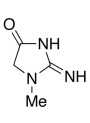
CosmoWhite™ (1-Methylhydantoin-2-Imide)

Live Yeast Cell Derivative (LYCD)
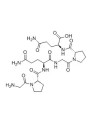
Hexapeptide-9 (1000ppm Solution)
Salmon Roe Extract (Norway)
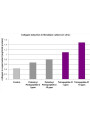
Tetrapeptide-21
Ultrasomes Micrococcus Lysate