Serum Formulation with Hyaluronic Acid and Ferments: Preservative, Penetration Enhancers, and Stability
Asked by: chakapoo
On: August 27, 2019
Product Type:
Cosmetics
Answered
Question
I am interested in formulating a serum with the following main active ingredients:
- 4D Hyaluronic 5%
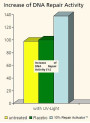
- Repair Activator 10%
- Galactomyces
I have the following questions:
- Is Mild Preserved Eco™ 1% sufficient as a preservative?
- Is using DMI / 1-2 Hexandiol / Lauropram / Phospholipid together too many penetration enhancers?
- What should be added to maintain the quality and prevent degradation of the main ingredients?
Answer
Hello,
Thank you for your inquiry. Regarding your formulation interests with 4D Hyaluronic Acid, Repair Activator (Bifida Ferment Lysate), and Galactomyces Ferment Filtrate, here are some considerations for your questions:
- Preservative (Mild Preserved Eco™ 1%): Mild Preserved Eco™ (Ethylhexylglycerin & Caprylyl Glycol) is a widely used preservative blend. A concentration of 1% is often effective, but its efficacy can depend on the overall formulation composition, pH, and the presence of other ingredients that might affect microbial growth. For formulations with high water content and multiple active ingredients like fermentation products, it's crucial to ensure the preservative system is robust. While 1% might be sufficient, it is highly recommended to follow the supplier's recommended usage rate and, ideally, perform microbial challenge testing on your final formulation to confirm its effectiveness.
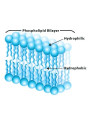
- Penetration Enhancers (DMI, 1-2 Hexanediol, Lauropram, Phospholipid): Using multiple penetration enhancers can indeed increase the delivery of active ingredients into the skin. However, using several different types together, especially at high concentrations, increases the risk of skin irritation, sensitization, and disruption of the skin barrier. DMI and 1,2-Hexanediol are common enhancers/solvents, while Lauropram (Lauryl PCA) and Phospholipids (like Hydrogenated Lecithin) function differently (Lauropram as a solvent/enhancer, Phospholipids often in delivery systems like liposomes or as barrier repair agents). Using all four might be excessive and potentially counterproductive in terms of skin compatibility. It is generally advisable to start with one or two well-chosen enhancers at effective concentrations and evaluate their performance and skin feel before adding more. Consider the specific properties of each enhancer and how they interact with your active ingredients and the rest of the formulation.
- Ingredient Stability: To maintain the quality and prevent degradation of your main active ingredients:
- Fermentation Products (Repair Activator, Galactomyces): These are sensitive to heat, light, and oxidation. Storing the final product in opaque or amber packaging can help protect against light. Adding an antioxidant (like Vitamin E or Ferulic Acid) can help protect against oxidation. Chelating agents (like Disodium EDTA or Tetrasodium EDTA) can sequester metal ions that might catalyze degradation reactions, especially if using tap water. Ensure the pH of your final formulation is within the optimal range for the stability and efficacy of these ingredients (typically slightly acidic to neutral, but check supplier specifications).
Always perform stability testing (e.g., accelerated aging tests) on your final formulation to ensure the ingredients remain stable and effective over time under various conditions.
Hope this helps with your formulation!
Related Products Mentioned
Mild Preserved Eco™ (Preservative-Free)
Cosmetics
Phospholipid
Cosmetics

4D Hyaluronic Acid
Cosmetics