Serum Formulation with Specific Ingredients: Compatibility and Alternatives
Question
I want to formulate a serum using the following ingredients: Alpha Arbutin, Hyaluronic Acid, Licorice Extract, Perfect-C™, Vitamin E, and Apple Phloretin™. I plan to use SiliSolve Plus as the emulsifier and Pro Polymer as the thickener.
- Are these ingredients compatible?
- How can I formulate a serum using these ingredients with
SiliSolve PlusandPro Polymer? - Are there alternative emulsifiers/thickeners if I don't have a high-speed blender?
Answer
Subject: Ingredient Compatibility for Serum Formulation
Based on the staff's reply, the ingredients you have selected are compatible with each other.
To create a serum from these ingredients, you have two main options, depending on whether you have a high-speed blender:
Option 1: Using SiliSolve Plus™ and Pro Polymer™ (Requires High-Speed Blender)
- This option uses SiliSolve Plus™ as the emulsifier and Pro Polymer™ as the gelling agent/thickener, as originally listed.
- Mixing Steps:
- Prepare the water phase: Dissolve water-soluble ingredients (Alpha Arbutin, Hyaluronic Acid, Licorice Extract - check solubility) in water.
- Prepare the oil/emulsifier phase: Dissolve oil-soluble ingredients (Perfect-C™, Vitamin E, Apple Phloretin™, Licorice Extract - check solubility) and SiliSolve Plus™ in the oil phase.
- Add Pro Polymer™ to the water phase and mix until dispersed or gelled.
- Slowly add the oil/emulsifier phase to the water phase while blending with a high-speed blender until a stable emulsion/serum is formed.
- Add any remaining ingredients (e.g., preservatives, fragrance) if needed, and adjust pH if necessary.
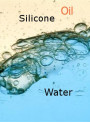
- Additional Considerations: You will need a suitable solvent for the oil-soluble ingredients if you are not using an oil phase. SiliSolve Plus is an O/W emulsifier for oil-in-water or silicone-in-water emulsions. Check the specific instructions for SiliSolve Plus on its product page. You will also need a preservative system and potentially a chelating agent.
Option 2: Using Satin Cream Maker™ (Alternative, No Blender Required)
- As suggested by the staff, you can replace SiliSolve Plus™ (ID 680) and Pro Polymer™ (ID 234) with Satin Cream Maker™ (ID 247). This simplifies the process and does not require a high-speed blender.
- Mixing Steps:
- Prepare the water phase: Dissolve water-soluble ingredients (Alpha Arbutin, Hyaluronic Acid, Licorice Extract - check solubility) in water.
- Prepare the oil/Satin Cream Maker phase: Dissolve oil-soluble ingredients (Perfect-C™, Vitamin E, Apple Phloretin™, Licorice Extract - check solubility) and Satin Cream Maker™ in the oil phase (if using one) or disperse Satin Cream Maker in a small amount of solvent/oil.
- Combine the water phase and the oil/Satin Cream Maker phase.
- Mix thoroughly with a standard mixer (e.g., overhead stirrer, magnetic stirrer) until a stable serum texture is achieved. Satin Cream Maker helps create a silky texture without high shear.
- Add any remaining ingredients (e.g., preservatives, fragrance) if needed, and adjust pH if necessary.
- Additional Considerations: Satin Cream Maker works well for creating serum/lotion textures. You will still need a suitable solvent for oil-soluble ingredients if not using an oil phase, a preservative system, and potentially a chelating agent.
General Notes for Both Options:
- Usage Rates: Crucially, check the recommended usage rate for each ingredient on its respective product page on the website. Do not exceed the maximum recommended concentration.
- Solubility: Ensure all ingredients are properly dissolved in their respective phases (water or oil/solvent) before combining. Some extracts might be water-soluble, others oil-soluble.
- Preservation: A broad-spectrum preservative system is essential for any water-based formulation to prevent microbial growth. This is not included in your list and must be added.
- pH Adjustment: Some ingredients (like Vitamin C derivatives) are pH-sensitive. You may need to adjust the final pH of the serum for optimal stability and efficacy, as well as skin compatibility. Check the recommended pH range for each ingredient.
- Stability Testing: After formulating, observe the serum for stability (separation, color change, odor change) over time.
Summary: The ingredients are compatible. Choose between the SiliSolve Plus/Pro Polymer method (requires blender) or the Satin Cream Maker method (simpler, no blender). Always check usage rates, ensure proper solubility, add a preservative, and consider pH adjustment.
Related Products Mentioned
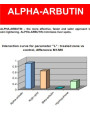
Alpha Arbutin (Switzerland)
Vitamin E (dl-alpha tocopherol)
Pro Polymer™ (Gel Maker)

Satin Cream Maker™
Double Hyaluron Liquid
SiliSolve Plus™
