Serum Ingredient Analysis for Anti-Wrinkle and Brightening Formulation
Question
Based on the provided ingredient list of a serum that absorbs well, I would like to produce a similar serum targeting anti-wrinkle and skin brightening effects. I do not know the exact percentages of the ingredients. Could you please analyze the ingredients and suggest adjustments or a base formula? The ingredients are listed in order:
- aqua
- Niacinamide
- Butylene Glycol
- PEG-40 Hydrogenated Castor Oil
- fructose
- Glycerin
- aesculus hippocastanum (horse chestnut) leaf extract
- Citric Acid
- Sericin
- potassium sorbate
- Phenoxyethanol
- triethylene glycol
- Sodium Hyaluronate
- Carbomer
- Triethanolamine
- Aloe Barbadensis Leaf Extract
- maltodextrin
- hydrolyzed collagen
- EDTA
Answer
Serum Ingredient Analysis for Anti-Wrinkle and Brightening
You've provided a list of ingredients from a serum you like, and you're interested in understanding its composition for anti-wrinkle and skin brightening effects, and potentially formulating your own. Here's an analysis of the key ingredients based on their typical roles in cosmetics and information from our product descriptions:
Key Ingredients and Their Benefits
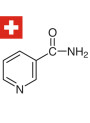
- Niacinamide (Vitamin B3): This is a standout ingredient for both your goals. It's known to help reduce the appearance of wrinkles and fine lines, improve skin elasticity, and significantly brighten skin tone by reducing hyperpigmentation. Our Safe-B3™ (Vitamin B3, Niacinamide) and Extreme-B3™ (Vitamin B3, Niacinamide, Highest Purity) are high-purity options that can be used at effective concentrations (up to 10%) for these benefits.
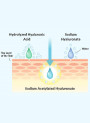
- Sodium Hyaluronate: A form of Hyaluronic Acid, this ingredient is a powerful humectant that draws moisture into the skin. This hydration plumps the skin, which helps to reduce the visible depth of fine lines and wrinkles, contributing to an anti-aging effect. Super-HYA™ (Sodium Acetylated Hyaluronate, AcHA) is an example of a modified Hyaluronic Acid with enhanced skin absorption.
- Hydrolyzed Collagen: When applied topically, hydrolyzed collagen primarily functions as a hydrator and film-former, helping the skin feel smoother and more supple. This can temporarily reduce the appearance of wrinkles by improving skin hydration. Collagen HP is an ultra-miniature collagen designed for enhanced hydration and wrinkle reduction.
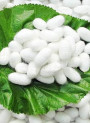
- Sericin (Hydrolyzed Silk Protein): This silk-derived protein is known for its moisturizing properties, helping to improve skin hydration and smoothness. Our Hydrolyzed Silk Protein (Sericin) is available in different forms.
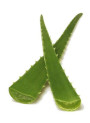
- Aloe Barbadensis Leaf Extract (Aloe Vera Extract): Primarily known for its soothing, anti-inflammatory, and hydrating benefits. While not a primary active for intense brightening or wrinkle reduction, it supports overall skin health and can help calm irritation.
- Butylene Glycol, Fructose, Glycerin, Triethylene Glycol: These are common humectants and solvents that contribute to the serum's texture and hydration.
- PEG-40 Hydrogenated Castor Oil: Likely used as a solubilizer.
- Aesculus Hippocastanum (Horse Chestnut) Leaf Extract: Often used for antioxidant or anti-inflammatory properties.
- Citric Acid: Likely used as a pH adjuster in this formula. Our Citric Acid (Anhydrous, Natural) is suitable for this purpose.
- Potassium Sorbate, Phenoxyethanol, EDTA: These are preservatives and chelating agents essential for product stability and safety.
- Carbomer, Triethanolamine: These are gelling agents and pH adjusters used to create the serum's desired texture.
Formulating Your Own Serum
The ingredient list order generally indicates the relative concentration (highest to lowest), but it doesn't provide exact percentages. Creating your own stable and effective serum requires careful consideration of:
- Ingredient Percentages: The concentration of active ingredients significantly impacts efficacy and potential irritation.
- Compatibility: Ensuring all ingredients work well together without degradation or unwanted reactions.
- Stability: The final formula must remain stable over time under various conditions.
- pH Level: Maintaining the correct pH is crucial for ingredient efficacy and skin health. Ingredients like Citric Acid and Triethanolamine are used for this.
- Preservation: A robust preservative system is necessary to prevent microbial growth.
Based on the ingredients you provided, a serum focusing on Niacinamide, Sodium Hyaluronate, Hydrolyzed Collagen, and Sericin, supported by humectants and a suitable gelling and preservation system, would align with your goals for anti-wrinkle and brightening effects while aiming for a texture that absorbs well.
Related Products Mentioned
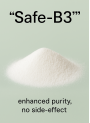
Safe-B3™ (Vitamin B3, Niacinamide)
Collagen HP