Serum Ingredient Information
Asked by: tbunwong2
On: October 07, 2023
Product Type:
Cosmetics
Answered
Question
What are the functions and typical usage rates of the listed ingredients in a serum formulation?
Answer
Serum Ingredient Information
Here is information about the ingredients you listed, including their function in cosmetic products and typical usage ranges:
- Niacinamide: Also known as Vitamin B3, it helps reduce wrinkles and dark spots, improves skin hydration, strengthens the skin barrier, and controls oil production. It is suitable for acne-prone skin.
- Typical Usage Rate: 1-10% (5% recommended; Safe-B3™ can be used up to 10% without irritation).
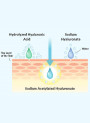
- Hyaluronic Acid: Available in various molecular sizes, it acts as a humectant, helping the skin retain water for hydration, plumping, and reducing the appearance of wrinkles.
- Typical Usage Rate: 0.05-0.5% for general to very dry skin (For ready-to-use 4D Hyaluronic Acid gel base, 2-20% is recommended depending on skin type).
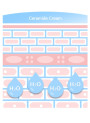
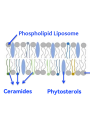
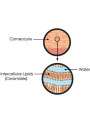
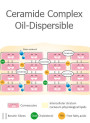
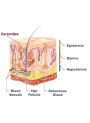
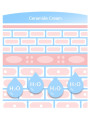
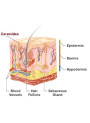
- Ceramide: A key component of the skin barrier, it helps restore dry and damaged skin, increases moisture, and reduces irritation. Various types and forms are available (water/oil dispersible powder, water-based complex).
- Typical Usage Rate: 0.01-3% (0.1% recommended for Ceramide NP/AP powder, 1% for Ceramide Complex powder, 5% for Cera-Flux V/VX and Ceracare™ Liposome-3 water-based).
- Bakuchiol: A natural extract with effects similar to retinol but less irritating. It helps reduce wrinkles, stimulate collagen production, and control oiliness.
- Typical Usage Rate: 0.5-1% (1% recommended). Should be used with a penetration enhancer for maximum efficacy.
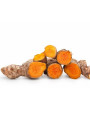
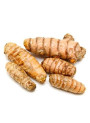
- Curcumin Extract (Tetrahydrodiferuloylmethane): Extracted from turmeric, it has antioxidant properties and helps brighten skin and reduce dark spots. Available in powder (soluble in oil/glycol) and liquid (soluble in water) forms.
- Typical Usage Rate: 0.1-4% (0.2% recommended for powder type, 2.5-3.0% for liquid type).
- Glycerin: A humectant that helps draw and retain water in the skin, making products feel soft and smooth.
- Typical Usage Rate: 1-100% (not suitable for direct application to skin).
- Butylene Glycol: Acts as a solvent and humectant, generally milder than Propylene Glycol.
- Typical Usage Rate: 1-20%.
- Methylpropanediol: A solvent and humectant that enhances the absorption of other ingredients and boosts preservative efficacy.
- Typical Usage Rate: 0.1-50%.
- 1,2-Hexanediol: A solvent, humectant, and preservative booster. Often used in preservative-free or reduced-preservative formulas.
- Typical Usage Rate: 1-10% (3% for preservative boosting, 2-4% for penetration enhancement, 3-5% for hydration).
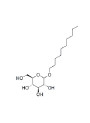
- Caprylyl/Capryl Glucoside: A mild surfactant commonly used in skin and hair cleansing products.
- Typical Usage Rate: 1-10%.
- Acrylates/C10-30 Alkyl Acrylate Crosspolymer: Also known as Carbomer, it is a thickening agent/gel former for water-based formulas. Some types are electrolyte tolerant.
- Typical Usage Rate: 0.1-3% (depending on desired viscosity).
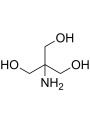
- Tromethamine: Used as a pH adjuster or buffer to maintain formula stability and optimal pH levels.
- Typical Usage Rate: 0.1-1.0%.
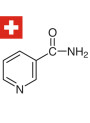
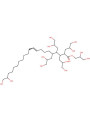
- Polyglyceryl-10 Oleate: Acts as an oil-in-water emulsifier, suitable for creating gel-like emulsions.
- Typical Usage Rate: 1-6%.
- Sodium Phytate: A chelating agent that binds metal ions, improving formula stability and preventing oxidation. It also has antioxidant and skin conditioning properties.
- Typical Usage Rate: 0.1-1%.
- Ethylhexylglycerin: A mild preservative and humectant, often used in combination with other preservatives.
- Typical Usage Rate: 0.3-1.0%.
- Prebiotic: Supports the growth of beneficial skin microflora (Skin Normal Flora), helping to reduce irritation, restore the skin barrier, and reduce the chance of acne/dandruff (depending on the specific prebiotic type).
- Typical Usage Rate: 1-5% (3% recommended).
I hope this information is helpful for understanding the ingredients in your serum.
Related Products Mentioned
Safe-B3™ (Vitamin B3, Niacinamide)
Cosmetics
Glycerin (USP/Food Grade)
Cosmetics
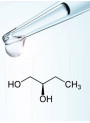
Butylene Glycol
Cosmetics
Ethylhexylglycerin
Cosmetics
Cerasoft™ (Synthetic Ceramide)
Cosmetics

Glycerin Gel (Glyceryl Polyacrylate)
Cosmetics
Caprylyl/Capryl Glucoside
Cosmetics
Prebio-care (Skin Prebiotic)
Cosmetics
Polyglyceryl-10 Oleate
Cosmetics
4D Hyaluronic Acid
Cosmetics

Hyaluronic Acid (China)
Cosmetics

Hair-Prebiotic™
Cosmetics
Hyaluronic Acid Gel Base
Cosmetics

Bakuchiol-Eco ™ (Natural Retinol)
Cosmetics
Ceramide 6-II (Ceramide AP)
Cosmetics
Sodium Phytate
Cosmetics
Tromethamine (TRIS, eq. AMINO ULTRA PC)
Cosmetics
Methylpropanediol
Cosmetics
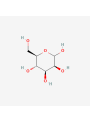
Prebio-Man (D-Mannose Skin Prebiotic)
Cosmetics