Serum Ingredients for Lifting, Wrinkles, Melasma, and Freckles
Question
I am looking for ingredient recommendations to formulate a serum that provides significant face lifting and wrinkle reduction. I also want to formulate a serum that significantly reduces melasma and freckles. Could you please provide recommendations?
Answer
Serum Recommendations for Lifting, Wrinkles, Melasma, and Freckles
Here are some recommended ingredients for formulating serums targeting face lifting, wrinkle reduction, and reducing melasma and freckles:
For Face Lifting and Wrinkle Reduction
To create a serum that helps lift and reduce wrinkles, consider using ingredients that stimulate collagen production and provide a tightening effect:
- Pep®-Coll (Palmitoyl tripeptide-5): This peptide is designed to stimulate the skin's natural collagen production. Research shows it can effectively reduce wrinkles over time. It is suitable for use in serums, lotions, or creams at a recommended rate of 3% (can be used 1-5%). Mix in the water phase below 40°C.
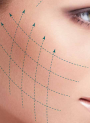
- Lift-Now™: This ingredient provides an immediate, temporary skin tightening effect using seaweed extract and pullulan. It can reduce the appearance of wrinkles within 30 minutes to an hour. It's ideal for daytime products and can be combined with long-term anti-wrinkle ingredients like peptides for both instant and lasting results. Recommended usage rate is 5% (can be used 1-10%). Mix in the water phase.
- Retinol / HyaRetin™: Retinol is a classic ingredient for wrinkle reduction by converting to Retinoic Acid in the skin. HyaRetin™ is a more stable form of Retinoic Acid encapsulated in Hyaluronic Acid, offering enhanced penetration and reduced irritation. Use Retinol (100% Pure Powder) at no more than 0.1% (soluble in alcohol/some oils). Use HyaRetin™ at 0.01-0.1% (soluble in water phase, avoid cationic substances).
- Safe-B3™ (Vitamin B3, Niacinamide): This high-purity Vitamin B3 helps reduce wrinkles, adds moisture by stimulating ceramide production, strengthens the skin barrier, and can reduce redness and oiliness. It can be used at up to 10% without causing flushing (recommended 5%). Mix in the water phase (pH 3-8, best 4-7). It also helps with hyperpigmentation.
Combining ingredients like Pep®-Coll for long-term collagen building and Lift-Now™ for immediate tightening can create a comprehensive anti-aging serum.
For Reducing Melasma and Freckles
To create a serum specifically for reducing melasma and freckles, focus on ingredients that inhibit pigment production and transfer:
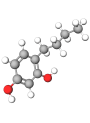
- Activated Resorcinol™ (4-Butyl Resorcinol): A highly effective skin brightening agent that reduces the activity of tyrosinase (the enzyme that produces pigment) and inhibits pigment transfer. It is significantly more effective than Vitamin C or Arbutin. Use at no more than 1% for leave-on products. It is oil-soluble and should be mixed in the oil phase below 40°C. Use with Disodium EDTA (0.2%) and potentially an antioxidant like ActiveProtec™ OX (0.6%) to prevent discoloration. Results typically appear after at least 4 weeks.
- Tranexamic Acid (Trans-White™): This ingredient reduces melanin pigment formation and is effective for treating blemishes caused by sunlight. It is commonly used in brightening products. Use at a rate of 3% (higher concentrations require drug registration). Mix in the water phase (pH 3-8). Store in the refrigerator.
- Pep-Even™ (Tetrapeptide-30): This peptide works by inhibiting the movement of pigment from melanin-producing cells to skin cells, helping to brighten skin tone. Use at 0.5-5.0%. Mix in the water phase, do not expose to heat. Store in the refrigerator.
- Safe-B3™ (Vitamin B3, Niacinamide): As mentioned above, Safe-B3™ also helps reduce hyperpigmentation and improve skin tone, making it a versatile ingredient for both anti-aging and brightening serums. Use at 5-10% in the water phase.
For effective melasma and freckle reduction, a combination of these ingredients targeting different pathways of pigmentation can be beneficial.
Related Products Mentioned
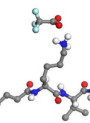
Pep®-Coll (Palmitoyl tripeptide-5)
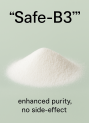
Safe-B3™ (Vitamin B3, Niacinamide)
Lift-Now™
Tranexamic Acid (Trans-White™)
Retinol (100% Pure Powder)