Serum/Lotion Formula Review: Compatibility and Ingredient Comparison
Question
The user is asking for a review of a proposed serum/lotion formula. The formula includes the following ingredients and percentages: Phenylethyl Resorcinol (eq. Sym-White™) 0.5%, Ethyl Ascorbic acid (Vitamin C Ethyl Ether) 3%, 4MSK (Potassium Methoxysalicylate) 2%, MSH White™ (Undecylenoyl phenylalanine) 2%, Phytosphingosine 0.1%, PalGLY (Palmitoyl Glycine) 1%, Ectoine (Ectoin, from Bio-fermentation) 2%, Japanese Cedar (Cryptomeria Japonica Bud Extract) 1%, Adenosine Liposome 3%, Rice Vitamin 2%, Phospholipid 3%, Ethoxydiglycol 2.3%, Super-HYA 0.1%, Fullerene C60 0.5%, LipidSoft™ Lite 10%, Moist Cream Maker™ 3%, Pectin (สารสร้างเนื้อเจล จาก Citrus) (Low Ester) 1.5%, ActiveProtec™ OX 1%, ActiveProtec™ UV 2%, Phenoxyethanol SA (eq. Optiphen Plus) 1%, Glyceryl glucoside (Japan) 3%, Methyl Gluceth-20 2%, Isododecane (Japan) 9%, WATER 45%. The user wants to know if any ingredients are incompatible or redundant, and if the formula is feasible. Additionally, the user asks which ingredient is better between Japanese Cedar (Cryptomeria Japonica Bud Extract) 1% and FruitPeel™ (ผลัดเซลล์ด้วยผลไม้) 3%.
Answer
Formula Review: Compatibility, Redundancy, and Feasibility
You've put together a comprehensive list of ingredients for a serum/lotion, targeting multiple skin concerns like whitening, anti-aging, and hydration. It's a complex formula with many potent actives.
Creating a stable and effective cosmetic formulation with this many active ingredients requires careful consideration of their properties and potential interactions.
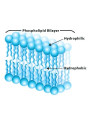
Compatibility: Many of the ingredients have specific requirements regarding pH and temperature during mixing. For example, Phenylethyl Resorcinol works best at pH 4-5, Ethyl Ascorbic Acid requires pH 3.5-6.0, Japanese Cedar and Adenosine Liposome should avoid heat above 40°C, and Phospholipid needs specific dispersion methods. Electrolytes like 4MSK and ActiveProtec™ OX can affect the formula's stability. Finding a single pH and manufacturing process that accommodates the optimal conditions for all these ingredients simultaneously is challenging. Thorough stability testing is essential.
Redundancy: Your formula includes several ingredients aimed at skin whitening (Phenylethyl Resorcinol, Ethyl Ascorbic Acid, 4MSK, MSH White™). While they have different mechanisms of action, using four potent whitening agents in one formula might lead to overlapping effects and potentially increase the risk of skin irritation without a proportional increase in whitening benefits.
Feasibility: The formula is technically feasible in terms of combining water and oil phases. However, the complexity arising from the diverse solubility, pH, and temperature requirements of the ingredients makes it difficult to manufacture without specialized knowledge and equipment. The percentages listed also sum to over 100%, which would need to be corrected.
In summary, while the combination of ingredients targets multiple desirable skin benefits, the formula is highly complex. Achieving a stable, effective, and non-irritating product would require significant formulation expertise and rigorous stability and compatibility testing in a laboratory setting.
Japanese Cedar vs. FruitPeel™ Comparison
You asked about the difference between Japanese Cedar (Cryptomeria Japonica Bud Extract) and FruitPeel™ (Fruit Extracts for exfoliation) and which might be better.
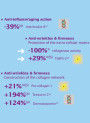
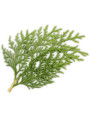
Japanese Cedar (Cryptomeria Japonica Bud Extract): This ingredient focuses on enhancing the skin's natural renewal process from within. It helps improve skin cell turnover from the deeper layers, strengthens the skin barrier, increases hydration, and contributes to overall skin quality and anti-aging by boosting key enzymes and proteins involved in these processes. It is described as gentle.
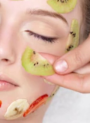
FruitPeel™: This ingredient provides gentle exfoliation using fruit extracts. Its primary function is to help shed dead skin cells from the surface, leading to smoother, brighter skin. It is noted as being less acidic than traditional AHAs, making it gentler. It also showed benefits in reducing wrinkles and lightening dark spots through its exfoliating action.
Comparison:
Japanese Cedar works more on the internal mechanisms of skin health, focusing on cell vitality, barrier strength, and deeper renewal. FruitPeel™ works more on the surface of the skin through gentle exfoliation.
Given your existing formula contains multiple strong whitening agents that already contribute to cell turnover and reducing pigmentation, adding Japanese Cedar might be more beneficial. Its focus on strengthening the skin barrier and supporting overall skin health could help the skin better tolerate the other potent actives in your formula and maintain its integrity. While FruitPeel™ offers exfoliation and some overlapping benefits like spot lightening, adding another ingredient that promotes cell turnover through exfoliation in an already active-heavy formula might increase the risk of irritation.
Therefore, Japanese Cedar's focus on barrier support and internal skin health seems more complementary to your complex formula than FruitPeel™'s primary exfoliating action.
Related Products Mentioned
Ethoxydiglycol (e.q. Transcutol)
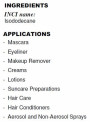
Isododecane (Germany)
Rice Vitamin (Inositol, Vitamin B8)
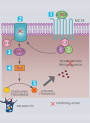
MSH White™ (Undecylenoyl phenylalanine)
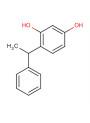

Phenoxyethanol SA (eq. Optiphen Plus)
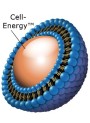
Adenosine Liposome
Phospholipid
4MSK (Potassium Methoxysalicylate)
FruitPeel™ exfoliates cells with fruit
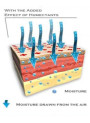
Methyl Gluceth-20
Ectoine (Ectoin, from Bio-fermentation)
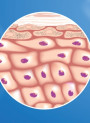
Phytosphingosine (90% Purity)
Pectin (Low Ester, from Sunflower)
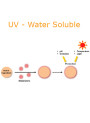
ActiveProtec™ UV
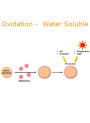
ActiveProtec™ OX