Serum Separation: Causes and Solutions for Extra Whitening Formula
Question
I made an Extra Whitening serum formulation that separated overnight, with a clear silicone layer appearing on top.
My formula and mixing steps included ingredients such as Coenzyme Q10, Silicone gel base, and Warp Cream Maker. I suspect the separation might be related to these ingredients or my process.
Could you please help identify the cause of the separation and suggest ways to fix my formula or mixing method to prevent this from happening?
Answer
Explanation for Serum Separation
Regarding your Extra Whitening serum formula that separated overnight with a clear silicone layer on top, based on the formula and mixing steps provided, the separation is likely due to a combination of factors:
- Insufficient Emulsifier (Warp Cream Maker): Your formula has a relatively high percentage of silicone and oils combined (around 63%) with water as the internal phase (around 35%). Creating a stable Water-in-Silicone (W/Si) or Water-in-Oil (W/O) emulsion with a high external phase requires an adequate amount of emulsifier. Warp Cream Maker is a W/Si emulsifier, and its usage instructions suggest an example formula using 8% emulsifier for a lower silicone/oil phase percentage than yours. Using only 5% Warp Cream Maker (and then adding more Silicone gel base, further increasing the external phase) might not be enough to stabilize an emulsion with such a large external phase, leading to the silicone layer separating out.
- Incorrect Placement of Coenzyme Q10: Coenzyme Q10 is oil-soluble, but it was placed in Part A (the water phase) in your formula. Although the serum appeared uniformly reddish-orange initially, indicating the Q10 might have been dispersed, its insolubility in water can disrupt the stability of the water phase and, consequently, the entire emulsion. Coenzyme Q10 should be in Part C (the oil phase).
- Adding Silicone Gel Base Later: Adding an extra 5% Silicone gel base after the water phase was already incorporated (or attempted to be incorporated) can destabilize the system by altering the phase ratio and potentially interfering with the emulsifier's structure, making separation more likely.
Suggested Solutions to Prevent Separation
To improve the stability of your serum and prevent separation, you can modify the formula and mixing process:
- Move Coenzyme Q10 to the Oil Phase: Add the 4% Coenzyme Q10 to Part C (oil phase) to ensure it dissolves correctly in the oil.
- Increase Amount of Warp Cream Maker: Consider increasing the amount of Warp Cream Maker to 8-10% of the total formula. This higher concentration should provide better emulsification and long-term stability for your high oil/silicone load.
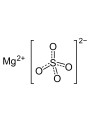
- Consider a Water Phase Stabilizer: Although the water content is low, adding a small amount (around 0.1-0.3%) of a water-phase thickener or stabilizer like Pro Polymer or AnyGel, or 1% Magnesium Sulfate (as suggested in the Warp Cream Maker description for W/O formulas), to Part A can help stabilize the internal water droplets before emulsification.
- Refine Mixing Steps:
- Prepare Part A (water phase) by dissolving all water-soluble ingredients (Disodium EDTA, Allantoin, Vitamin B3, NAG) in water. Add Hyaluron liq and Aloe vera. If using Pro Polymer/AnyGel or Magnesium Sulfate, incorporate them here. Mix until homogeneous.
- Prepare Part B (silicone and Warp Cream Maker) and Part C (oils and oil-soluble actives, including Coenzyme Q10) separately. Combine B and C and mix until homogeneous. Gentle warming may help dissolve some actives in Part C and disperse the emulsifier in the silicone/oil phase (ensure temperature is not too high for actives).
- While mixing the combined B+C phase with a high-shear blender (at least 1000 rpm as recommended for Warp Cream Maker), gradually add Part A (water phase) slowly in a thin stream. Continue high-shear mixing until a homogeneous emulsion is formed.
- Continue mixing for a sufficient time to ensure the emulsion is stable.
- Once the serum has cooled down (if heat was used), add Part D (Phenoxyethanol, fragrance) and mix until fully incorporated.
Adjusting the formula by relocating Coenzyme Q10, increasing the emulsifier concentration, and refining the mixing process according to the emulsifier type should significantly improve the stability of your serum and prevent separation.
Related Products Mentioned
Vitamin E (Tocopheryl Acetate)
Safe-B3™ (Vitamin B3, Niacinamide)

Allantoin

Natural Bisabolol (Brazil Chamomile)
Phenoxyethanol (Extra Pure)
Fractionated Coconut Oil
Disodium EDTA
Pro Polymer™ (Gel Maker)
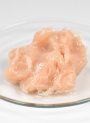
Warp Cream Maker™ (e.q. Nikkomulese wo)
Double Hyaluron Liquid
LipidSoft™ CC (Cetyl Ethylhexanoate)
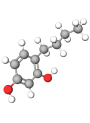
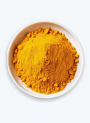
Coenzyme Q10 (98%, Powder, Oil-Soluble)