Shampoo and Conditioner Formulation Review and Adjustments
Question
Based on the following shampoo and conditioner formulas, can they be mixed together? Are there any ingredients that should be increased, decreased, or changed?
Shampoo Formula:
- Water 60%
- Sulfate Free Shampoo Base (pH 7, Clear, Foaming) 30%
- Poly-Conditioner Eco 3%
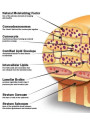
- Natural Moisturizing Amino Acids 1%
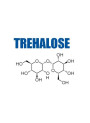
- TreMoisture™ (Trehalose) 1%
- Condi-B5™ (Panthenyl Hydroxypropyl Steardimonium Chloride) 1%
- Citric Acid (High Purity, Anhydrous) (add last to adjust pH)
- SugarThick 2 %
- สารกันเสีย 1%
- Frangrance 1%
Conditioner Formula:
- Distill Water 80%
- Cetyl Alcohol 8%
- BTAC 2%
- CTAC (30%) 1%
- Propylene Glycol 1%
- Hydro Protein (Soy, Oat, Wheat, Maize Protein) 1%
- Pure Keratin 1%
- Condi-B5™ (Panthenyl Hydroxypropyl Steardimonium Chloride) 3%
- Citric Acid (High Purity, Anhydrous)
- Fragrance 1%
- สารกันเสีย 1%
Answer
Subject: Regarding Shampoo and Conditioner Formulations
Hello,
Thank you for sharing your shampoo and conditioner formulations. Based on the ingredients listed, these formulations are generally compatible for creating separate shampoo and conditioner products. The ingredients are commonly used in hair care.
Regarding your question about Citric Acid in the shampoo formula: Yes, you are correct. Citric Acid (High Purity, Anhydrous) is typically added at the end to adjust the pH of the formulation to the desired range (usually slightly acidic, around pH 5-6 for shampoo).
Here are some comments and potential adjustments for your formulas:
Shampoo Formula:
- The base ingredients like the Sulfate Free Shampoo Base, SugarThick, preservative, and fragrance are at typical usage levels.
- The moisturizing ingredients (Natural Moisturizing Amino Acids, TreMoisture™) are good additions at 1% each.
- Potential Adjustment: The levels of conditioning polymers, specifically Poly-Conditioner Eco (Polyquaternium-7) at 3% and Condi-B5™ at 1%, seem quite high for a shampoo. High levels of cationic polymers in shampoo can sometimes reduce foam, affect clarity, and potentially lead to hair feeling heavy or experiencing build-up over time.
- Consider decreasing the Poly-Conditioner Eco (Polyquaternium-7) level, perhaps to 0.5% - 1%, especially since you also have Condi-B5™. This might improve lather and rinse-off feel while still providing conditioning benefits. You can test different levels to find what works best.
Conditioner Formula:
- The base ingredients like Distilled Water, Cetyl Alcohol, BTAC, and CTAC are at standard levels for a rinse-off conditioner, providing good conditioning and structure.
- Propylene Glycol, Hydro Protein, Pure Keratin, preservative, and fragrance are also at typical inclusion levels.
- Potential Adjustment: Similar to the shampoo, the level of Condi-B5™ (Panthenyl Hydroxypropyl Steardimonium Chloride) at 3% seems relatively high, especially when combined with BTAC and CTAC. While it adds conditioning, high levels of multiple cationic ingredients can increase the risk of build-up on the hair.
- Consider decreasing the Condi-B5™ level, perhaps to 0.5% - 1%. This could help prevent potential build-up while maintaining good conditioning from the other ingredients.
Summary:
The formulations are viable starting points. The main area to potentially adjust is the level of conditioning polymers (Polyquaternium-7 in shampoo, Condi-B5™ in both, but particularly high in the conditioner) to optimize performance and minimize build-up. Testing small batches with adjusted levels is recommended.
Hope this helps!
Related Products Mentioned
Propylene Glycol (USP)
Citric Acid (Monohydrate, Natural)
Cetrimonium Chloride (CTAC)
Cetyl Alcohol
TreMoisture™ (Trehalose)

Poly-Conditioner Eco