Shampoo Formula Review and Hair Conditioner Formulation
Question
I have developed a shampoo formula and would like to know if it is too strong. Please review the formula below and advise if any adjustments are needed. Additionally, I would like to know which ingredients are necessary for formulating a hair conditioner, particularly for colored and split ends.
Shampoo Formula:
- Coco-betaine: 15.00%
- Lauryl glucoside: 10.00%
- Baby foam: 10.00%
- Creamy foamer: 10.00%
- Glycerin: 20.00%
- Propylene glycol: 5.00%
- Vitamin B5: 0.30%
- Zinc pca: 0.20%
- Natural moisturizing: 0.50%
- Water: 28.00%
- Phenoxyethanol: 1.00%
Answer
Hair Conditioner Formulation and Shampoo Formula Review
Here is some information on formulating hair conditioner and feedback on your shampoo formula, along with potential causes for itchy scalp.
Hair Conditioner Formulation Basics
To create a creamy hair conditioner, especially one suitable for colored and split ends, you will need several key types of ingredients:
- Conditioning Agents: These are the core of a conditioner. Cationic ingredients are commonly used as they bind to the negatively charged hair surface, smoothing the cuticle, reducing static, and improving detangling. Examples include Steartrimonium Chloride or Polyquaternium compounds like Poly-Conditioner Pro. Silicones like Hair-Cond™ SM are also excellent for providing slip, shine, and helping to seal split ends.
- Thickeners/Structuring Agents: These give the conditioner its creamy texture and body. Fatty alcohols (like Cetyl Alcohol or Cetearyl Alcohol, though not listed in the search results, are standard) are often used in combination with emulsifiers. Water-phase thickeners like CreamThick™ can also contribute to the desired consistency.
- Emollients: Oils, esters, or butters help to soften and moisturize the hair, improving manageability and reducing breakage. LipidSoft™ Palm is an example of an emollient that can be used.
- Water: This is the main base of the conditioner.
- Humectants: Ingredients like Glycerin and Propylene Glycol help attract and retain moisture in the hair.
- Actives/Benefit Ingredients: Depending on the desired benefits, you can add ingredients like Panthenol (Vitamin B5) for moisture and strength, or ColorFix™ to help preserve hair color.
- Preservative: Essential to prevent microbial growth. Phenoxyethanol is a common choice.
A basic process involves heating the water phase and oil/fatty phase separately, combining them with emulsifiers, cooling while stirring, and adding heat-sensitive ingredients like preservatives and some actives below a certain temperature.
Review of Your Shampoo Formula
Your shampoo formula uses mild surfactants like Coco-Betaine and Lauryl Glucoside, which is good for gentleness. However, the total concentration of surfactants (Coco Betaine, Lauryl Glucoside, Baby Foam, Creamy Foamer) appears quite high at 45%. While these are mild surfactants individually, such a high total percentage might still be more cleansing than necessary for frequent use or sensitive scalps, potentially leading to dryness.
The percentage of Glycerin at 20% is also very high for a shampoo. Glycerin is a humectant, but at high concentrations in a rinse-off product like shampoo, it can sometimes leave a sticky or heavy feeling on the hair and scalp. A more typical range for glycerin in shampoo is 1-10%.
The water percentage (28%) is unusually low for a shampoo, which is typically the primary ingredient (often 50-80%).
Vitamin B5 at 0.3% is a good addition for hair health, though you could consider increasing it slightly (e.g., to 0.5-1%) for more noticeable conditioning benefits in a shampoo.
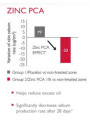
Zinc PCA at 0.2% is appropriate for its scalp benefits, such as reducing oiliness and potentially helping with irritation.
Phenoxyethanol at 1% is a standard and effective preservative level.
Overall: The formula uses good, mild ingredients, but the high levels of surfactants and glycerin, combined with low water, make the formula quite concentrated and potentially unbalanced. It might be too strong or heavy for some users despite the mild surfactant types. You might consider reducing the total surfactant load and glycerin percentage, and increasing the water phase for a more balanced and user-friendly shampoo.
Itchy Scalp Without Dandruff
An itchy scalp without visible flakes (dandruff) can be caused by several factors:
- Dry Scalp: Lack of moisture can lead to itching. This is different from dandruff, which is often related to an overgrowth of yeast.
- Product Sensitivity or Buildup: Reactions to ingredients in shampoo, conditioner, or styling products, or residue left on the scalp, can cause irritation and itching.
- Contact Dermatitis: An allergic reaction to something touching the scalp.
- Fungal Infections: While Malassezia yeast causes typical dandruff, other fungal infections can cause itching without significant flaking.
- Other Skin Conditions: Conditions like eczema or psoriasis can affect the scalp and cause itching.
- Stress or Hormonal Factors: These can sometimes contribute to scalp sensitivity.
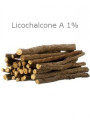
Ingredients like Licorice Extract and Allantoin are known for their soothing and anti-irritant properties and could potentially help alleviate scalp itching caused by dryness or irritation.
Related Products Mentioned
Allantoin
Propylene Glycol (USP)
Glycerin (USP/Food Grade)
Phenoxyethanol (Extra Pure)
Lauryl Glucoside
Zinc PCA
LipidSoft™ Palm (Ethylhexyl palmitate)
Poly-Conditioner Pro (400 mPa.s)
Steartrimonium Chloride (30% liquid)