Shampoo Formula Review: Cleansing, Conditioning, and Ingredient Levels
Question
I have a shampoo formula divided into cleansing and conditioning parts. I would like a review and feedback on the following:
Cleansing Part:
- Water (58.8%)
- Taxapon-n-8000 (SLES 28%) (8.8%)
- Decyl Glucoside (3.5%)
- Cocamidopropyl Betaine (CAPB) (8.8%)
- Is it true that Taxapon-n-8000 can cause irritation, as mentioned by the staff?
- What are the alternative chemicals that perform the same cleansing function?
Conditioning Part:
- Dehyquart H81 (Guar Cationic) (0.5%)
- PEG-75 LANOLIN (0.7%)
- Olive oil (0.6%)
- Sunflower seed oil (0.6%)
- Ethyl Pantothenol (0.3%)
- Cetrimonium Chloride (CETAC 30%) (0.29%)
- Polyquaternium-51 (0.24%)
- GLYCERINE (2.9%)
- Stearyl alcohol (??%)
- Polyquaternium-44 (2.9%)
- Coco-Glucoside (and) Glyceryl Oleate (0.9%)
- Are there too many ingredients in the conditioning part that perform similar functions?
- Are the percentages of any ingredients too high or too low?
- How should I adjust the pH of the formula?
Answer
Shampoo Formula Review and Recommendations
Thank you for sharing your updated shampoo formula and questions. It's a good approach to divide the formula into cleansing and conditioning parts. Let's review each section and your specific questions.
1. Cleansing Part
Your cleansing base consists of:
- Water (58.8%)
- Taxapon-n-8000 (SLES 28%) (8.8%)
- Decyl Glucoside (3.5%)
- Cocamidopropyl Betaine (CAPB) (8.8%)
1.1 Adjustments and SLES Usage:
You are correct that Taxapon-n-8000, which is SLES, can cause irritation, as mentioned by the staff. While reducing its percentage from your initial formula (10.6% down to 8.8%) and combining it with milder surfactants like Decyl Glucoside and Cocamidopropyl Betaine does help to reduce the overall irritation potential compared to using SLES alone, the formula still contains SLES as a primary surfactant. Therefore, it cannot be marketed as "Sulfate-Free". If your goal is to minimize irritation as much as possible, completely replacing SLES with milder alternatives would be more effective.
The total concentration of active cleansing agents in this part is approximately (8.8% * 0.28) + (3.5% * 0.50) + (8.8% * 0.30) = 2.46% + 1.75% + 2.64% = 6.85% active matter (assuming typical active matter percentages for Decyl Glucoside and CAPB). This is on the lower side for a standard shampoo, which might affect cleansing performance and foam. A more typical total active surfactant level for shampoo is often between 10-20%.
1.2 Alternative Cleansing Agents:
If you want to move away from sulfates or create a milder formula, consider these alternatives:
- Sodium Lauroyl Methyl Isethionate: A gentle anionic surfactant that provides good foam.
- Lauryl Glucoside: Another mild non-ionic surfactant from the same family as Decyl Glucoside, often used in gentle formulations.
- Sodium Cocoyl Isethionate (SCI): A very mild anionic surfactant known for creamy foam.
Combining these milder surfactants (like Decyl Glucoside, Cocamidopropyl Betaine, and Sodium Lauroyl Methyl Isethionate or Lauryl Glucoside) at appropriate ratios can create an effective, gentle, and sulfate-free cleansing base.
2. Conditioning Part
Your conditioning part includes:
- Dehyquart H81 (Guar Cationic) (0.5%)
- PEG-75 LANOLIN (0.7%)
- Olive oil (0.6%)
- Sunflower seed oil (0.6%)
- Ethyl Pantothenol (0.3%)
- Cetrimonium Chloride (CETAC 30%) (0.29%)
- Polyquaternium-51 (0.24%)
- GLYCERINE (2.9%)
- Stearyl alcohol (??%)
- Polyquaternium-44 (2.9%)
- Coco-Glucoside (and) Glyceryl Oleate (0.9%)
2.1 Redundancy:
Yes, there are several ingredients performing similar conditioning functions. This is common in complex formulations to achieve specific sensory profiles and performance benefits. However, you could potentially simplify the formula by selecting the most effective ingredients for your desired outcome.
- Conditioning Polymers: You have multiple cationic polymers (Dehyquart H81/Guar Cationic, Cetrimonium Chloride, Polyquaternium-51, Polyquaternium-44). While they offer different properties (e.g., detangling, slip, feel), using several might be more than necessary. Testing is key to see which combination gives the best result without weighing hair down or causing buildup.
- Oils: Olive oil and Sunflower seed oil both provide emolliency. Using two different oils is fine, but the total oil content (1.2%) is relatively high for a shampoo and might affect clarity or rinseability. Consider if both are needed or if a lower total percentage is sufficient.
2.2 Concentrations:
- Polyquaternium-44 (2.9%): This percentage seems quite high for a conditioning polymer in a shampoo. High levels of cationic polymers can lead to buildup on the hair, making it feel heavy or coated over time. Typical usage rates for many Polyquaterniums in shampoo are often below 1%. You might consider reducing this significantly.
- Oils (1.2% total): As mentioned, this is on the higher side for a shampoo. It could impact formula stability (emulsification) and leave a residue on the hair. Reducing the oil content or using a water-soluble oil derivative like PEG-75 Lanolin or Coco-Glucoside (and) Glyceryl Oleate (which you already have) might be beneficial.
- Glycerine (2.9%): This is a good level for a humectant to provide moisture.
- Cetrimonium Chloride (0.29%): This is a low level for a cationic surfactant, but may contribute some detangling.
- Polyquaternium-51 (0.24%): This is also on the lower end of typical usage (often 1-2% for its primary function of reducing irritation and providing a slippery feel), but it can still offer some benefits at this level.
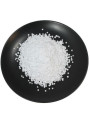
- Stearyl alcohol: The percentage is missing. Stearyl alcohol is a fatty alcohol used as a thickener, stabilizer, and emollient. It is more commonly found in conditioners than shampoos, especially clear shampoos, as it is oil-soluble and can cause turbidity. If you include it, the percentage would depend on its intended function (thickening, conditioning) and the overall formula structure.
pH Adjustment
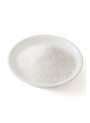
Adjusting the pH is crucial. As you noted, the formula will likely be alkaline due to the surfactants. Adjusting the pH to the acidic range (typically 5.0-6.5 for shampoo) using Citric Acid is correct. This helps:
- Close the hair cuticles, making hair smoother and shinier.
- Reduce static electricity and tangling.
- Improve the compatibility and performance of cationic conditioning agents.
- Ensure formula stability and preservation.
Gradually add a pre-dissolved solution of Citric Acid while monitoring the pH until the desired range is reached.
Overall Recommendations
- Cleansing: Decide if you need a "Sulfate-Free" formula. If so, replace SLES with milder surfactants like Sodium Lauroyl Methyl Isethionate or Lauryl Glucoside in combination with Decyl Glucoside and Cocamidopropyl Betaine. Adjust total surfactant concentration for desired foam and cleansing.
- Conditioning: Review the cationic polymer levels, especially Polyquaternium-44, and consider reducing them to avoid buildup. Evaluate the total oil content and its impact on clarity and rinseability; you might reduce the oils or rely more on water-soluble conditioning agents like PEG-75 Lanolin and Coco-Glucoside (and) Glyceryl Oleate.
- Testing: The best way to optimize the conditioning part is through small-scale testing, adjusting the levels of different conditioning agents to find the balance that gives the desired feel (slip, softness, detangling) without making the hair feel heavy or greasy.
- Stearyl Alcohol: If you add Stearyl alcohol, consider its impact on formula clarity and ensure it is properly incorporated into the formula (usually heated with the oil phase). Determine the percentage based on desired thickening and conditioning effect.
- pH Adjustment: Always adjust the final pH to 5.0-6.5 using Citric Acid.
Developing a good shampoo formula involves balancing cleansing efficacy, foam quality, conditioning benefits, stability, and cost. Your current formula has a good foundation, and fine-tuning the conditioning part based on performance testing will help you achieve your goal of soft, smooth, detangled hair.
Hope this detailed feedback is helpful!
Related Products Mentioned
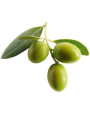
Olive Oil (Extra Virgin)
Glycerin (USP/Food Grade)
Cocamidopropyl Betaine
Cetrimonium Chloride (CTAC)
Lauryl Glucoside
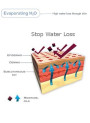
WaterLock™ (Polyquaternium-51)
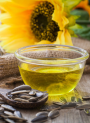
Sunflower Oil (High Omega, Refined)
Decyl Glucoside
Lanolin Water Soluble (PEG-75 Lanolin)
Stearyl Alcohol
Poly-Conditioner 47 (Polyquaternium-47)
Sodium Chloride (High Purity, 99.9%)
Citric Acid (Anhydrous, Natural)
GuarCat™ Clear