Shampoo Formulation Issue: Thinning After Adding Lanolin
Question
I am trying to make 20 liters of shampoo using the following formula:
- N70: 1 kg
- Thickener Powder: 1 kg
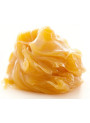
- Lanolin: 500 g
- Water: 17.5 liters
I mixed the N70 and Thickener Powder first, then gradually added water until it was all incorporated. At this stage, there was no problem; the mixture was cloudy and thick.
However, when I added the Lanolin, which I had dissolved in warm water beforehand, to the first mixture, it turned from cloudy and thick to yellow and clear. Adding more Thickener Powder did not make it thick again; it remained yellow and clear. The entire 20 liters were ruined.
I am new to making shampoo and am unsure what step I missed or did incorrectly.
Answer
Shampoo Thinning Issue When Adding Lanolin
Hello! I understand how frustrating it can be to encounter this issue when you're new to formulating.
The symptom of the mixture changing from cloudy and thick to yellow and clear, becoming thin, is caused by the lanolin interfering with the shampoo system.
In the formula you used:
- N70 (Sodium Laureth Sulfate) is the primary surfactant responsible for cleaning and creating foam.
- Thickener Powder (likely table salt, or Sodium Chloride) works to increase the viscosity of the shampoo by arranging the surfactant molecules (N70) into a structure that holds water effectively, making the shampoo thicker and cloudy white.
- Lanolin is a natural fat that is not water-soluble.
The problem that occurred is that the lanolin you used (which is likely standard Lanolin, not water-soluble) is an oil. When added to the shampoo base (N70 + thickener + water) which is primarily water-based and thickened by the N70/salt system, the oil-based lanolin interfered with and destroyed the structure of the surfactants that were creating the viscosity. This caused the system to lose its balance, resulting in the shampoo becoming thin and clear. Adding more thickener (salt) after the system was already disrupted could not restore the original viscosity.
Recommendations for Next Time:
If you wish to include lanolin in your shampoo formula, you should choose a water-soluble type of lanolin, such as Lanolin Water Soluble (PEG-75 Lanolin), which has been modified to mix well with water. Alternatively, you could consider synthetic alternatives like Lanofree™ (Synthetic Lanolin) or LipidSoft™ Lanolin, or a related derivative like Lanolin Alcohol, but these are typically oil-soluble and would still require an appropriate emulsifier to incorporate into a water-based shampoo.
Regarding thickeners, besides salt, there are other substances specifically designed for shampoo, such as EasyThick™ or ClearClean™, which might provide more stable results in some formulas. However, you still need to consider the other ingredients in the formula.
Don't be discouraged! Making mistakes like this when experimenting is a normal part of the learning process. Consider it a valuable experience in understanding different ingredients.
Related Products Mentioned

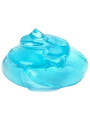
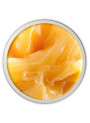
Lanofree™ (Synthetic Lanolin)
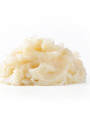
LipidSoft™ Lanolin
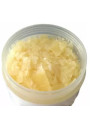
Lanolin Water Soluble (PEG-75 Lanolin)