Shampoo Formulation Issues: Oily Scalp, Ichthammol Dissolution, Clarity, and Ingredient Suitability
Question
I have several questions about formulating a shampoo, specifically regarding addressing oily scalp, ingredient compatibility, and texture:
- I'm using sulfate-free shampoos and find my scalp becomes oily faster compared to sulfate-based ones. How can I adjust the formula to reduce oiliness and extend the time between washes?
- How should Ichthammol be dissolved before adding it to a formula? Is it difficult to dissolve in water?
- Are Ichthammol and BioSulphur similar types of ingredients?
- Can I use Ichthammol 1% in the following formula? (Please also advise on the mixing procedure, especially for Ichthammol):
- EDTA 0.2%
- Zinc PCA 0.5%
- CTAC 1%
- Ichthammol 1%
- Glycerin 5%
- Coco Betaine 20%
- Lauryl Glucoside 10%
- Coco Foam 10%
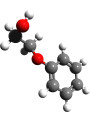
- Phenoxyethanol 1%
- Citric Acid (adjust pH)
- Fragrance 1%
- Water (to 100%)
- My shampoo formula is cloudy. What could be the cause, and how can I make it clear?
- Is using CTAC 1% alone in a shampoo formula sufficient for conditioning? Can it cause buildup on the hair over time, similar to GuarCat?
- In a previous formula, I used Panthenol 0.25%, Keratin 0.5%, and Biotin 0.5% for hair nourishment, but it caused scalp itchiness. Are these concentrations too high, or could other ingredients be the cause? The staff previously suggested observing the effect of changing individual ingredients.
- For ingredients without specified temperature limits on the product page, what is the general maximum temperature they can withstand during formulation?
Answer
Shampoo Formulation Guidance
Addressing Oily Scalp
If your scalp becomes oily quickly with sulfate-free shampoos compared to sulfate-based ones, it may be due to the milder cleansing action of sulfate-free surfactants. To potentially reduce oiliness and extend the time between washes, you can consider:
- Increasing Surfactant Concentration: The total percentage of your primary surfactants (Coco Betaine, Lauryl Glucoside, Coco Foam) can be increased. This will enhance the cleansing power, helping to remove more sebum.
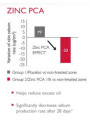
- Boosting Oil Control Ingredients: Increasing the concentration of ingredients like Zinc PCA (up to 1%) can help regulate sebum production on the scalp. Sulfur-based ingredients like Ichthammol also contribute to oil control. Ensure these are used at effective concentrations within recommended guidelines.
Dissolving Ichthammol
Ichthammol can be difficult to dissolve directly in water. The recommended method is to first pre-mix Ichthammol with Glycerin at a ratio of at least 5-10 parts Glycerin to 1 part Ichthammol. Gently warming this mixture can aid dissolution. Once a smooth blend is achieved, gradually add this mixture to the water phase of your formula with stirring.
Ichthammol vs. BioSulphur
Yes, Ichthammol (Ammonium Bituminosulfonate) and BioSulphur (Water Soluble Sulfur) are similar types of ingredients. They are both sulfur derivatives used in cosmetic formulations for their properties related to addressing oily skin/scalp, dandruff, and inflammation. They function in a similar manner.
Using Ichthammol 1% in Your Formula
Based on the formula you provided:
- EDTA 0.2%
- Zinc PCA 0.5%
- CTAC 1%
- Ichthammol 1%
- Glycerin 5%
- Coco Betaine 20%
- Lauryl Glucoside 10%
- Coco Foam 10%
- Phenoxyethanol 1%
- Citric Acid (adjust pH)
- Fragrance 1%
- Water (to 100%)
Yes, you can use Ichthammol at 1% in this formula. Remember to pre-mix the Ichthammol with Glycerin (using at least 5% Glycerin as you have in your formula) before adding it to the main water phase to ensure proper dispersion and avoid dissolution issues.
Cloudy Shampoo
Cloudiness in your shampoo is likely caused by the fragrance, which is typically oil-soluble and does not fully disperse in the water-based formula. To achieve a clear shampoo, you can:
- Heat and Mix with Surfactant: Gently heat your main surfactant blend (like Sulfate Free Shampoo Base) to 50-60°C and mix the fragrance into it until it is fully dissolved before combining with the water phase.
- Use a Solubilizer: If heating with the surfactant is not sufficient, incorporate a dedicated solubilizer like Flora Solve or Flora Solve Clear into your formula to properly disperse the fragrance.
CTAC Usage and Buildup
Cetrimonium Chloride (CTAC) is a cationic conditioning agent commonly used in shampoos and conditioners to reduce static, improve wet and dry combability, and provide a smooth feel. It works by depositing onto the negatively charged surface of the hair.
Using CTAC alone at 1% in a shampoo formula is within typical usage ranges; some products use it up to 2%. It can provide good conditioning properties.
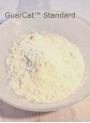
Regarding buildup, both cationic polymers like GuarCat and cationic surfactants like CTAC can potentially cause buildup on the hair over time, especially with frequent use or at higher concentrations. The perception of buildup can vary depending on the individual's hair type, water hardness, and the overall formulation. While GuarCat is often noted for its conditioning deposition, CTAC can also contribute. If you find that using CTAC alone at 1% provides sufficient slip and reduces tangling without excessive buildup or heaviness for your hair, it can be a suitable option. Patch testing on your scalp is always recommended when trying new ingredients or concentrations.
Hair Nourishment Ingredients and Itchiness
The concentrations of Panthenol (0.25%), Keratin (0.5%), and Biotin (0.5%) in your previous formula are generally within standard usage levels for hair care products and are intended to nourish the hair and scalp.
Scalp itchiness can be caused by various factors, including sensitivity to surfactants, preservatives, fragrances, or even some active ingredients. It's difficult to pinpoint the exact cause of your itchiness without isolating each ingredient. Since you've been experimenting with different formulas, try to note which ingredients were present or at higher concentrations in the formulas that caused itching. The staff's suggestion to observe the effect of changing individual ingredients is a good approach to identify potential irritants for your scalp. The concentrations of the nourishing ingredients themselves are unlikely to be the primary cause of irritation unless you have a specific sensitivity to one of them.
Heat Stability of Unspecified Ingredients
For cosmetic ingredients where specific temperature limits or instructions regarding heat are not explicitly provided on the product page, you can generally assume they are stable and can be incorporated into a formula that is gently heated up to approximately 80°C. However, it is always recommended to use the lowest effective temperature during formulation to help maintain ingredient integrity.
Related Products Mentioned
Glycerin (USP/Food Grade)
Citric Acid (Monohydrate, Natural)
Phenoxyethanol (Extra Pure)
Cocamidopropyl Betaine
Cetrimonium Chloride (CTAC)
Lauryl Glucoside
Disodium EDTA
GuarCat™ Standard (1,000-5,000mpas)
Zinc PCA

Dandruff-Guard™ (Piroctone Olamine)

Purified Water, TDS Limit 1PPM)

Phenoxyethanol SA (eq. Optiphen Plus)


Biotin Express™
Poly-Conditioner Pro (400 mPa.s)

Ichthammol (Ointment)

BioSulphur™ EQ (Water Soluble Sulfur)
GuarCat™ Weight-less
Citric Acid (Anhydrous, Natural)
GuarCat™ Clear
Phenoxyethanol P5