Shampoo Formulation Issues: Separation, Odor, Foaming, and Scalp Irritation
Question
Hello, I would like to ask for advice regarding a shampoo formula that I have encountered problems with after mixing. The issues are: 1. The shampoo separates and settles. 2. It has a strong odor and makes hair oily quickly. 3. When adding the pH adjuster (Citric Acid) at only 0.01%, it causes a long-lasting foaming reaction. I'm unsure if this is dangerous and it needs to be left overnight. 4. My mother used it as a hair mask for 10 minutes and felt warmth on her scalp. I have used it multiple times, twice a week, and recently experienced slight itchiness. I'm unsure if this is dangerous. The positive result is that I am satisfied as new baby hairs have grown. Could you please review the formula? I am considering removing Kerasyn to eliminate the pungent odor. Note: Mixing was done at room temperature. The shampoo formula components are: WaterLock 2%, Albumin ผงไข่ขาว 0.5%, Mild Preserved Eco™ (Preservative-Free) 1%, Kerasyn™ (L-Cysteine, 100%) 1%, Citric Acid (High Purity, Anhydrous) - ปรับ ph 0.01%, Silicone Hi-Cond 2%, Hair Collagen (Laurdimonium Hydroxypropyl Hydrolyzed Collagen) 2%, Cyclopentasiloxane (Low-Odor Cyclomethicone) 5%, Condi-B5™ (Panthenyl Hydroxypropyl Steardimonium Chloride) 1%, SugarThick™ (สร้างเนื้อเจลสำหรับสบู่/แชมพู) 3%, Poly-Conditioner Pro (400 mPa.s) 2%, SulFoam™ (Disodium Laureth Sulfosuccinate) 25%, Cocamidopropyl Betaine (Coco Betaine) 10%, Fragrance 1%, สารสกัดใบฝรั่ง+อัญชัน 10% (สารละลาย Propylene Glycol 1: 1.5-1:1), Purified Water เติมครบ 100%. Thank you very much.
Answer
Analysis and Recommendations for Your Shampoo Formula
It appears you have created a complex shampoo formula with several conditioning and active ingredients aimed at hair health. The problems you are encountering are likely due to incompatibilities between certain ingredients and potentially high concentrations of some components.
Here's a breakdown of each issue and how to address it:
1. Shampoo Separation and Sedimentation
- Likely Cause: The primary reason for separation and sedimentation in your formula is the incompatibility between the cationic ingredient Hair Collagen (Laurdimonium Hydroxypropyl Hydrolyzed Collagen) and the anionic surfactant SulFoam™ (Disodium Laureth Sulfosuccinate). Cationic and anionic ingredients often repel each other in a formula, leading to instability, separation, and precipitation.
- Other Potential Causes: High concentrations of ingredients that are not fully soluble or dispersible in the formula base, such as Albumin egg whites (though your usage rate is within the recommended range, it can still contribute if other stability issues exist) and potentially the สารสกัดใบฝรั่ง+อัญชัน (Guava + Butterfly Pea extracts). The high percentage of Cyclopentasiloxane (a silicone) might also be difficult to keep emulsified without a robust stabilization system.
- Recommendation: To fix the separation and sedimentation, the most critical step is to remove Hair Collagen (Laurdimonium Hydroxypropyl Hydrolyzed Collagen) from your formula. This ingredient is incompatible with anionic surfactants like SulFoam™, which is a major component of your cleansing system. If you wish to include a collagen ingredient, look for one that is compatible with anionic systems or reformulate your surfactant blend to be non-ionic or amphoteric (which would require significant changes). Also, consider reducing the amount of Cyclopentasiloxane or replacing it with a more water-compatible silicone or conditioning agent if stability issues persist.
2. Strong Odor and Hair Becoming Oily Quickly
- Likely Cause (Odor): The strong odor is almost certainly coming from Kerasyn™ (L-Cysteine). Its description explicitly mentions a characteristic sulfide odor.
- Likely Cause (Oily Hair): Hair feeling oily quickly is likely due to the total amount and type of conditioning agents in the formula. You have several conditioning ingredients: WaterLock™ (Polyquaternium-51), Silicone Hi-Cond, Cyclopentasiloxane, Condi-B5™ (Panthenyl Hydroxypropyl Steardimonium Chloride), and Hair Collagen. While these provide softness and conditioning, a high combined percentage, especially of silicones like Cyclopentasiloxane, can leave a residue that makes hair feel heavy or oily, particularly if the cleansing surfactants aren't effectively removing them.
- Recommendation: To eliminate the strong odor, remove Kerasyn™ (L-Cysteine) as you were considering. To address the oily hair issue, reduce the total concentration of conditioning agents. Specifically, consider significantly reducing or removing Cyclopentasiloxane as it is a heavier silicone and may contribute most to the oily feeling. The combination of WaterLock™, Silicone Hi-Cond, and Condi-B5™ should still provide sufficient conditioning.
3. Foaming Reaction When Adjusting pH with Citric Acid
- Likely Cause: The vigorous and long-lasting foaming when adding Citric Acid is likely a reaction occurring as the acid interacts with the surfactants, particularly Cocamidopropyl Betaine, which is sensitive to pH changes and contributes significantly to foam. Adding the acid too quickly or in a concentrated form can cause a rapid localized reaction.
- Recommendation: To avoid this, always add Citric Acid slowly and gradually. It is best to dissolve the required amount of Citric Acid in a small amount of purified water first and then add this diluted solution drop by drop to your shampoo base while stirring gently. Measure the pH as you go and stop when you reach your target pH (ideally between 5.5 and 6.5 for shampoo).
4. Scalp Heat Sensation and Itchiness
- Likely Cause: Scalp irritation can stem from several sources in your formula:
- Surfactant Concentration: While SulFoam™ and Cocamidopropyl Betaine are considered gentle, the total concentration of surfactants (35%) might still be too high for sensitive scalps, leading to dryness and irritation.
- pH Level: If the pH of the shampoo is too high (alkaline) or too low (acidic), it can irritate the scalp. Ensure your final pH is within the optimal range of 5.5-6.5.
- Kerasyn™ (L-Cysteine): As mentioned, this ingredient can have a strong odor and might also be irritating for some individuals.
- Extracts: Natural extracts like สารสกัดใบฝรั่ง+อัญชัน can sometimes cause sensitivity or allergic reactions in certain people, especially at higher concentrations (10%).
- Recommendation:
- Ensure the final pH of your shampoo is correctly adjusted to 5.5-6.5 using Citric Acid.
- Remove Kerasyn™ (L-Cysteine).
- If irritation persists after removing Kerasyn and adjusting pH, consider slightly reducing the total concentration of your surfactants (SulFoam™ and Cocamidopropyl Betaine) or replacing a portion of them with even milder options if necessary.
- Be mindful that the สารสกัดใบฝรั่ง+อัญชัน could be contributing to the irritation. If other changes don't resolve the issue, you might consider reducing their concentration or temporarily removing them to see if the scalp sensation improves.
Summary of Recommended Formula Adjustments:
- Remove Kerasyn™ (L-Cysteine) (ID 7056).
- Remove Hair Collagen (Laurdimonium Hydroxypropyl Hydrolyzed Collagen) (ID 7857).
- Reduce or remove Cyclopentasiloxane (ID 171).
- Adjust pH to 5.5-6.5 using Citric Acid (ID 30693), adding it slowly and diluted.
- Consider slightly reducing SulFoam™ (ID 1212) and Cocamidopropyl Betaine (ID 160) if irritation persists.
- Monitor the effect of สารสกัดใบฝรั่ง+อัญชัน and adjust if necessary.
By making these adjustments, particularly removing the incompatible and odor-causing ingredients and adjusting the conditioning levels and pH carefully, you should be able to create a more stable, pleasant, and gentle shampoo while retaining beneficial conditioning properties.
Related Products Mentioned
Cocamidopropyl Betaine
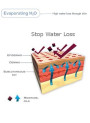
WaterLock™ (Polyquaternium-51)
Silicone Hi-Cond
Mild Preserved Eco™ (Preservative-Free)
Poly-Conditioner Pro (400 mPa.s)
Albumin egg whites
Kerasyn™ (L-Cysteine, 100%)