Shampoo Settling Issue: Formulation and Procedure
Question
I would like to inquire about the steps for making shampoo. The ingredients are:
water 52.8
guar cat 2
sugar thick 3
EDTA 0.2
trehalos 3
Maltooligosyl Glucoside 2
Baby Foam 4
sul foam 5
cocamidopopyl betain 16
Foaming Tea 8
aloe extract 4
The manufacturing steps I followed are:
- Mix water + guar cat + EDTA, blend for 15 minutes.
- Add Trehalose + maltooligosyl, blend until combined.
- Add Coco Betain, blend until combined.
- Add sul foam.
- Add Foaming Tea, blend until combined. The mixture turned dark brown and took about 10 minutes.
- Add Baby Foam, blend until dissolved, taking about 10 minutes.
- Add sugar thick.
- Add extracts.
Steps 1-7 used heat, approximately 70 degrees Celsius.
After letting it sit, settling occurred, like the cleansing agents grouped together in a layer at the bottom. I would like to know the correct procedure to prevent this settling. Thank you.
Answer
Shampoo Formulation Settling Issue: Revised Procedure
It appears your shampoo formulation is experiencing settling, where the cleansing agents separate and form a layer at the bottom. This is a common stability issue, often related to how the thickeners and surfactants interact during processing and cooling.
Based on your ingredients and procedure, the most likely cause is the order in which the thickener (Sugar Thick) is added relative to the surfactants, and the lack of a final pH adjustment step.
Here's a revised procedure designed to improve the stability and prevent settling:
Revised Manufacturing Steps:
- Water Phase Preparation: Heat the water to approximately 70-75°C. Add Disodium EDTA and mix until completely dissolved. Slowly add Guar Cat Clear while mixing continuously to ensure it hydrates fully without clumping. Maintain temperature and mix for at least 15-20 minutes.
- Add Humectants: Add Trehalose and Starch Care (Maltooligosyl Glucoside) to the heated water phase. Mix until dissolved.
- Dissolve Solid Surfactant: Add Baby Foam (Sodium Cocoyl Isethionate) to the heated mixture. Mix thoroughly at 70-75°C until it is completely dissolved. This step is crucial; ensure no solid particles remain.
- Add Liquid Surfactants: Add Sul Foam (Disodium Laureth Sulfosuccinate), Cocamidopropyl Betaine, and Foaming Tea (Natural Surfactant) to the heated mixture. Mix gently to combine, avoiding excessive foaming.
- Cooling and Thickening: Begin cooling the mixture while continuing to mix gently. When the temperature drops below 40-45°C (or the recommended temperature for your specific Sugar Thick product, which melts around 50-60°C), slowly add Sugar Thick (PEG-120 Methyl Glucose Dioleate). Mix gently but thoroughly. The viscosity should increase as the mixture cools and the thickener builds structure.
- Add Extracts and Sensitive Ingredients: Once the mixture has cooled to room temperature (below 30°C), add Aloe Vera Extract and any other temperature-sensitive ingredients (such as fragrance or preservative - a preservative is essential for product safety).
- Adjust pH: Check the pH of the final shampoo. For optimal stability and performance, especially with Guar Cat Clear, the pH should typically be between 5.0 and 6.5. Adjust the pH using a dilute solution of Citric Acid or Lactic Acid if necessary. Mix well after adjusting pH.
Key Improvements:
- Guar Cat Hydration: Ensuring Guar Cat is fully hydrated in the initial heated water phase.
- Complete SCI Dissolution: Emphasizing the complete dissolution of Baby Foam (Sodium Cocoyl Isethionate) at temperature.
- Sugar Thick Addition Timing: Adding Sugar Thick during the cooling phase allows it to build viscosity more effectively as the surfactant system stabilizes upon cooling.
- pH Adjustment: Including a critical step to adjust the final pH, which is vital for the stability and performance of ingredients like Guar Cat Clear and the overall formulation.
By following this revised procedure, you should achieve a more stable shampoo formulation without the issue of settling.
Related Products Mentioned
Cocamidopropyl Betaine
Disodium EDTA
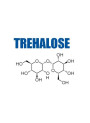
TreMoisture™ (Trehalose)
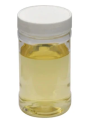
Foaming Tea (Natural Surfactant)
Starch Care™ (Maltooligosyl Glucoside)