Sheet Mask Essence Formulation for Pores, Redness, and Dark Spots
Question
I would like to formulate a sheet mask essence targeting pores, redness, and dark spots using the following ingredients:
- Safe-B3™ (Niacinamide)
- GlucoBright™ (Acetyl glucosamine)
- Retinal
- Vitamin B5 (Panthenol)
Could you provide guidance on how to formulate this essence, including recommended concentration ranges for each active, considerations for ingredient compatibility and stability, and the overall formulation process? I am aiming for a high concentration formula with good absorption, suitable for soaking a sheet mask. Please also advise on the suitability of Retinal for skin prone to redness and irritation.
Answer
Regarding your request for a sheet mask formula to reduce pores, redness, and dark spots using Safe-B3, GlucoBright, and Retinal:
A sheet mask essence is typically a thin serum or gel base designed to soak the mask sheet.
Here's a breakdown of the ingredients you requested and considerations:
- Safe-B3™ (Niacinamide) and GlucoBright™ (Acetyl glucosamine): These are excellent ingredients for addressing dark spots and improving skin tone. Safe-B3 also has benefits for strengthening the skin barrier, which can help reduce redness.
- Retinal: This is a potent ingredient effective for reducing pore appearance and treating dark spots. However, as the staff mentioned, Retinal can be irritating, especially on skin that is already red or sensitive. It is strongly recommended to only use Retinal when your skin is calm and not experiencing redness or irritation.
You mentioned wanting high concentration and good absorption. The optimal concentration for each ingredient depends on the specific product and your skin's tolerance. Good absorption is achieved through a well-formulated base.
To create a suitable sheet mask essence and address your concerns, you would typically need:
- Water Phase: Purified Water, Humectants (like Glycerin, Butylene Glycol) to hydrate the skin and the mask.
- Actives:
- Safe-B3™ (Niacinamide)
- GlucoBright™ (Acetyl glucosamine)
- Retinal (Use with caution, especially if skin is prone to redness/irritation. Add according to supplier instructions, often in the cool-down phase).
- Soothing/Anti-inflammatory Agents:
- Vitamin B5 (Panthenol): As suggested by staff, this helps strengthen the skin and reduce redness.
- Other soothing extracts or ingredients.
- Thickener: To create a light gel or serum consistency that can easily soak the mask sheet.
- Preservative: Essential to prevent microbial growth in the water-based formula.
- Optional: pH Adjuster (to ensure the formula is skin-compatible and actives are stable), Penetration Enhancers (can improve absorption but add complexity).
Basic Framework (Not a complete formula):
- Water (up to 100%)
- Humectants (e.g., Glycerin, Butylene Glycol)
- Safe-B3™ (Niacinamide) - Use within recommended range (e.g., 2-10%)
- GlucoBright™ (Acetyl glucosamine) - Use within recommended range
- Retinal - Use within recommended range (typically lower percentages than Niacinamide)
- Vitamin B5 (Panthenol)
- Soothing Agents
- Thickener
- Preservative
- pH Adjuster (if needed)
Important Considerations:
- Combining multiple strong actives like high concentration Niacinamide, Acetyl Glucosamine, and Retinal can increase the risk of irritation. Start with lower concentrations and patch test.
- Retinal is sensitive to light and air; ensure your packaging protects it.
- Always check the solubility and compatibility of ingredients.
- Ensure the final pH of the formula is suitable for skin (typically 4.5-6.0, but check specific ingredient requirements, especially for Retinal).
- For specific recommendations on pore reduction, please provide more details about your current skin condition (e.g., oily, dry, sensitive, type of pores).
This framework gives you an idea of the components needed. Developing a stable and effective formula requires careful measurement, mixing procedures, and stability testing.
Related Products Mentioned
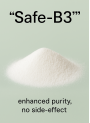
Safe-B3™ (Vitamin B3, Niacinamide)
GlucoBright™ (Acetyl Glucosamine)