Shelf Life and Storage of Homemade Oil-Based Scrub
Question
I made a homemade scrub using shea butter, evening primrose oil, grapeseed oil, and brown sugar. It doesn't contain any water or preservatives. What is its shelf life, how should I store it, and how can I prevent it from going rancid?
Answer
Shelf Life and Storage for Homemade Oil-Based Scrub
Regarding your homemade scrub made from shea butter, evening primrose oil, and grapeseed oil with brown sugar, and without preservatives:
Since your scrub is primarily composed of oils and fats with sugar (which acts as the scrub beads and is not a water source for microbial growth in this context), the main concern is not microbial spoilage but rather the oxidation and rancidity of the natural oils.
Storing the scrub in the refrigerator is highly recommended. This helps to significantly slow down the oxidation process that causes oils to go rancid, which is characterized by an unpleasant smell.
The shelf life of your scrub will generally be limited by the ingredient with the shortest shelf life among the natural oils you used (shea butter, evening primrose oil, grapeseed oil). Natural oils typically have a limited shelf life, especially when exposed to heat, light, and air.
To further extend the shelf life and protect against rancidity, you can add antioxidants to your formula. Common antioxidants suitable for oil-based products include Vitamin E (such as Tocopheryl Acetate or dl-alpha tocopherol) and Rosemary Oleoresin Extract (ROE). Adding these can help preserve the quality and prevent the oils from becoming rancid prematurely.
In summary, storing your oil-based scrub in the refrigerator is the best way to maintain its quality and extend its usability. Adding an antioxidant like Vitamin E or Rosemary Oleoresin Extract can provide additional protection against rancidity.
Related Products Mentioned
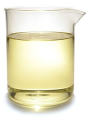
Vitamin E (Tocopheryl Acetate)
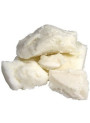
Shea Butter (Refined , Deodorised)

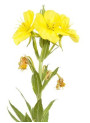
Vitamin E (dl-alpha tocopherol)