Shelf Life and Usability of Old Cosmetic Ingredients (2015-2016 Stock)
Question
I have some cosmetic ingredients purchased between 2015 and 2016, including Propylene Glycol, Ethoxydiglycol, Glycerin, Kaolin, Butylene Glycol, Dimethicone, Fractionated Coconut Oil, WaterLock (Polyquaternium-51), Lauryl Glucoside, Cocamidopropyl Betaine, SugarThick, and various powders. Some were stored in the refrigerator (WaterLock), while others were kept at room temperature. I've noticed different expiry dates (e.g., WaterLock showing 60 days vs. 24 months refrigerated). How can I determine if these ingredients are still usable, especially those that have passed their stated expiry date or were stored at room temperature for a long time?
Answer
Regarding the shelf life of your ingredients, it's understandable to be concerned when you see different expiry dates or have older stock.
Based on the information provided, for many common ingredients, you can visually inspect them to see if they are still usable, even if the stated expiry date has passed. If the ingredient looks completely normal (no changes in color, smell, texture, or separation), it is likely still good.
Specifically, ingredients like Propylene Glycol, Ethoxydiglycol, Glycerin, Kaolin, Butylene Glycol, Dimethicone, and Fractionated Coconut Oil are mentioned as having a very long shelf life, potentially 5 years or more if stored properly. Therefore, the items you purchased in 2015-2016, including those not stored in the refrigerator (like Propylene Glycol, Ethoxydiglycol, Glycerin, Kaolin, Butylene Glycol, Dimethicone, Fractionated Coconut Oil, and powders), are likely still in good condition if they pass a visual inspection.
For WaterLock (Polyquaternium-51), the 60-day expiry might refer to storage at room temperature or after opening, while the 'at least 24 months' with refrigeration (6-8°C) is the recommended long-term storage condition. For active ingredients like this, while visual inspection is helpful, following the recommended storage is important as degradation might not be easily visible.
For the other ingredients you mentioned (Lauryl Glucoside, Cocamidopropyl Betaine, SugarThick), the general rule of visual inspection applies. These types of ingredients (surfactants, thickeners) are generally quite stable.
In summary, most of the ingredients you have, particularly those listed as having a long shelf life, are likely still usable if they appear normal upon visual inspection. For active ingredients, proper storage according to recommendations is key.
Related Products Mentioned
Ethoxydiglycol (e.q. Transcutol)
Propylene Glycol (USP)
Glycerin (USP/Food Grade)
Cocamidopropyl Betaine
Fractionated Coconut Oil
Dimethicone (Medium/350, Low-Odor)

Lauryl Glucoside
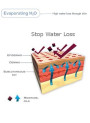
WaterLock™ (Polyquaternium-51)
Kaolin (China Clay, 200nm)